

The secret to the new Liverpool’s success: How Arne Slot transformed Jürgen Klopp's team


During Jürgen Klopp’s nine years at the helm, Liverpool returned to the elite clubs of Europe, winning the Champions League and Premier League. Many fans and experts feared that after his departure, the Merseysiders would face the same struggles as Manchester United post-Ferguson and Arsenal post-Wenger.
However, under Dutch coach Arne Slot, Liverpool are displaying impressive results: leading both the Premier League and Champions League.
Rather than completely overhauling the playing style Klopp developed, Slot has built upon it, adding a few fresh ideas.
- Read also: RANKING. Top 21 greatest African footballers of the 21st century according to Dailysports
CONTENT
- Strengthening the defence
- Tactical changes
- Flexibility in defensive line setup
- Optimization of energy expenditure
- New roles for players
Strengthening the defense
Despite having a potent attacking force, it is the defensive solidity that has been the cornerstone of Slot’s success. In 12 Premier League matches, the team has conceded just 8 goals and kept 6 clean sheets—the best record in the league. In the Champions League, the Reds have won all five of their matches, conceding just one goal.
The central defensive partnership of Virgil van Dijk and Ibrahima Konaté has formed a virtually impenetrable duo.
In the key clash against Arsenal, Konaté dominated defensively, winning 100% of his duels, making six interceptions, and losing just one battle.
Konaté’s defensive stats have noticeably improved: he averages 4.41 clearances per match, nearly double his figures from last season. His tackling efficiency is also impressive—80%, up from 68.1% under Klopp.
The reliable performances of van Dijk and Konaté have allowed goalkeeper Alisson Becker to feel secure in goal, and even when he was injured, backup goalkeeper Caoimhin Kelleher stepped in confidently.
Tactical changes
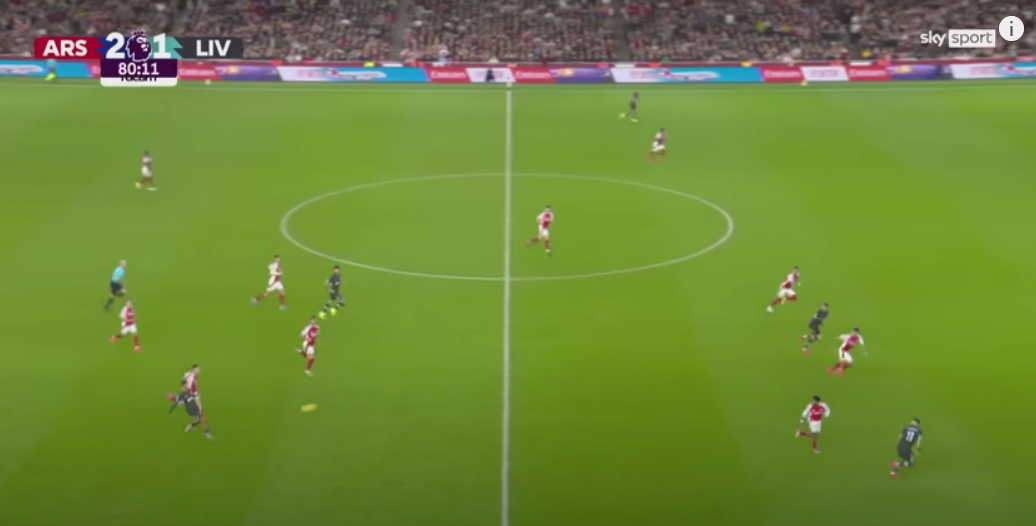
One of Slot’s key innovations has been the use of inverted full-backs. By having the full-backs drift toward the center of the field, it becomes easier for the team to control possession in midfield.
This positioning gives the defenders more options in attack. They can:
- Switch the play to the wings;
- Make diagonal passes to the far-sided winger;
- Create vertical cutting passes between the lines.
This tactic particularly suits Trent Alexander-Arnold, who can supply precise long passes to the forward line. A great example came in the match against Arsenal, when Trent, from the center, sliced through half of the Gunners' defense with a pass to Darwin Núñez, who then assisted Mohamed Salah.
Flexibility in defensive line setup
Liverpool have become more adaptable in their defensive approach depending on the opponent’s style. The primary formation is a 3-2-5, which is designed to provoke the opponent’s press.
Slot sets a trap: the Liverpool players intentionally allow the opponent to attempt pressing. Once the press is bypassed, Liverpool draw the pressing players out of the game, pulling their midfielders out of position and creating space for a rapid counter-attack.
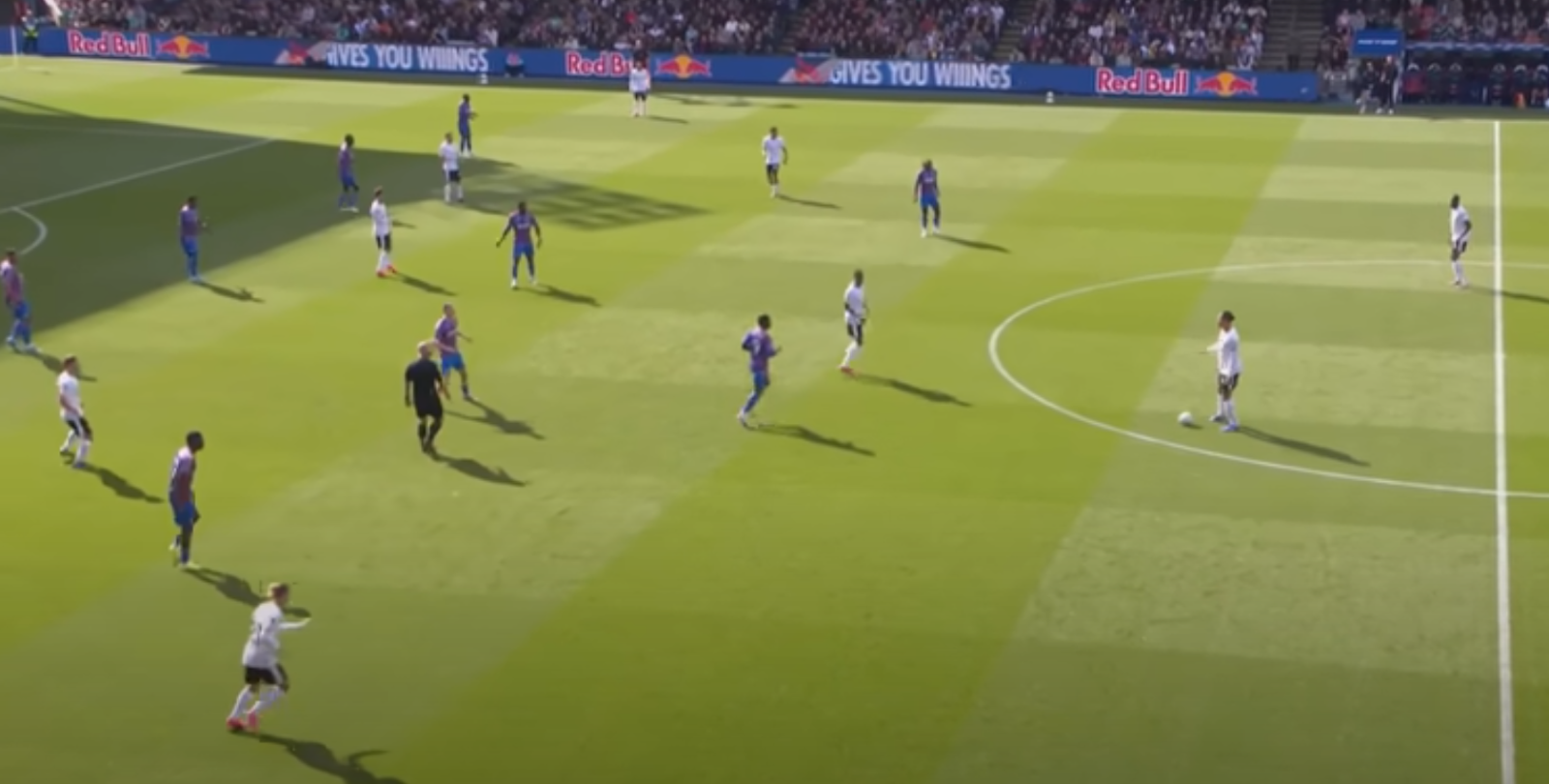
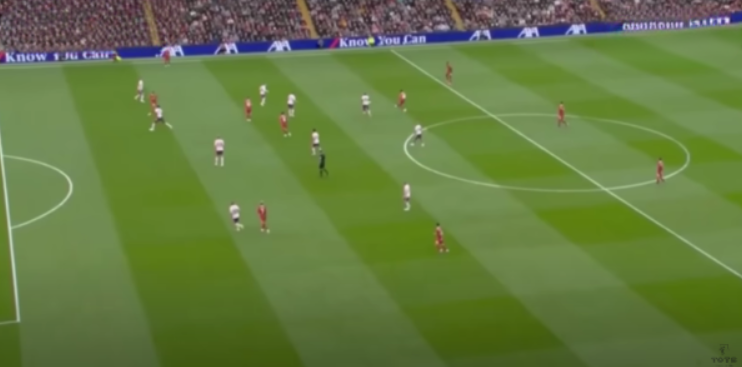
If the opposition doesn’t fall for this trap, Liverpool switch to a 3-1-6 formation, with one of the defensive midfielders pushing higher up to increase pressure in attack.
Optimization of energy expenditure
Unlike the high-intensity, high-speed approach under Klopp, Slot aims for a more resource-efficient use of his players’ energy.
- Read also: Not just Nottingham Forest. The 7 teams that surprised the most at the start of the 2024/25 season
High pressing, which became a hallmark of Klopp’s Liverpool, is now used less frequently. Under Klopp, Liverpool ranked first in the Premier League for defensive actions in the opponent’s half (15.8 per match), but now the team’s PPDA (passes allowed per defensive action) is 11.5.
Verticality in attack has also decreased: the team has dropped from 6th to 18th in the Premier League for ball progression speed. Nevertheless, when needed, Liverpool are still capable of explosive counter-attacks, as demonstrated in their games against Arsenal and Aston Villa.
New roles for players
Under Slot’s guidance, Ryan Gravenberch has rediscovered his potential. The 22-year-old Dutch midfielder has been deployed in the defensive midfield role, becoming Liverpool’s “Rodri.” He leads the team in interceptions and ranks second for tackles and passes in the Premier League.
Slot has also revitalized another Dutchman, Cody Gakpo. While Klopp used him centrally, Slot has deployed Gakpo on the wing, where he has made a greater impact. Five of Gakpo’s seven goals have come from his preferred wing, and he has provided two assists from that position.
Mohamed Salah, under the new coach, continues to score and has emerged as the team’s leader in creating goal-scoring opportunities.
Salah has been given more freedom on the right flank. When he receives the ball, one of his teammates (most often Alexander-Arnold) makes a run behind him, drawing defenders away and creating space for Salah to drive toward goal.
The match against Real Madrid showcased the resilience of Liverpool’s new style. Another important test awaits in the upcoming clash against Manchester City. This game will be a true indicator of the seriousness of Slot’s team’s title aspirations in the Premier League.
But even now, it’s clear that under Slot, Liverpool have not only maintained their strengths but also acquired new qualities that will help them compete for both the Premier League and the Champions League titles.
 Luis Torres
Dailysports's expert
Luis Torres
Dailysports's expert