


Trial Over Maradona's Death Exposes Major Flaws in Home Care
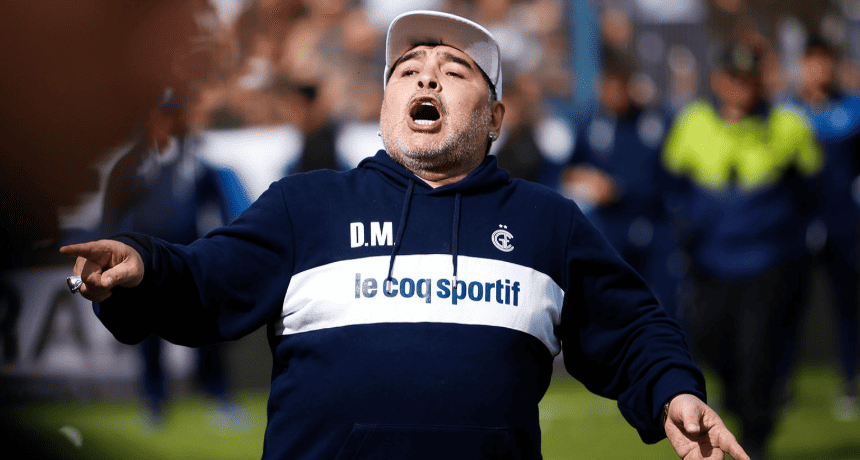
The ongoing trial investigating Diego Maradona’s death has shed new light on the conditions of his final days. According to AFP, Tuesday’s hearing focused on the differences between "home hospitalization" and "home care," with key testimony highlighting inconsistencies in the level of medical supervision provided to the football legend.
Maradona died on November 25, 2020, in his home in Tigre, Buenos Aires, from pulmonary edema linked to heart failure following brain surgery. During the session, employees from the health provider in charge of his care testified that Maradona’s personal physicians, who are now defendants in the case, requested to reduce the frequency of visits from a daily to a weekly basis—even before the home care officially began.
Enrique Barrio, the home care coordinator, stated that the company offers standard care services and not full home hospitalization, which entails more complex medical support. However, a prosecuting attorney presented evidence that the provider's website listed “home hospitalization” among its services. Barrio acknowledged that only basic equipment, such as a blood pressure monitor and a sanitary chair, was provided.
Psychiatrist Ana Waisman also testified, stating she was initially called for a consultation in early November, but Maradona refused to see her. She later remained in contact with Agustina Cosachov, the psychiatrist under investigation, and supported the prescribed psychiatric treatment. Waisman insisted that daily vital sign checks would have mitigated potential adverse effects from the medication.
Seven healthcare professionals, including doctors, nurses, a psychiatrist, and a psychologist, are being tried for "homicide with eventual intent"—a charge implying they knew their negligence could lead to death. A separate trial is set for an eighth defendant. Proceedings will continue on Thursday, with the list of witnesses yet to be announced.
 Facundo Trotta Arrieta
Dailysports's expert
Facundo Trotta Arrieta
Dailysports's expert



