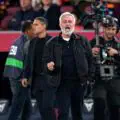
Fleetwood Town: the club that humiliated Arsenal and introduced Jamie Vardy to the world
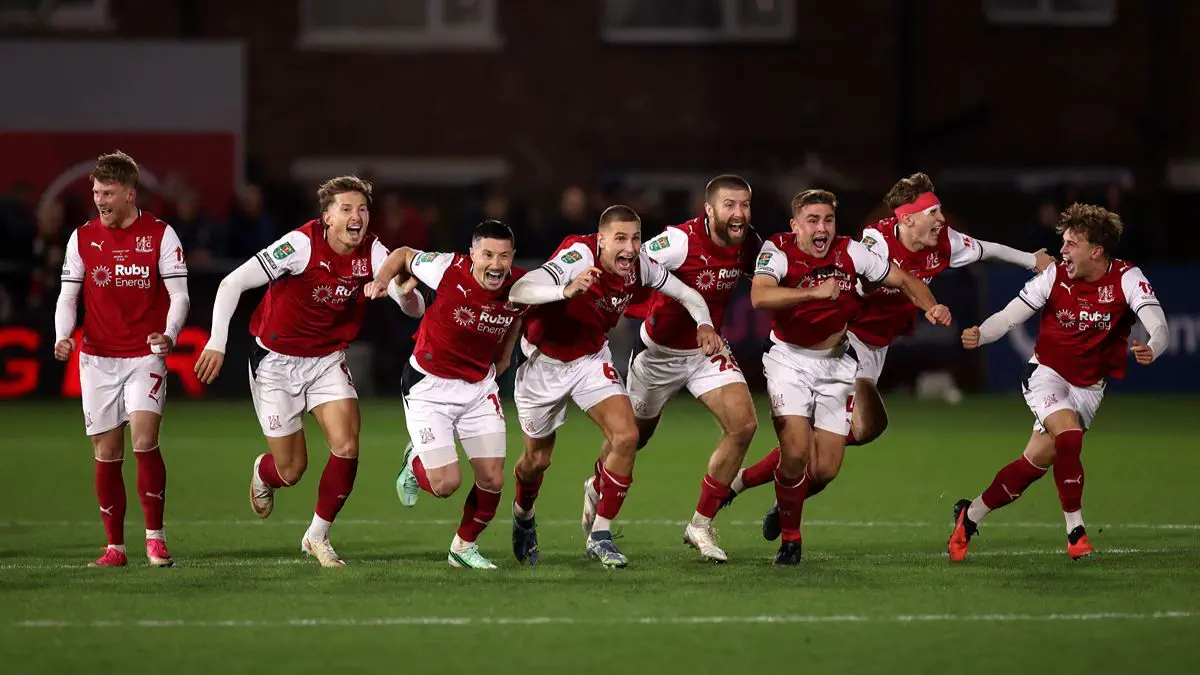


Back in 2004, Fleetwood were playing in the ninth tier of English football. Then came six promotions in a decade, Jamie Vardy, a Guinness World Record, a training ground opened by Alex Ferguson, two attempts to reach the Championship — and now one of the biggest shocks in League Cup history.
Arsenal have lost at Highbury again.
Only this time, it was not at the legendary London stadium the club left 20 years ago, but at a small ground in the seaside town of Fleetwood.
The fourth-tier side took the lead against the reigning English champions.
In the 21st minute, 20-year-old Aaron Lupalo-Bi, on loan from Fulham, powered past Arsenal's young defender Marli Salmon before beating Illan Meslier.
After the break, Viktor Gyökeres equalised, but the Londoners could not find a second goal. They had chances: Kai Havertz squandered several opportunities, while deep into stoppage time Fleetwood goalkeeper Jay Lynch produced two stunning saves from Ben White and Martin Ødegaard.
By then, Arsenal were down to ten men after 16-year-old Max Dowman was sent off for kicking out at Harrison Neal.
Then came the penalty shootout.
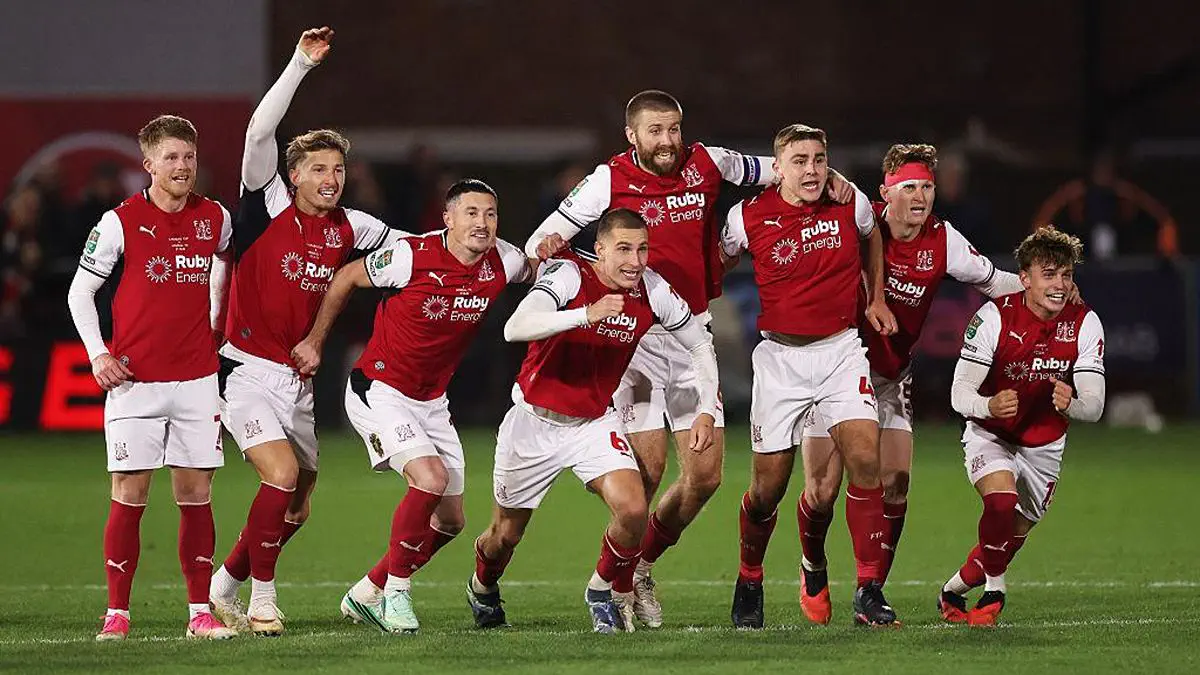
Lynch saved Bruno Guimarães' effort, the hosts converted all five of their penalties, and 19-year-old defender Conor Haughey scored the decisive spot-kick.
1-1. 5-3 on penalties.
On October 27, 2026, Fleetwood Town reached the League Cup quarter-finals for the first time in their history.
The teams were separated by 84 places in the English football pyramid before kick-off. But on this night, the difference no longer mattered.
It was particularly fitting that winning manager Matt Lawlor admitted after the game:
“I'll be honest, we never trained penalties. I'm not going to make up some story about how we prepared meticulously for them. The lads dealt with everything themselves. Our 19-year-old centre-back took the final kick. I was a little nervous when he walked towards the ball, but Conor was confident.”
For many supporters, this was their first introduction to the small Lancashire club.
But Fleetwood's story has long deserved a tale of its own.
- Also read: Was Vinícius killed and replaced? All the conspiracy theories surrounding the Real Madrid star
A different Highbury, four parking spaces and the Cod Army
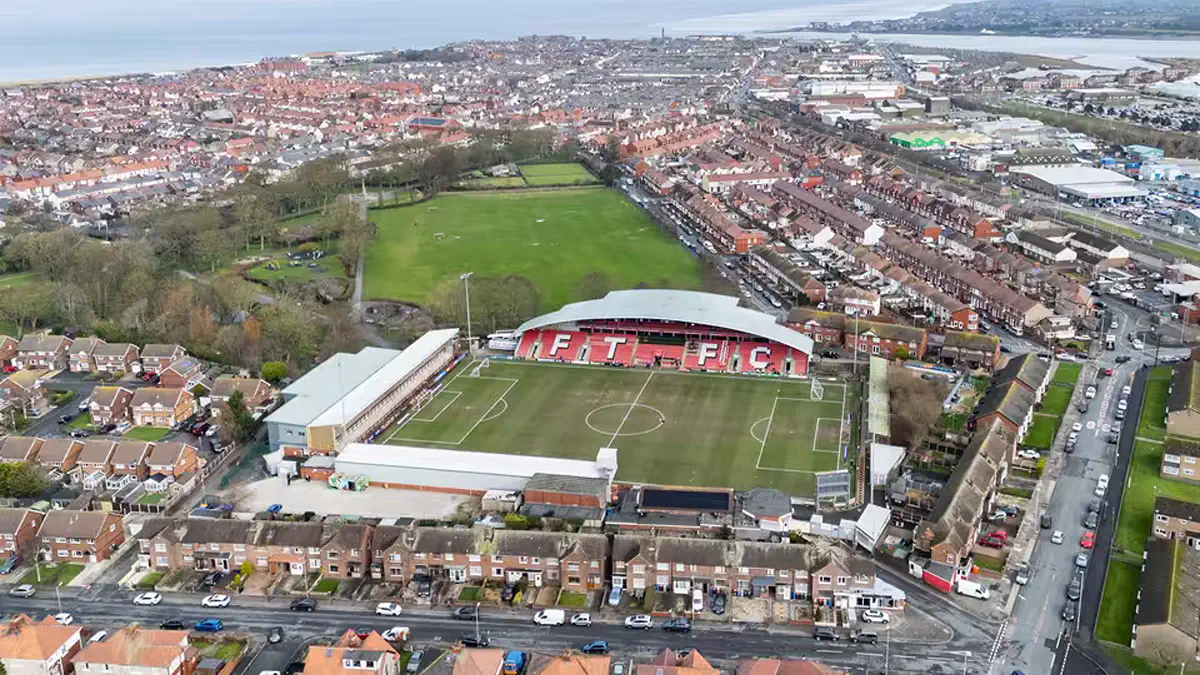
There was already a certain irony in the Fleetwood-Arsenal fixture.
Fleetwood's home ground is called Highbury — just like Arsenal's former stadium. There is no historical connection between the two, but the coincidence could hardly have been better.
The stadium, opened in 1939, holds 5,327 spectators. Roughly half of the stadium's capacity consists of seats. There are just four parking spaces beside it.
Before Arsenal's arrival, the British press even noted that representatives of the London giants would have to find alternative parking arrangements.
For the hosts, however, the League Cup draw proved to be an excellent marketing opportunity. When it became known that the reigning English champions would be coming to town, Fleetwood sold around 200 additional season tickets.
Supporters bought season-long tickets partly to guarantee their place at the biggest match of the year. And all of this is happening in a town with a population of roughly 26,000.
Fleetwood is located in Lancashire, on the coast of the Irish Sea. It was once an important fishing port, which is why the football club has such natural nicknames — The Fishermen and the Cod Army.
Their fiercest local rivals are Blackpool. Their meetings are known as the Fylde Coast derby.
There is another distinctive feature here. Because of the town's position on a peninsula, the weather can become a genuine test for visiting teams. The wind from the Irish Sea can be so unpredictable that, according to club legend Nathan Pond, a team can play the first half against the wind, come out for the second half — and find itself facing it again.
On the night of the Arsenal match, strong winds genuinely made life difficult for the players.
But how did a small club from a fishing town end up hosting the champions of England?
To answer that, we need to go back two decades.
In 2004, Fleetwood were in the ninth tier. Ten years later, they were in League One
Fleetwood's history is somewhat complicated, because football clubs in the town have disappeared and been reborn several times.
The team's roots date back to 1908, but its history cannot be described as uninterrupted. One previous version of the club folded in 1976. The next appeared a year later, but it too succumbed to financial difficulties.
The current incarnation was revived in 1997 under the name Fleetwood Wanderers. The team soon became Fleetwood Freeport, before returning to the traditional name Fleetwood Town in 2002.
The most important turning point came in 2004, when the club was taken over by local businessman Andy Pilley.
That season, Fleetwood competed in the North West Counties League Division One. It was the ninth level of the English football pyramid.
That was the beginning of an almost unbelievable rise.
In 2005, the club won its league. In 2006, it moved up again. In 2008, it won the Northern Premier League. In 2010, it reached the Conference Premier — the fifth tier — via the play-offs.
Then, in the 2011/12 season, Fleetwood won the Conference title, collecting 103 points and scoring 102 goals, and reached the professional Football League for the first time.
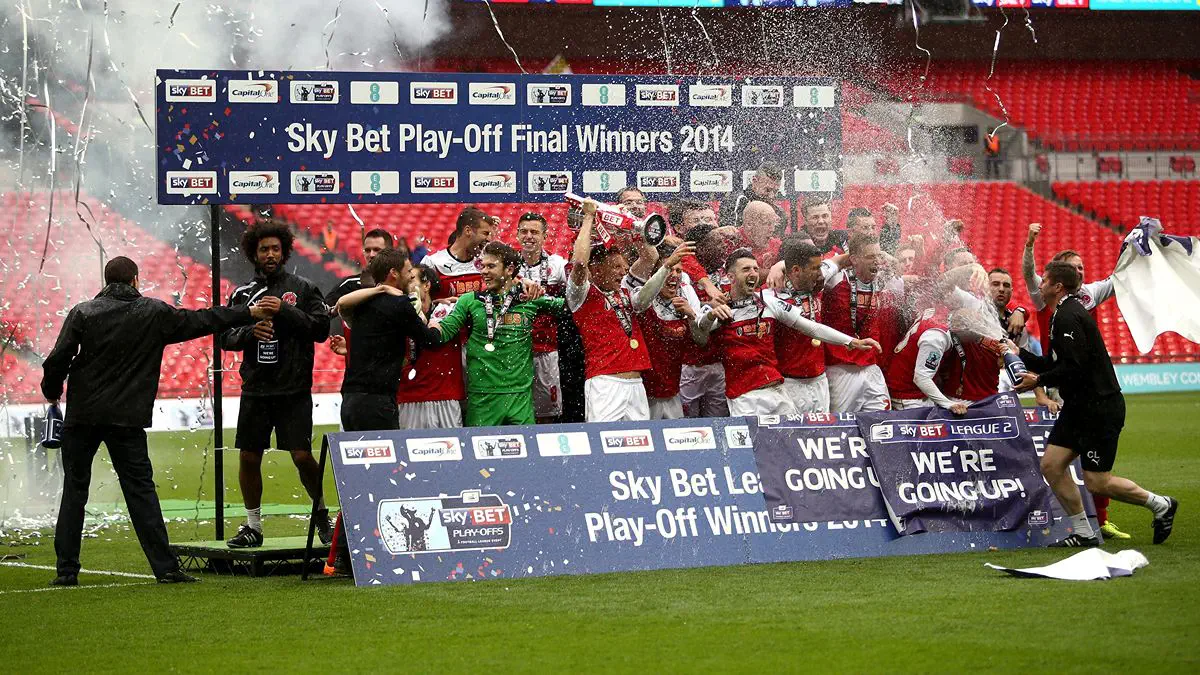
They did not stop there. On May 26, 2014, Fleetwood walked out at Wembley for the League Two play-off final against Burton. 1-0. Fleetwood reached League One — England's third tier — for the first time in their history.
Six promotions in ten seasons.
From regional football to being just one division away from the Championship.
For most clubs of that size, reaching the Football League at all would have been the defining achievement of a decade.
Fleetwood went one step further, securing promotion to League One.
The perfect symbol of that journey was a footballer who did not merely watch the rise — he went through it alongside the team.
Nathan Pond: from flour sacks to the Guinness World Records
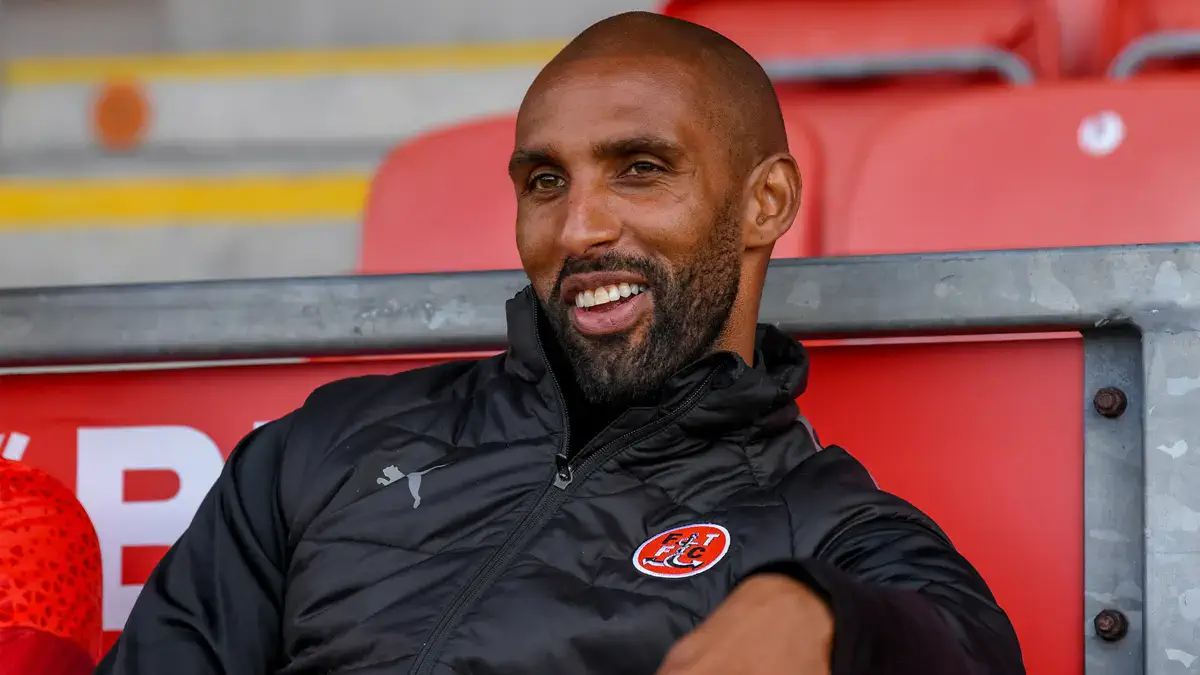
When Nathan Pond joined Fleetwood in 2003, he could hardly have imagined where the journey would end. At the time, he combined football with an ordinary job.
Pond worked as a driver's assistant for a company that delivered 25-kilogram sacks of flour and sugar to bakeries.
After away matches played in the evening, he would sometimes get home at around 2 a.m. By 4:30, he had to be up for work.
He did not become a full-time professional footballer until he was 26.
But Pond stayed at Fleetwood and climbed with them. From the ninth tier to the third.
On August 9, 2014, Pond led the team out wearing the captain's armband for its first League One match. Fleetwood beat Crewe 2-1, and the defender set a world record.
He became the footballer who had played for one club in the greatest number of divisions — seven.
The achievement was officially recognised by Guinness World Records. It is a unique story even by the standards of English football.
Usually, a team that rises so quickly changes its squad repeatedly. Players good enough for the ninth tier rarely meet the demands of the eighth, seventh and certainly not the third.
Pond remained valuable at every stage.
During 15 years at Fleetwood, he officially made 498 appearances. At one point, the footballer even had the number 498 tattooed on his body.
Now the story has come full circle.
In 2026, Pond became Fleetwood's assistant manager.
So the man who remembers the club from its days in the ninth tier was sitting on the bench on the night the reigning English champions arrived at the small Highbury.
Even Pond, despite his Guinness World Record, is often asked by strangers about another footballer first:
Did he play alongside Jamie Vardy?
Jamie Vardy's nine months that changed everything

Calling Fleetwood the club that literally discovered Vardy would be an exaggeration.
Before that, he had already spent time at Stocksbridge Park Steels and Halifax. He had previously been released by Sheffield Wednesday's academy.
But Fleetwood became the striker's final stop before the top level of professional football.
In August 2011, the club paid around £150,000 for the 24-year-old Vardy. For a player from that level, it was serious money.
It was at Fleetwood that Vardy received his first full professional contract. His salary was £850 a week.
It took only a few training sessions for Fleetwood's defenders to realise that this boy was too fast for non-league football.
Opponents needed even less time. In nine months, Vardy scored 34 goals in 42 matches in all competitions. His league record was even more remarkable — 31 goals in 36 appearances.
Fleetwood collected 103 points, scored 102 goals and reached the Football League for the first time in their history.
The striker also attracted attention with his performances in the FA Cup, including goals in victories over Wycombe and Yeovil.
Clubs interested in signing him emerged before the season was over. Blackpool offered £750,000 for Vardy. But Fleetwood wanted £1 million and the chance to keep the player on loan until the end of the campaign.
The club needed to complete its own mission — reaching the professional Football League. Vardy delivered.
In May 2012, Leicester paid an initial £1 million for him. At the time, it was a record transfer fee for a player from English non-league football. In nine months, the striker's value had risen approximately sevenfold.
The rest is known across the football world: the Premier League, England, and an incredible title triumph with Leicester in 2016. Vardy became one of the central figures in the most famous football fairy tale of the 21st century.
Fleetwood received more than just a million pounds. The club secured a permanent place in the story of one of the finest English strikers of his generation.
And, as it later emerged, they could have made considerably more from him.
How Arsenal could have earned Fleetwood £6.8 million ten years ago
The current shock has a wonderful backstory.
In the summer of 2016, immediately after Leicester's title triumph, Arsenal tried to sign Jamie Vardy. The London club were ready to trigger the striker's release clause — approximately £20 million.
While English football debated whether Vardy would leave Leicester, Fleetwood were following the negotiations with particular interest.
The reason was that, when the forward was sold to Leicester, the club had included a clause guaranteeing them a share of any future resale.
According to calculations published by the British press at the time, Vardy's move to Arsenal could have earned Fleetwood as much as £6.8 million.
For a team from a town of 26,000 people, that would have been astronomical money.
Andy Pilley tried to temper expectations, explaining that even such a sum would not transform the club's financial position: running a professional team is extremely expensive.
But in the end, Vardy turned Arsenal down and stayed at Leicester, signing a new contract.
So Fleetwood received none of the £6.8 million.
Ten years later, history produced an ironic sequel. The club that once could have made millions from Vardy's move to Arsenal knocked Arsenal out of the League Cup itself.
The Championship was within touching distance
After reaching League One, Fleetwood were not merely trying to survive in the third tier. The club dreamed of climbing higher.
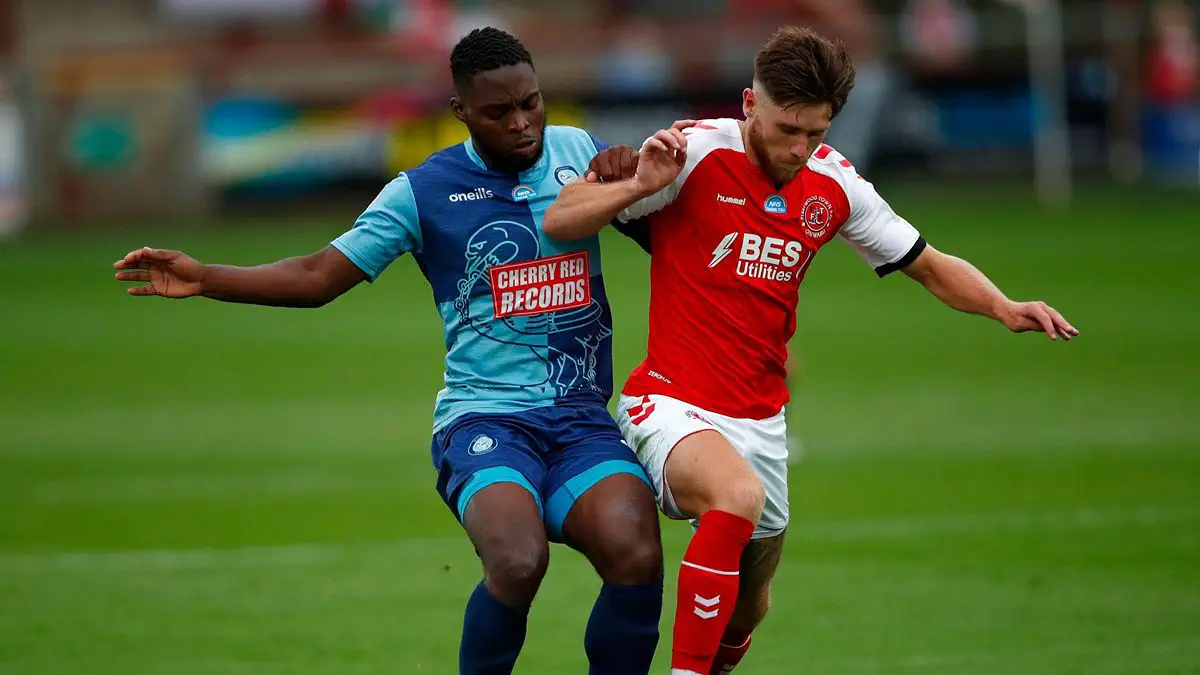
In the 2016/17 season, Uwe Rösler's team finished fourth and reached the Championship play-offs. In the semi-finals, Fleetwood lost to Bradford by just 1-0 on aggregate.
Three years later, they tried again. The 2019/20 season, which was shortened by the COVID-19 pandemic, saw Joey Barton's team finish sixth.
Another play-off. Another semi-final. This time, Wycombe won the tie 6-3 on aggregate. The Championship remained out of reach.
Still, the list of people who managed the small Lancashire club during that period looks surprisingly impressive:
Graham Alexander, Uwe Rösler, Joey Barton, Scott Brown, Charlie Adam.
Alexander took the team to League One, while Rösler and Barton brought them close to the Championship.
In 2023, under Brown, Fleetwood reached the FA Cup fifth round for the first time. They overcame QPR and Sheffield Wednesday before giving Burnley a real battle.
At Turf Moor, Fleetwood played almost the entire second half with ten men but held on to 0-0 until the final minutes. They conceded the only goal in the 90th minute.
All of this shows just how far the club had come since playing in England's ninth tier at the start of the century.
And the most interesting part is that Fleetwood were trying to build the foundations for long-term growth away from the pitch as well.
Alex Ferguson himself opened Fleetwood's training ground
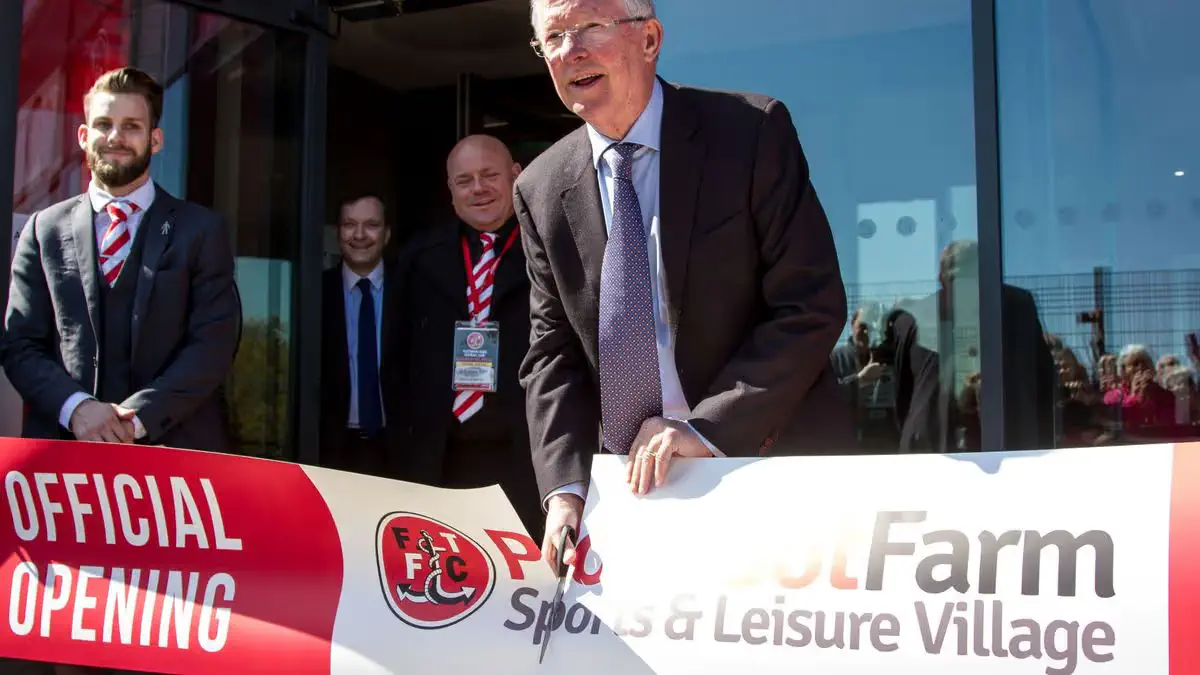
On April 20, 2016, Fleetwood officially opened Poolfoot Farm — a training complex in nearby Thornton.
The facility cost approximately £8 million to build.
And the ribbon-cutting ceremony was not entrusted to a local official or even a former club star.
Sir Alex Ferguson arrived. The legendary Manchester United manager did more than simply attend the ceremony. He was genuinely impressed by the complex, particularly the gym overlooking the training pitches.
The idea was that a player recovering from injury could watch his teammates train and gain extra motivation to return to the squad.
Ferguson even admitted that he would have liked to implement a similar solution at Manchester United's Carrington training ground during his time there.
He said he had expected to see a small academy matching the modest scale of the club, but instead found a fully fledged modern complex.
When it opened, Poolfoot Farm had 12 grass pitches, two artificial pitches, a gym, a fitness studio, player-recovery facilities, classrooms, a restaurant and other infrastructure.
For a team that had been outside the Football League only a few years earlier, it seemed almost extravagantly ambitious.
But what was even more remarkable was that the training ground was not sealed off from the town behind a high fence.
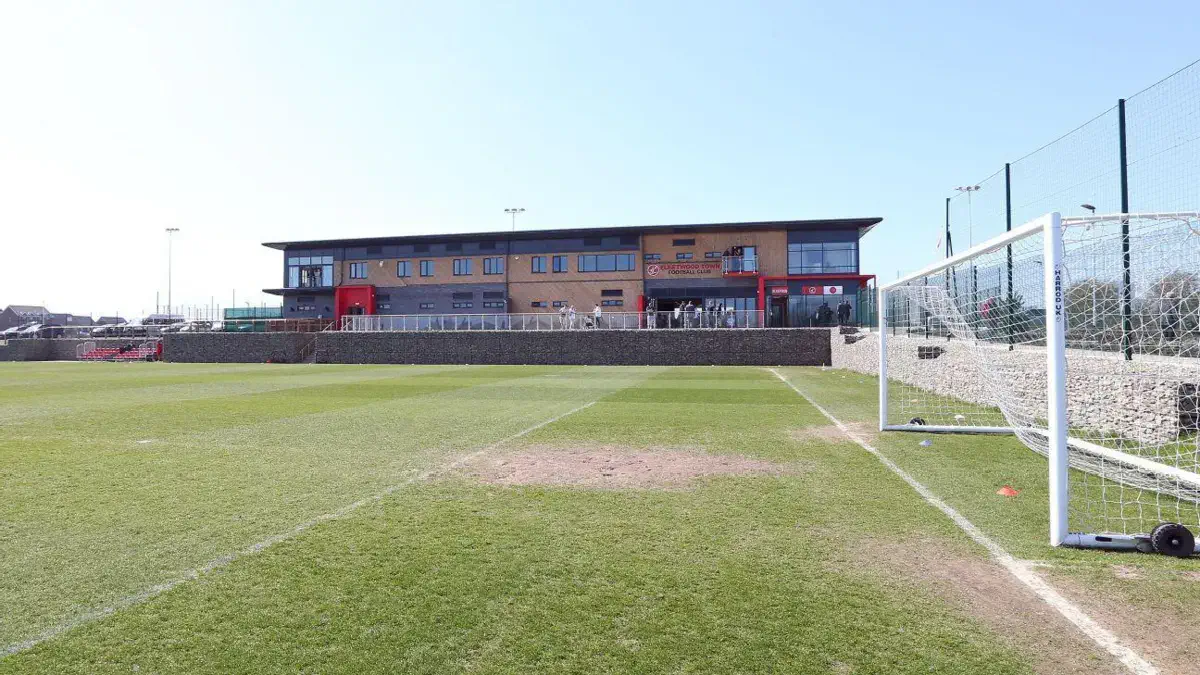
Poolfoot Farm is open to the local community. It hosts youth training sessions, amateur leagues and walking football, while the pitches can be hired.
Supporters can visit the café, watch the first-team training session and then chat with players or coaches.
According to Nathan Pond, this is a fundamental part of Fleetwood's identity: there should be no artificial barriers between the team and the town.
In elite football, players often live in a separate world. Here, everything is much simpler.
Local residents can encounter the players not only in the stands but also at the same complex where their children train.
And this is not merely a feel-good story about community connections.
The training infrastructure helped Fleetwood develop its own academy.
Among those to come through it was future Bournemouth defender James Hill. The sale of Josh Feeney to Aston Villa in 2021 also helped fund the academy's development, which later earned Category Two status.
After the Vardy story, the club continued to find and develop young players, albeit on a different scale.
The owner who built the club ended up in prison
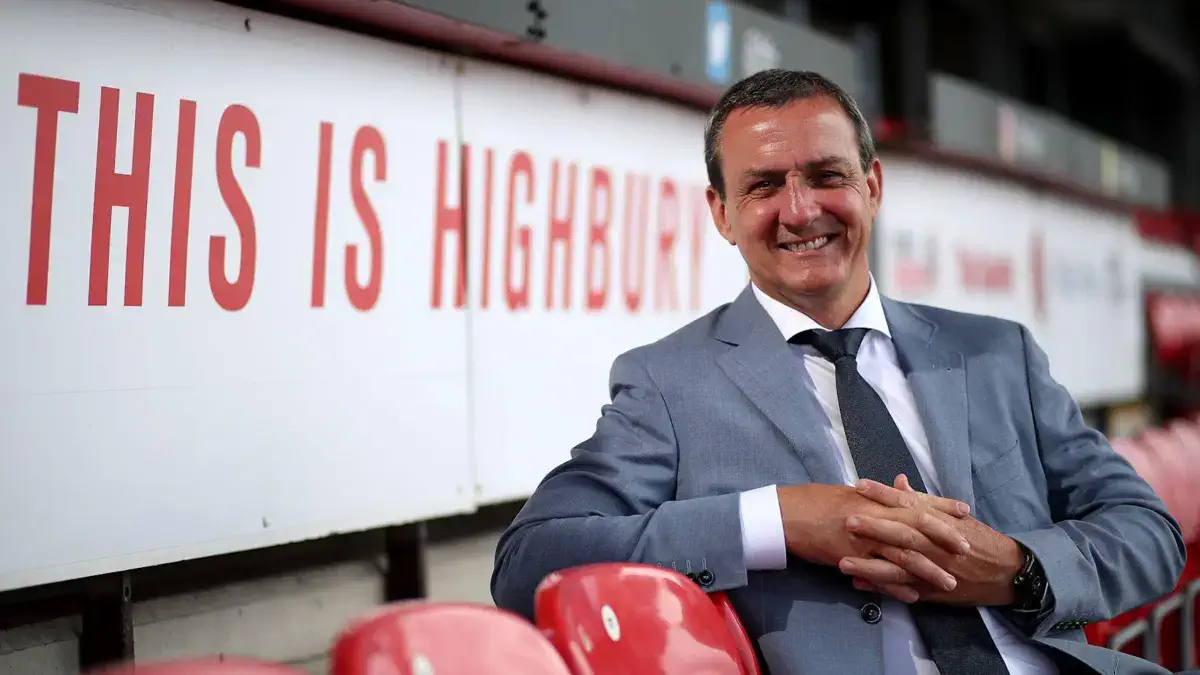
It would be easy to turn Fleetwood's story into a straightforward fairy tale about a small club that kept moving upward. But reality proved far more complicated.
The team's rapid development was inseparably linked to Andy Pilley.
He joined the club in 2004, invested significant sums in the team, stadium and infrastructure, and was effectively the project's main financial force.
It was under his leadership that Fleetwood rose from the ninth tier to League One.
But in 2023, Pilley was sentenced to 13 years in prison for large-scale fraud connected to his energy business.
The case involved the sale of energy contracts to small businesses and other offences, not the football club's activities.
For Fleetwood, however, it marked the end of an entire era. Pilley stepped down from running the team, and in May 2024, the EFL officially approved a change of control at the club.
Willows 96 Holdings acquired 98% of Fleetwood's shares, while its sole shareholder and the club's ultimate owner became Andy's son, Jamie Pilley.
At the same time, an era was ending on the pitch. In the 2023/24 season, Fleetwood finished 22nd and were relegated from League One.
Exactly ten years after their historic promotion at Wembley, the club returned to the fourth tier. Their first season after relegation brought only 14th place. The next ended in 15th.
The fairy tale of endless upward momentum was over.
That is why the victory over Arsenal should not be viewed as another chapter in uninterrupted growth.
Between the rise from the regional leagues and this historic night came failed play-off campaigns, managerial changes, a crisis surrounding the owner and relegation.
Today's Fleetwood are no longer a team confidently marching towards the Championship. They are a club trying to rediscover themselves.
Matt Lawlor: a local coach instead of big names
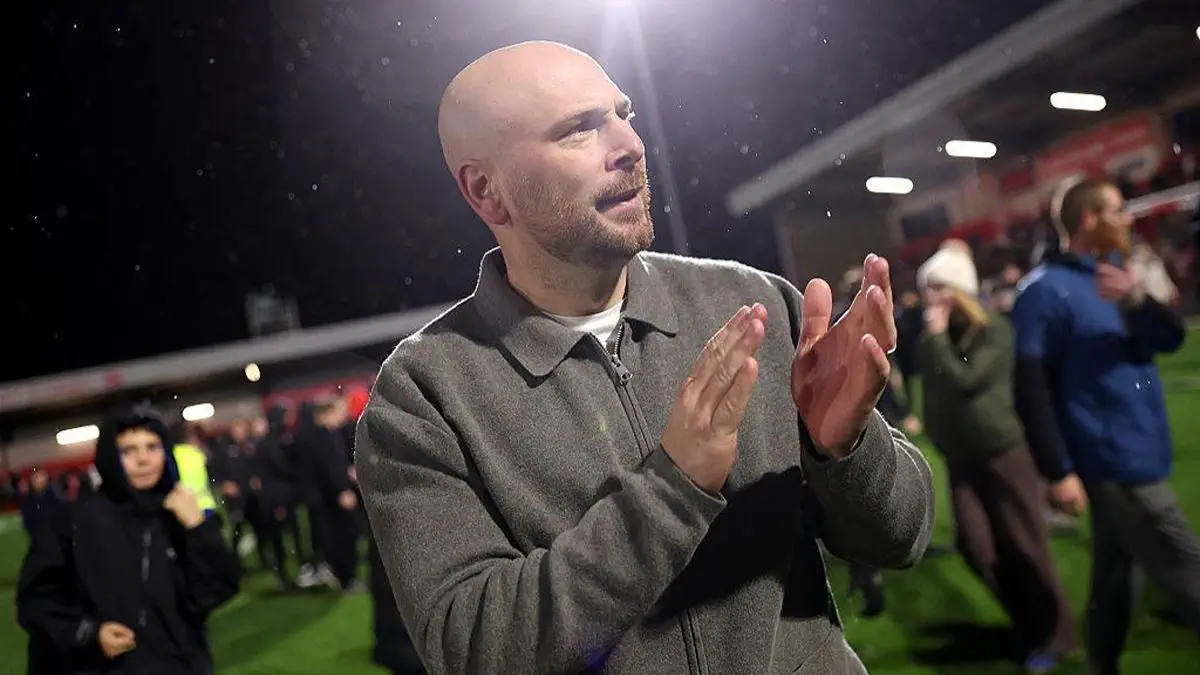
In January 2026, Matt Lawlor took temporary charge of Fleetwood's first team.
Against the backdrop of Barton, Brown, Rösler and Adam, the name meant almost nothing to the wider football public.
And that is precisely why it suits the modern Fleetwood. Lawlor is a local man who spent most of his playing career in non-league football, including a spell with Bamber Bridge.
He later worked for the Manchester United Foundation before joining Fleetwood in 2019 as a youth coach.
Gradually, he progressed through the club's system, working on the development of young players and coaches. He also twice took temporary charge of Irish side Waterford — a team that belonged to the same football structure.
In January 2026, Lawlor was handed Fleetwood's first team.
After an eight-match unbeaten run, he signed a permanent contract through to the summer of 2028 in March.
His assistants became Mark Yeates and that same Nathan Pond. It was a highly symbolic story.
After years in which Fleetwood had brought in famous former players, their biggest cup shock was masterminded by a coaching staff with deep, longstanding ties to the club itself.
There has been no miracle in the league — at least not yet. After 13 games of the 2026/27 season, Fleetwood have three wins, five draws, five defeats and 14 points. They sit just 18th in League Two.
Incidentally, before facing Arsenal, the team had won just one of its previous eight league matches.
In the League Cup, though, everything came together differently.
Four cup matches that turned the season upside down
Fleetwood's cup run began back in August. In the first round, they beat Chesterfield 1-0. Then they thrashed Shrewsbury 4-0. In the third round, they eliminated Championship side Sheffield United 1-0. Fleetwood did not concede a single goal in any of the three matches.
Then the draw handed them Arsenal. Everyone at the club understood: this could be the biggest home fixture in their entire history.
A special atmosphere was prepared at the small Highbury. Before kick-off, red smoke from pyrotechnics rose above the pitch.
Then, just two minutes in, the drone appeared. Even the opening of the match was nothing like anyone had planned.
But once play resumed, Fleetwood were not intimidated by the champions of England.
The hosts knew they could not compete with Arsenal in possession or the number of chances created.
The Londoners had almost 80% of the ball and registered 26 shots.
Fleetwood's players defended patiently, closed down space, won their battles and waited for their opportunities.
After the match, Lawlor explained that the team had no intention of pretending it could outplay the country's best opponent at their own game. They needed to restrict space, deny Arsenal comfortable options and withstand the pressure.
That is exactly what his players did. And nobody missed in the shootout.
History had been made. The last time a fourth-tier club knocked the reigning English champions out of a domestic cup competition was 34 years ago, when Wrexham defeated Arsenal in the 1992 FA Cup.
After the victory, Lawlor said he still could not believe what had happened.
Then he immediately reminded his players of reality: their next league match awaited on Saturday. Ordinary League Two had not gone anywhere.
Fleetwood simply now have a night that will be remembered far longer than any routine result in the fourth tier.
This is Fleetwood
English football's biggest clubs have stadiums holding 60,000 or 70,000 people. They have global fan bases, £100 million transfers and billion-pound television contracts.
Fleetwood have a town of around 26,000 people, a 5,300-capacity stadium, four parking spaces and an Irish Sea wind that can somehow blow against you in both halves.
But they also have something else. In 2004, the club played in the ninth tier. Ten years later, they were in the third.
Nathan Pond climbed seven divisions with them and entered the Guinness World Records.
Jamie Vardy spent just nine months here, but it was from Fleetwood that he left for Leicester for a record £1 million, eventually becoming one of the symbols of the most famous football fairy tale of the modern era.
Alex Ferguson opened the club's training ground. Fleetwood came within one play-off of the Championship twice, then endured the owner's conviction, relegation and two mediocre seasons in League Two.
And on October 27, 2026, the small Highbury welcomed the reigning English champions.
The match began with a mysterious drone and ended with a 19-year-old defender scoring the decisive penalty against Arsenal.
A few minutes later, the pitch was filled with jubilant supporters.
For a club whose entire modern history has been about repeatedly ending up where nobody expected to see it, it would be difficult to imagine a more symbolic night.
 Steven Perez
Dailysports's expert