What if Manchester United are relegated? 10 devastating consequences — from star exits to bankruptcy
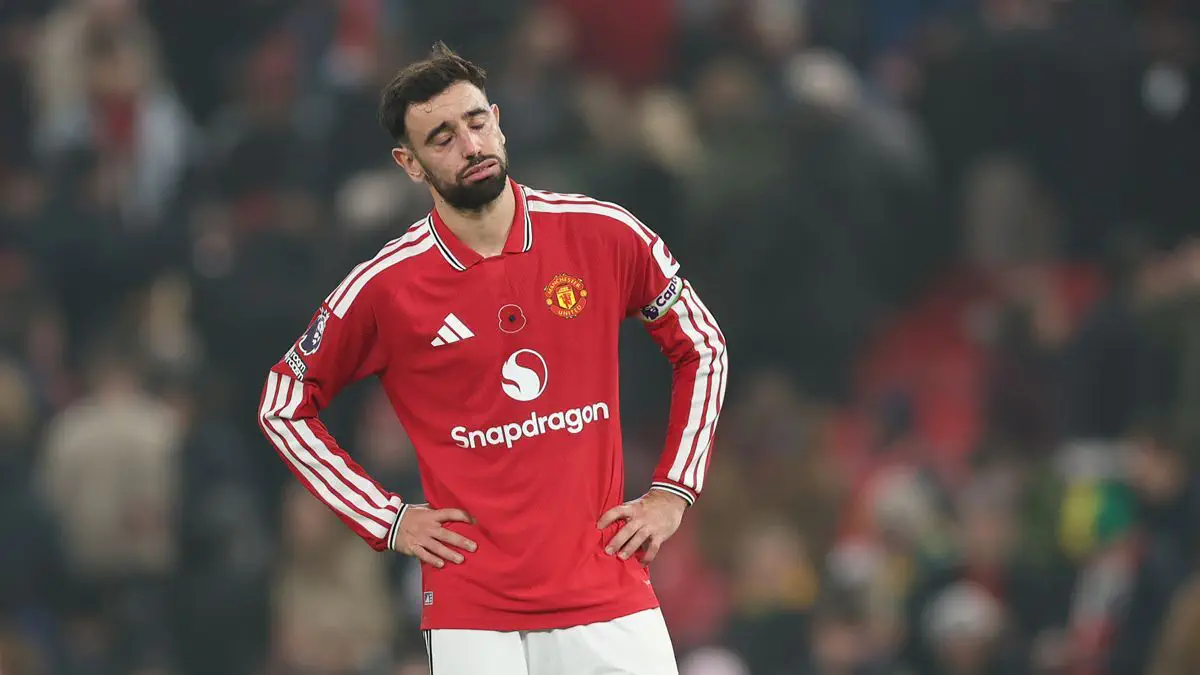
Manchester United have slipped into the Premier League relegation zone, Michael Carrick has already been sacked, and Mauricio Pochettino has been handed an extraordinarily difficult task. If the Argentine fails to save the team, the consequences could be catastrophic: from losing hundreds of millions of pounds to mass layoffs and the collapse of the club’s long-term plans.
Picture the 2027/28 Championship season. Manchester United travel to Bristol City, Preston or Millwall. Instead of battling for the Champions League, they are scrapping for a place in the play-offs for promotion to the Premier League. Instead of the Manchester derby, they are facing teams against whom the Red Devils might recently have fielded a reserve side in the League Cup.
Does it sound like a football dystopia? Yet just a few months ago, hardly anyone could have imagined that the 20-time English champions would seriously be facing the threat of relegation.
After ten rounds of the 2026/27 season, the Red Devils are 18th with just eight points and one win. The team have conceded 19 goals, and the 4-4 draw with Aston Villa was the final straw for the club’s hierarchy. Michael Carrick was sacked, with Mauricio Pochettino taking over.
The Argentine was not even given time to get to know the team in peace. He makes his debut against Liverpool at Anfield on November 22.
There is, of course, still a long way to go before the end of the season. Man Utd have enough quality players to climb out of danger. But history is full of examples of famous clubs proving powerless in the face of a prolonged crisis.
Opta’s supercomputer has already put Man Utd’s chances of relegation at 21.48%. In other words, the numbers put one of the richest clubs on the planet in the same bracket as Ipswich, Fulham and Nottingham Forest.
The last time United were relegated from the top flight of English football was in 1974. The Red Devils were back the following season. But modern football is a very different business, where one bad season can trigger a financial catastrophe.
We look at ten potential consequences facing Manchester United if the worst-case scenario becomes reality.
1. A mass star exodus for next to nothing: a fire sale the likes of which Europe has never seen
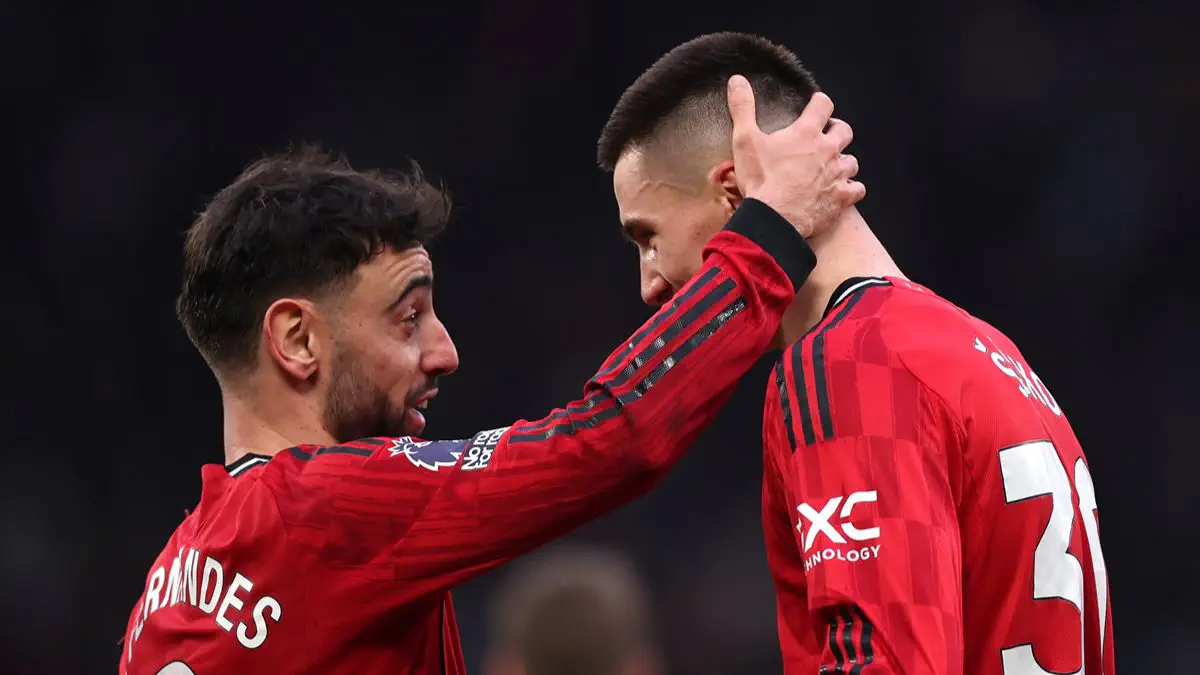
The current Manchester United squad would almost certainly be the first casualty of relegation.
It is hard to imagine Bruno Fernandes, who is used to playing at the highest level, relishing the prospect of spending an entire season in the Championship. The Portuguese is already 32, and a football career does not last forever. Is he ready to sacrifice one of the last seasons of his peak years in a bid to get Man Utd back into the elite?
The situation with the young stars is even more intriguing.
Benjamin Sesko, Leny Yoro, Kobbie Mainoo and other talented players could find themselves facing a choice: stay and risk their development, or continue their careers at a club guaranteed to compete at the highest level.
Bryan Mbeumo, Matheus Cunha and other high-priced players could also attract rival clubs if United have to cut their wage bill.
And the worst part for the club would be the terms of any potential sales.
Normally, Man Utd can demand huge fees for their players. But after relegation, buyers will know full well that the Red Devils need money and that keeping a host of high-earning stars in the second tier would make little financial sense.
The result could be a paradoxical situation: United have spent hundreds of millions building a squad, only to be forced to sell it off at a significant discount after relegation.
2. Transfer disaster: even mid-table Premier League players could turn Man Utd down
Picture a conversation between Manchester United’s sporting director and the agent of a promising striker.
— We want to sign your client. We have a glorious history, a huge stadium and millions of fans.
— Great. Which division do you play in?
— The Championship.
And that could be the end of the conversation.
For decades, Man Utd have attracted players not just with their wages, but with the chance to compete in the best tournaments, fight for trophies and build their own brand.
After relegation, everything would change.
A promising player with offers from Brighton, Bournemouth or Fulham could well choose one of them instead. Simply because those clubs would offer him Premier League football.
Of course, Manchester United would remain a huge brand and could tempt new signings with high wages. But that would create another problem: can a club that has just lost a significant chunk of its income afford to overpay players?
On top of that, selling clubs would know the Red Devils were desperate to strengthen their squad and return to the Premier League immediately, and could demand even more money.
A vicious circle would set in. Getting back to the Premier League requires top players. But top players do not want to join a club playing in the Championship.
And if United’s main problem used to be overpaying for transfers, after relegation it could get even worse: even money would not guarantee that a player agrees to move to Old Trafford.
3. Financial earthquake: the club risks losing more than £100 million
Football stopped being just a game a long time ago. Especially when it comes to Manchester United.
In the financial year ending June 30, 2026, the Red Devils generated a record £677.6 million in revenue. Of that, £206.8 million came from broadcasting income.
That figure alone shows just how painful relegation could be.
Premier League TV rights are worth enormous sums thanks to international interest. The Premier League is watched around the world, and clubs receive a significant share of their income through the central distribution of funds.
The financial reality in the Championship is completely different.
Yes, clubs relegated from the Premier League receive special compensation payments known as parachute payments. They help cushion the financial blow. Under the current model, those payments gradually decrease over the following seasons.
But for a club whose business is built around revenues in the hundreds of millions, that safety net may not be enough.
Broadcasting income would fall. Sponsorship bonuses would be at risk. The usual prospects of earning major prize money for playing in the Premier League and qualifying for European competitions would disappear.
The overall financial hit could potentially run to hundreds of millions of pounds, especially if the club were to spend several seasons in the Championship. The exact figure would depend on commercial deals, expenses and the team’s results.
And if Man Utd fail to return to the elite at the first attempt, things would get worse.
Then the question would no longer be how many millions to spend on a new striker, but how to survive.
4. Sponsorship nightmare: Adidas could halve its payments!
One of the most frightening consequences of relegation — and this is no longer just speculation.
Manchester United’s financial documents contain a clause that shows just how costly an absence from the Premier League could be.
Adidas has the right to cut the club’s relevant annual payments by 50% if the men’s team are not playing in the Premier League.
What is more, the German sportswear manufacturer could terminate the agreement, giving a full season’s notice after United are relegated.
This is one of the club’s most important commercial partnerships. In 2023, the two sides agreed to extend their collaboration for ten years, with £900 million in guaranteed payments over the period, subject to contractual adjustments.
Now imagine United playing in the Championship while Adidas exercises its contractual option to cut its funding.
That could mean losing tens of millions of pounds from a single contract alone!
The deal also provides for a separate £10 million reduction in payments for every season without Champions League football, starting with the 2025/26 campaign.
But Adidas is only part of the club’s vast commercial portfolio.
Snapdragon is advertised on Man Utd’s shirts, and the club works with numerous global partners. In the 2025/26 financial year, the Red Devils’ total commercial revenue stood at £317.3 million.
It would be much harder for the club to demand the same sums in future negotiations. Global corporations do not pay just for the Manchester United logo. They are buying access to the vast audience of the world’s most popular football league.
And the Championship cannot offer them the same advertising value.
5. Debt trap: could Manchester United be on the brink of bankruptcy?
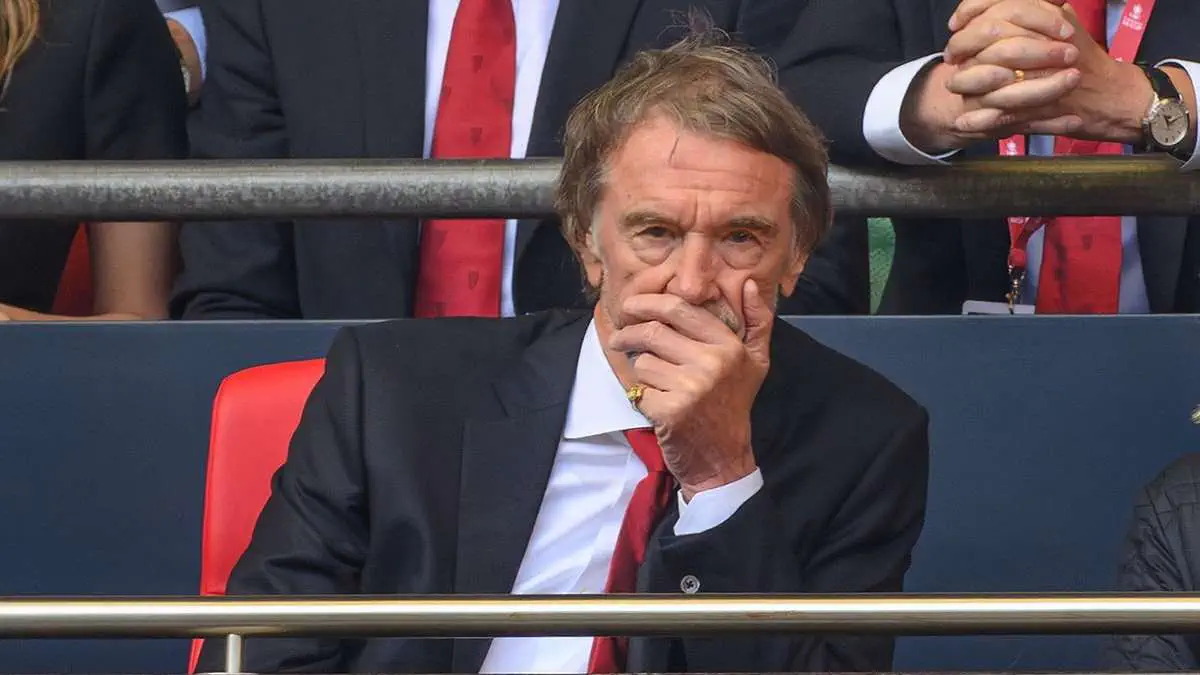
Now for the scariest part of this story.
According to the club group’s official financial statements, total borrowings stood at approximately £689 million as of June 30, 2026.
Meanwhile, the company had only around £67.2 million in cash and cash equivalents.
Of course, it would be wrong to compare just those two figures and declare the club bankrupt. Man Utd still have valuable assets, huge commercial opportunities and access to financing.
But debt obligations do not disappear after relegation.
In the 2025/26 financial year, the Red Devils paid £38.9 million in interest. The club’s credit agreements also require it to meet certain financial benchmarks.
In particular, one key clause requires the club to maintain adjusted EBITDA of at least £125 million over a specified 12-month period. Certain exceptions are provided for, including ones related to non-participation in the Champions League.
The club met these requirements in the 2025/26 financial year.
But what happens if revenue drops sharply?
In the worst-case scenario, United could be forced to negotiate with creditors, sell players, cut costs or raise additional capital.
Relegation alone would not mean immediate bankruptcy. But if the team were stuck in the Championship for several years while continuing to service huge debts, the risks could become far more serious.
Imagine the headline: “Manchester United seeks funding to avoid bankruptcy”.
Until recently, even the boldest fantasies of rival fans could not have imagined such a prospect.
6. Goodbye, new Old Trafford? The 100,000-seat stadium project would be at risk
Jim Ratcliffe dreams of an arena that would rank among the greatest stadiums in the world.
Manchester United plan to build a new stadium with a capacity of 100,000 near the current Old Trafford.
The project is expected to cost more than £2 billion and become the centrepiece of a major regeneration of the surrounding area. The club has already started investing in making it happen.
In 2026, United announced that they had acquired most of the land they needed. One of the key plots cost £63.5 million.
But building a stadium on this scale requires more than land. It takes huge investment, long-term financial guarantees and confidence in future revenue.
And that raises an uncomfortable question: would lenders and investors be willing to finance a multi-billion-pound stadium for a club that had just been relegated from the Premier League?
In the worst-case scenario, Manchester United would be left with the old Old Trafford, huge debts and tens of millions of pounds already invested in preparing the new project.
Ratcliffe’s grand dream could then become a symbol of the club’s mismanagement.
7. Mass layoffs: ordinary staff would pay for the millionaires’ failure
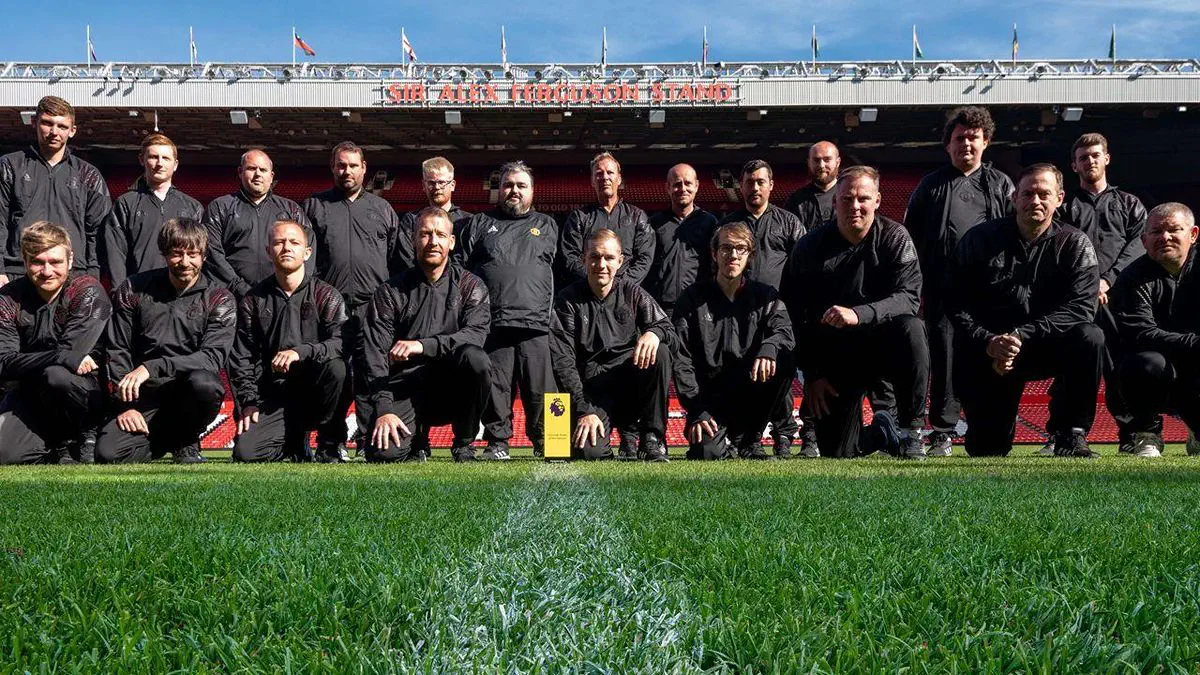
Manchester United players can earn millions of pounds a year. But the club is about more than the 25 first-team players.
It employs hundreds of people in marketing, administration, technical services, scouting, the academy and fan services.
And they could be among the first to suffer from the financial collapse.
This kind of scenario is far from fanciful.
Since Jim Ratcliffe’s arrival, Manchester United have already made sweeping staff cuts.
According to the club’s official figures, 1,127 people were employed by the company on June 30, 2024. Two years later, that number had fallen to just 805.
That is a reduction of 322 jobs — before any relegation from the Premier League.
Now imagine the club’s income falling even further.
The hierarchy would have to find new ways to save money. Administrative roles, commercial departments, scouting operations and some club programmes could all come under pressure.
Alongside its permanent employees, Man Utd hires thousands of temporary staff on matchdays — from catering workers to security personnel.
Not all of them would necessarily lose their jobs. The Championship has even more league home games than the Premier League. But a drop in hospitality income and broader budget cuts could affect the number of shifts, pay and working conditions.
And here is the most unpleasant injustice of all.
A player who makes a decisive mistake in a relegation battle could sign for another club the following summer and continue earning a huge salary.
But an ordinary United employee who has spent 20 years working for the team could be left without a job altogether.
8. The end of familiar football: 46 Championship games instead of clashes with Liverpool and City
For Manchester United fans, this could be the most painful consequence of all.
For decades, the club has been associated with big games: the Manchester derby, showdowns with Liverpool, battles with Arsenal and Champions League nights.
After relegation, that familiar football reality would disappear.
Instead of 38 Premier League games, the team would play 46 Championship matches.
No Manchester derby in the league. No Premier League meeting with Liverpool. None of the usual clashes with English football’s leading sides, if they remain in the top flight.
The only chance to face them would be in cup competitions.
And do not assume Man Utd would automatically win the second tier just because of their famous badge.
The Championship is an extremely gruelling competition, with fierce battles, a packed schedule and awkward opponents.
For many clubs, beating Manchester United would be one of the biggest moments of their season. Rival fans would pack the stands, and their players would take to the pitch with extra motivation.
Every away trip would become a test.
History does offer the Red Devils a reason for optimism. After their 1974 relegation, they won the Second Division at the first attempt and returned to the top flight.
But no one can guarantee it will happen again this time.
The worst-case scenario is that Man Utd fail to win promotion at the first attempt, then the second, and eventually become a club for whom simply playing in the Premier League is the main sporting goal.
9. Fan revolt, a share-price slump and a new fight for control of the club
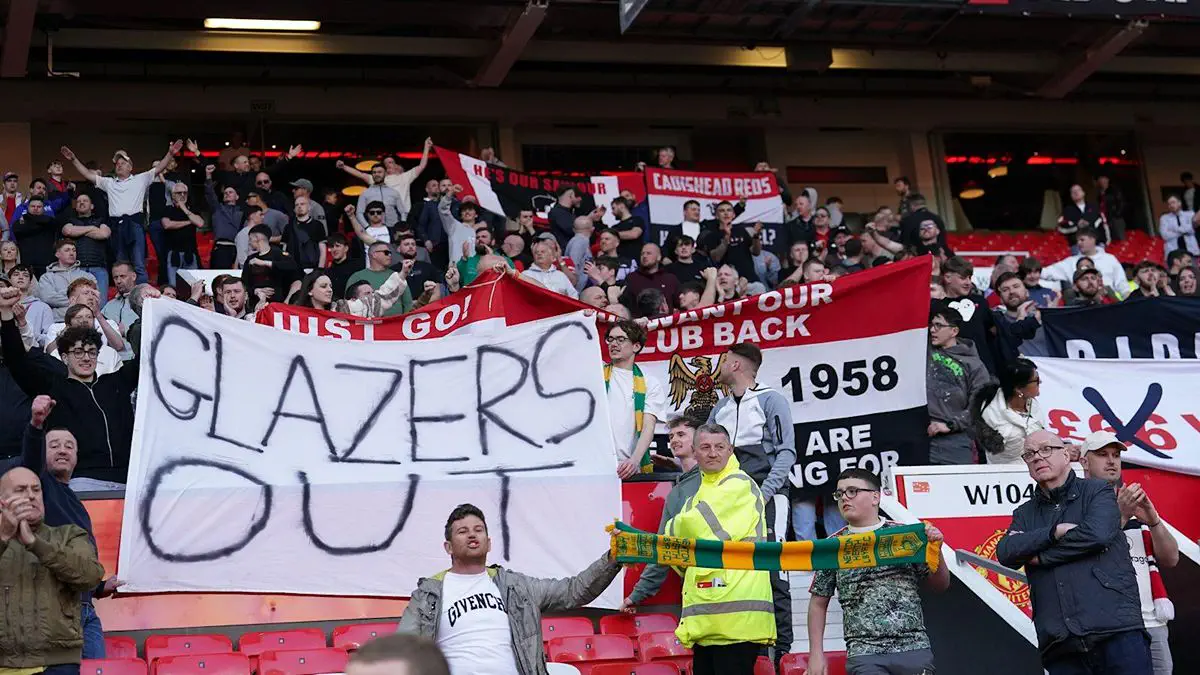
Manchester United fans have been unhappy with the owners for a long time. But relegation to the Championship could take the conflict to an entirely new level.
The Glazers, Jim Ratcliffe and the club’s executives are already under enormous pressure.
On November 8, 2026, ahead of the match against Aston Villa, Man Utd supporters staged yet another protest against the owners.
And after Michael Carrick was sacked, the Manchester United Supporters’ Trust publicly called on the club’s leadership to take responsibility for the team’s problems.
If the club are relegated, the discontent could potentially turn into the biggest crisis of confidence in years.
It is easy to picture protests outside Old Trafford, demands for the club to be sold, boycotts of club merchandise and increasingly heated clashes between fans and the hierarchy.
But the blow would not be just reputational.
Manchester United plc shares are traded on the New York Stock Exchange under the ticker MANU.
On-field failure alone does not guarantee a share-price collapse. But investors assess the prospects for future revenue, and a prolonged absence from the Premier League could significantly worsen their outlook.
Add sponsorship problems, debt and uncertainty around the new stadium, and the company could come under serious financial pressure.
In that situation, debate over a change in ownership or the arrival of a major new investor could also intensify.
The historical irony would be that a club whose return to the title race has been pursued for years could begin to be rebuilt only after falling into the second tier.
10. Businesses going bust near Old Trafford: relegation could hit Manchester businesses
The consequences of a potential footballing catastrophe would reach far beyond the club itself.
Manchester United are not just a football team. They are also one of Manchester’s biggest sports tourism attractions.
Every year, thousands of international fans travel to the city for matches at Old Trafford.
They buy tickets, book hotels, visit restaurants, spend money in pubs, use taxis and public transport, and buy souvenirs.
A whole economic ecosystem has grown up around this giant club.
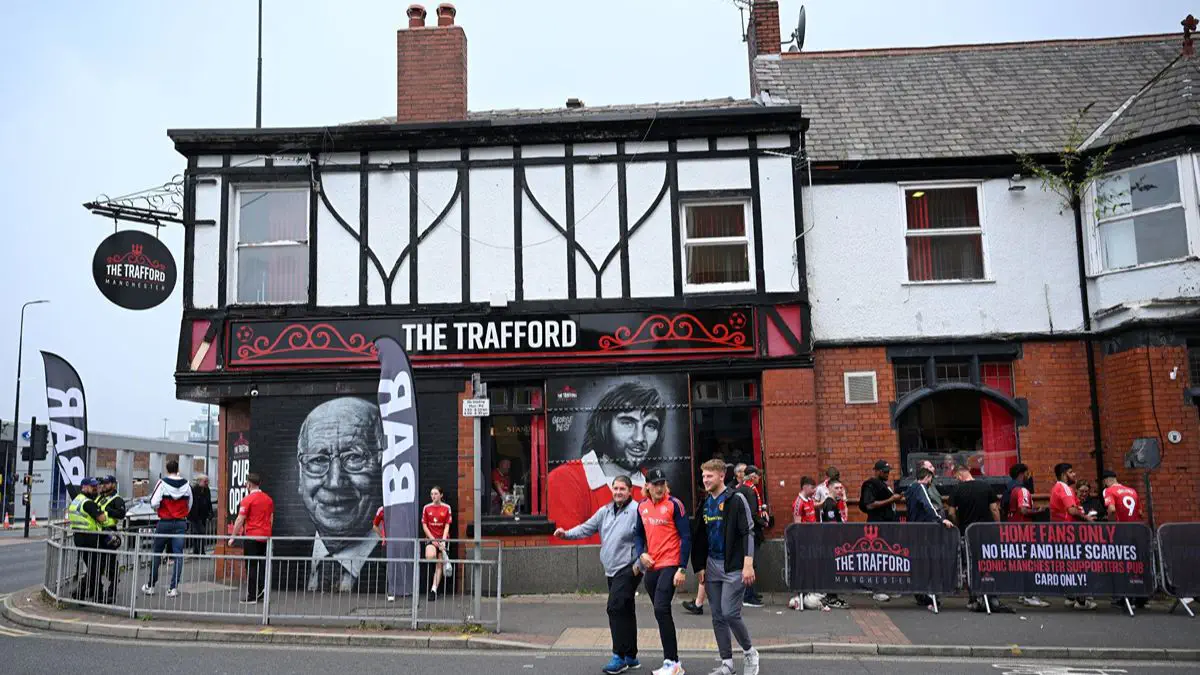
What happens if, instead of clashes with Liverpool, Arsenal and Manchester City, the team regularly play Championship sides?
Of course, Man Utd would not lose their fanbase overnight.
But an international fan willing to spend thousands of pounds on a trip to Manchester for a derby or an important Premier League match may be less keen to travel for an ordinary Championship fixture.
In that case, the first businesses to suffer would be those most reliant on expensive football trips, international visitors and premium spending.
Small hotels, tour operators, souvenir shops and food-and-drink venues could all face falling profits.
For some businesses with high rents, debt and little financial cushion, a prolonged drop in demand could even lead to closure or bankruptcy
Ultimately, people with no involvement in what happens on the pitch could end up paying for the mistakes of Manchester United’s executives and players.
Pochettino is the last line of defence
Manchester United remain one of the best-known football brands in the world. They have a huge fanbase, an expensive squad, a powerful commercial platform and the resources to rebuild.
Even relegation would not necessarily spell a decade-long catastrophe. The club could rebuild the team, return to the Premier League at the first attempt and gradually restore its standing.
But there is one important detail.
The football world has seen major clubs lose their former status more than once. A famous badge does not earn points, history does not score goals, and multi-million-pound wages do not guarantee wins.
That is why Mauricio Pochettino carries an enormous responsibility right now.
The Argentine was not brought in simply to improve results or fight for European qualification. His first task is to prevent a historic humiliation that could change Manchester United’s future for years to come.
“We are not wasting time. Now is not the time to think about rest or sleep”, he said immediately after arriving at Carrington. The Argentine knows exactly where he has landed.
He was not brought to Old Trafford for attractive football, or even for trophies. He was brought in to save an entire football empire from total collapse. And the test begins without any favours — this Sunday at the fiery Anfield.
And if Pochettino cannot turn things around, Red Devils fans may look back on their current 18th place not as the lowest point of the fall, but merely as the beginning of a far more frightening story.
 Steven Perez
Dailysports's expert