Who are Wiliete SC? The unknown Angolan club that humbled Africa’s champions
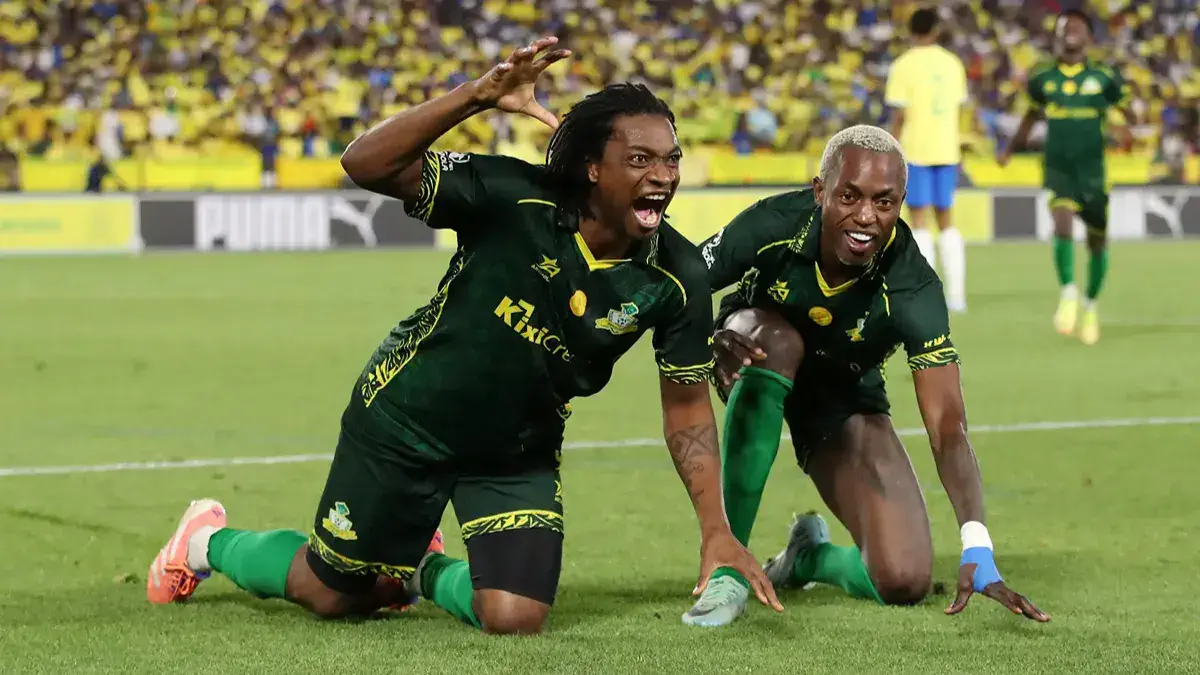


Just eight years ago, this club did not even exist. Now it has knocked the reigning CAF Champions League holders, Mamelodi Sundowns, out of the competition. This is the remarkable story of Wiliete SC — a young Angolan team that has gone from local football newcomers to one of Africa’s biggest sensations.
On October 23, 2026, one of the biggest upsets in the history of the African Champions League took place. South Africa’s Mamelodi Sundowns, who had won the continent’s most prestigious club tournament just a few months earlier, were unexpectedly eliminated in the second qualifying round. And they were stopped by a club whose name was probably unfamiliar even to most dedicated fans of African football.
Angola’s Wiliete Sport Clube, founded only in 2018, drew 1-1 in Pretoria and reached the group stage of the prestigious tournament on the away-goals rule. The first leg had ended in a goalless draw.
For Sundowns, it was a genuine disaster. The team that won the Champions League in 2016 and 2026 failed to reach the group stage for the first time since 2015. For Wiliete, meanwhile, it was the greatest achievement in the club’s short history.
But where did this club come from? Who finances it? How did a team that is only eight years old manage to compete with Angola’s giants and then eliminate Africa’s strongest club?
A club born only in 2018
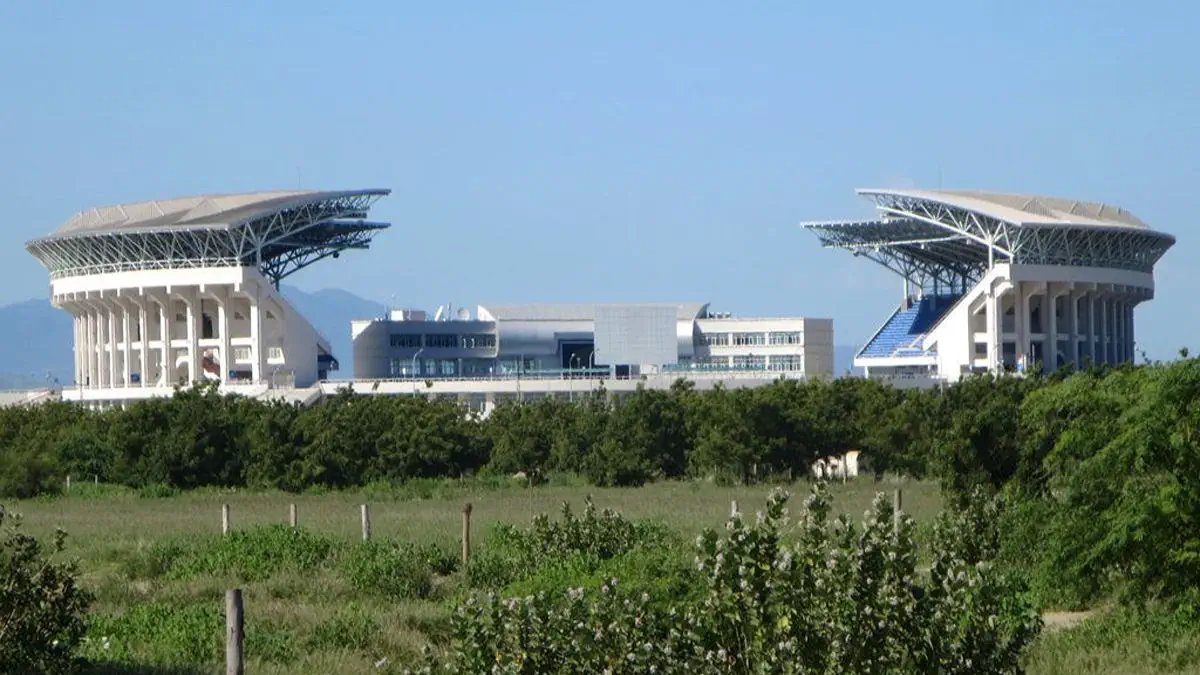
Wiliete Sport Clube is a football club from Benguela, a port city on Angola’s Atlantic coast, around 400 kilometres south of the capital, Luanda.
Benguela has deep football traditions. It is home to one of the country’s most famous stadiums — the 35,000-capacity Estádio Nacional de Ombaka, built for the 2010 Africa Cup of Nations. Wiliete uses it for home matches. However, the club is forced to play its CAF Champions League matches at Tundavala Stadium in Lubango because its own ground does not meet the confederation’s requirements.
Unlike many other representatives of Angolan football, Wiliete cannot boast a rich history.
The club was officially founded on September 14, 2018. By comparison, Mamelodi Sundowns had already won the CAF Champions League by then, while some of Wiliete’s current players had been playing professionally longer than their team had existed.
The club was created by Angolan entrepreneur Wilson Faria, who remains its president today.
Wiliete’s origins are quite unusual. In 2009, Faria became vice-president of another local club, Primeiro de Maio of Benguela. There, he tried to introduce a new management model with a greater emphasis on commercial operations, marketing and attracting investment.
However, his vision for football development failed to attract sufficient support.
In an interview with the Angolan publication O País in December 2023, Faria said that at the end of 2016 he and a group of like-minded partners left Primeiro de Maio to pursue their own project.
Two years later, Wiliete was born.
The idea was not simply to create another football team. Faria wanted to build a club capable of generating its own revenue, developing its own brand and gradually reducing its dependence on outside financial support.
As the following years showed, the new president’s ambitions were far greater than anyone might have expected.
An unusual route to the elite: Wiliete benefited from another club’s financial problems

The story of Wiliete’s debut in Angola’s top division, known as the Girabola, is even more intriguing.
In the 2018/19 season, the newly formed club played in the second division and finished third. Initially, that result was not enough to earn direct promotion.
Then Wiliete was unexpectedly handed an opportunity.
In July 2019, Benfica de Lubango, who had earned promotion to the top flight, announced that it would withdraw from the championship because of financial difficulties. The club’s management said that at least 300 million Angolan kwanzas — approximately $890,000 at the time — were needed to complete a full season, but the necessary support could not be found.
The Angolan Football Federation removed Benfica from the competition, and the vacant place went to Wiliete.
The irony was that the new club, created with the aim of building a financially stable football structure, reached the top division precisely because of a rival’s financial problems.
In their debut 2019/20 season, Wiliete finished ninth. The championship was halted prematurely because of the COVID-19 pandemic, but the team had already shown that it could compete at the highest level.
Its results gradually improved, although the road to the top was far from smooth.
In the 2020/21 season, Wiliete finished seventh , dropped to eleventh the following year, but then finished fourth in 2022/23.
In the 2023/24 campaign, the team ended the championship in fifth place. Then it took a decisive step forward.
Two successive runner-up finishes and the first trophy in club history
The 2024/25 season was a genuine breakthrough.
Wiliete recorded 18 wins in 30 matches, collected 60 points and finished the Angolan championship in second place. Only perennial powerhouse Petro de Luanda finished above them.
The Benguela side left behind such well-known opponents as Primeiro de Agosto, Sagrada Esperança and Kabuscorp.
The second-place finish earned Wiliete the first CAF Champions League qualification in its history.
In the 2025/26 season, the team again finished as runners-up in Angola, this time with 62 points. But the best moment was still to come.
On May 31, 2026, Wiliete won the first major domestic trophy in its history — the Angolan Cup.
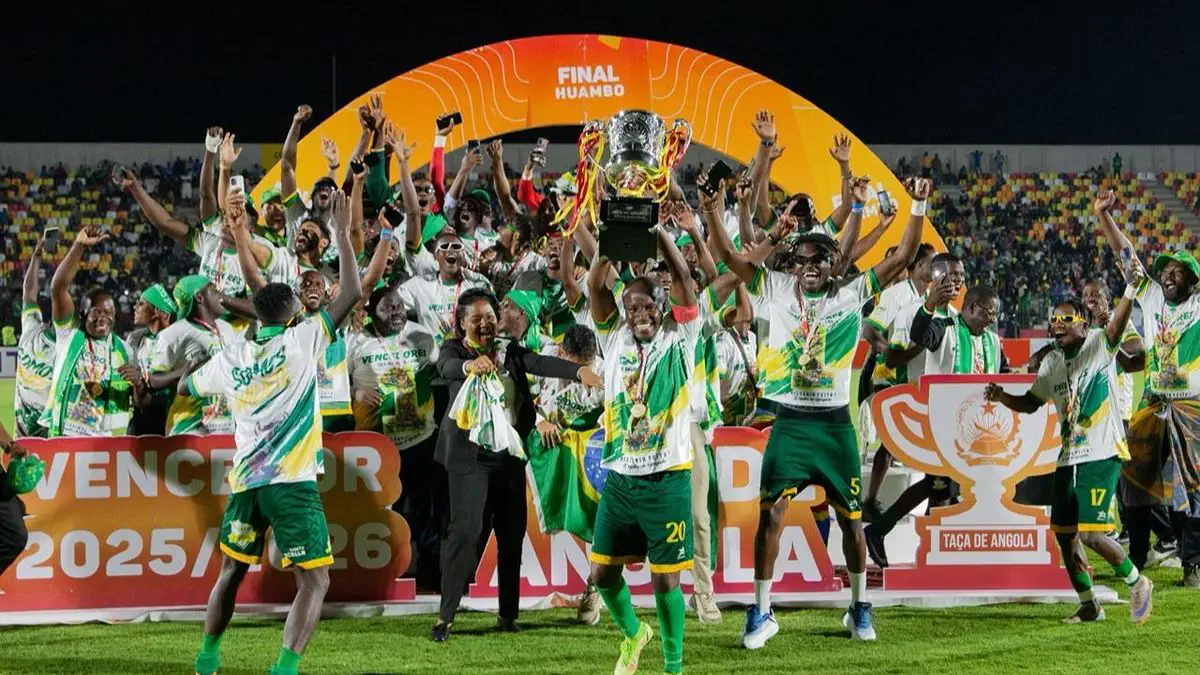
In the final, held in Huambo, the Benguela club defeated holders Kabuscorp 2-1. César Kange converted a penalty in the 42nd minute, and Junior Goiano doubled the lead early in the second half. The opponents managed to pull one back, but Wiliete held on for victory.
The team was led to this historic success by Angolan coach Paulino Júnior.
In less than eight years since its foundation, Wiliete had therefore finished as national runners-up twice, won the domestic cup and become one of the main challengers to Angola’s traditional giants.
More than just a football club: business, technology and its own brand
Wiliete’s story, however, is not only about results on the pitch.
The club is part of the wider business environment of Grupo FAW — an Angolan group of companies operating in education, financial services and sport. Its history began in 2014, and the creation of a football club became one of its subsequent projects.
Wiliete president Wilson Faria previously worked in banking, so from the outset he sought to bring the principles of corporate governance into football.

The club operates as a sports joint-stock company — SAD. This reflects the leadership’s desire to view football not only as a sporting competition, but also as a fully fledged economic activity.
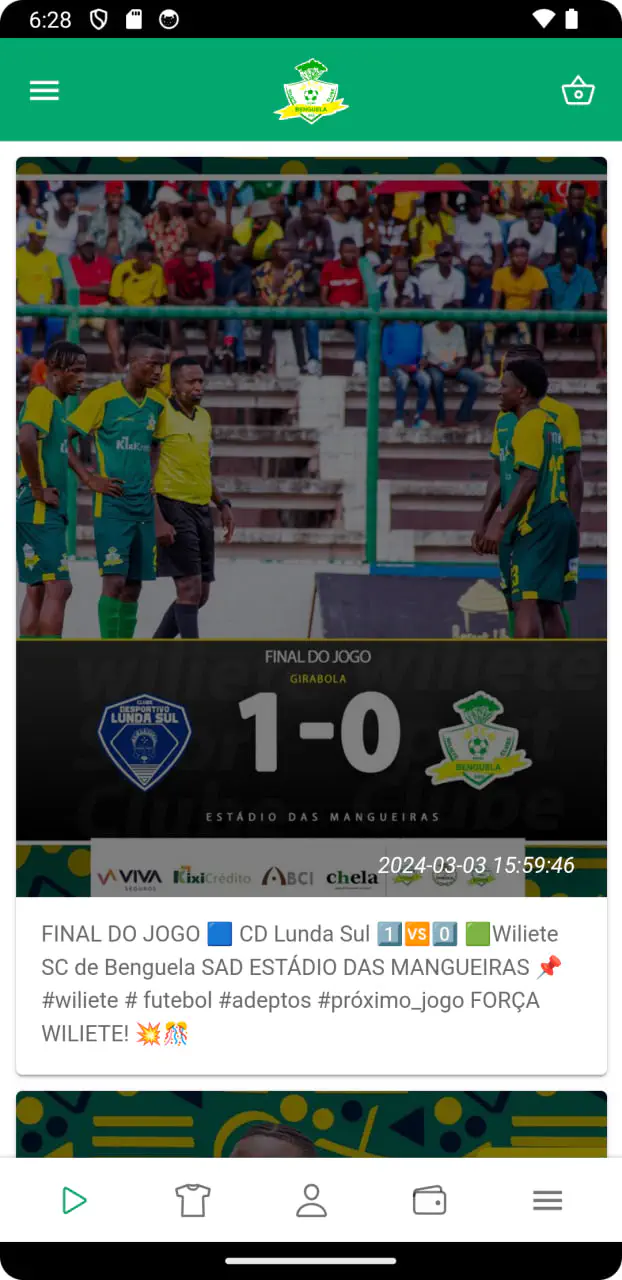
Wiliete is also actively developing its commercial operations, runs its own merchandise store and invests in communication with supporters.
The club became the first in Angola to launch its own mobile app for fans. Through it, supporters can access club news, match information and tickets.
Of course, modern marketing and a business model do not guarantee victories on the pitch. But they help explain why Wiliete has transformed so quickly from a newcomer to the championship into a serious rival to much older teams.
The first African experience proved painful
Despite its rapid progress at home, Wiliete’s CAF Champions League debut ended in failure.
In September 2025, the Angolan club faced Tanzania’s Young Africans in the first qualifying round.
The first match ended in a 0-3 home defeat, while Wiliete lost the return leg 0-2.
The final 0-5 aggregate score was a painful reminder that success in the Angolan championship did not necessarily mean readiness to face the continent’s best teams.
However, the club’s leadership did not abandon its ambitions.
In the summer of 2026, Wiliete significantly strengthened its squad and appointed a new head coach — Spanish-Brazilian specialist Beto Bianchi, who had previously worked with Petro de Luanda, Interclube and Kabuscorp.
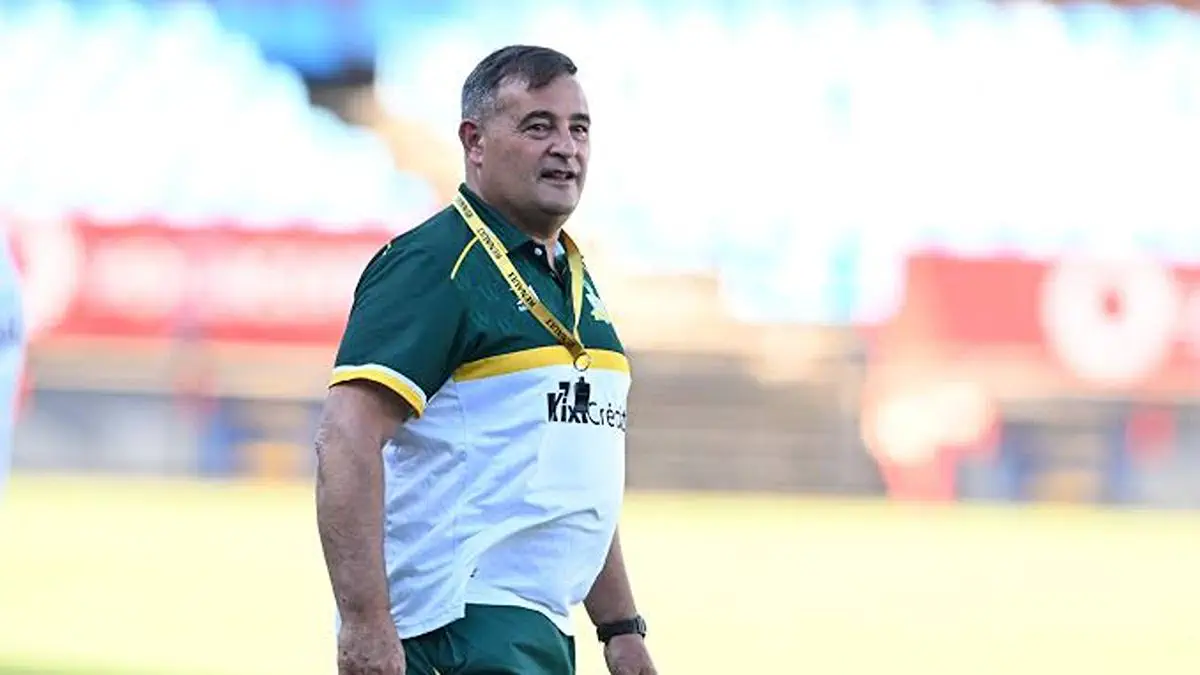
One of the reasons for Paulino Júnior’s departure was his lack of the required CAF Category A coaching licence.
Bianchi was tasked not only with challenging for the Angolan title, but also with finally taking Wiliete into the group stage of the African Champions League.
To achieve that, the club made several notable signings.
Winger Jibelle arrived from Petro de Luanda. The squad was also reinforced by players with international experience, including Gilberto, Janderson and several other newcomers.
But the biggest star was Angola international striker Mabululu.
Mabululu — the star who changed everything

Cristóvão Paciência, better known as Mabululu, joined Wiliete in July 2026 .
Unlike his new club, the forward already had a strong reputation in African football.
He had represented the Angola national team, played in the Egyptian and Libyan leagues, and in the 2022/23 season became the top scorer in the Egyptian Premier League, scoring 16 goals for Al Ittihad of Alexandria.
He later moved to Libyan club Al Ahly of Tripoli, where he continued to score regularly and win trophies.
Mabululu’s return to his homeland became one of the biggest transfers of the Angolan off-season. And the experienced striker began repaying that faith almost immediately.
In the first qualifying round of the 2026/27 Champions League, Wiliete faced Foresters from the Seychelles.
This time, instead of the humiliating 0-5 aggregate score, the scoreboard showed a 5-0 victory.
The Angolans crushed their opponents 4-0 in the first leg and won the second 1-0. Mabululu scored three of the team’s five goals.
Wiliete were then drawn against the most formidable opponent in their history — reigning Champions League holders Mamelodi Sundowns.
And that was when things became truly interesting.
How Wiliete stopped the African champions
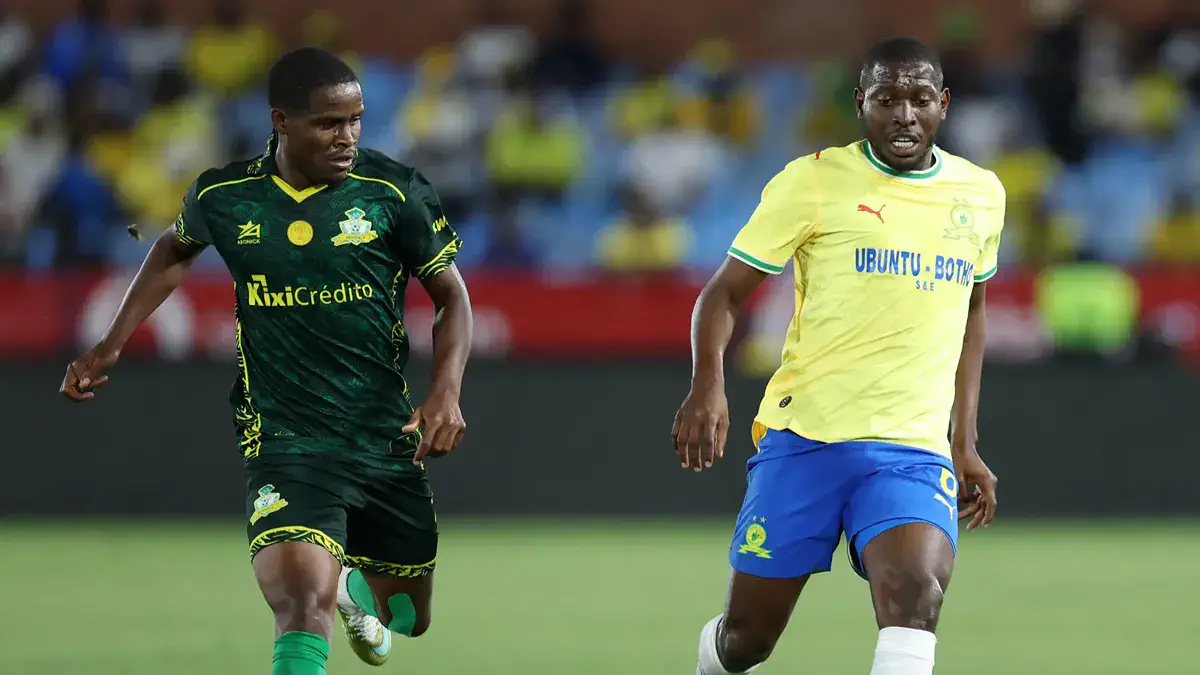
Before the showdown with Mamelodi Sundowns, the Angolan club was considered a clear underdog. So they had to fight for the result. Quite literally.
The South African giants, coached by Portuguese manager Miguel Cardoso, had won the 2025/26 Champions League and were aiming to defend their title. Wiliete, meanwhile, were playing only their second campaign in African club competitions.
The first leg took place on October 18 at Tundavala Stadium in Lubango. Interestingly, this was not even the Benguela club’s home ground. In 2021, CAF banned international matches from being played at the club’s stadium in Benguela because of the poor state of its infrastructure. The venue has never regained the required approval for African club competitions, meaning that even this historic clash with the African champions had to be played far from home.
Nevertheless, the hosts caused the champions unexpectedly serious problems.
Wiliete closed down the available spaces intelligently, prevented their opponents from building attacks and held on to a goalless draw.
Before the second leg, Beto Bianchi placed particular emphasis on his team’s tactical discipline:
“They did not take a single corner in the entire 90 minutes. That shows we worked well tactically.”
But the first match was remembered for more than football. After the final whistle, a confrontation erupted between Beto Bianchi and Sundowns coaching staff member Steve Komphela, eventually escalating into a physical altercation.
Komphela struck the Wiliete coach in the groin, after which Bianchi had to be taken to hospital.
Because of the incident, he even missed the post-match press conference. At the same time, the circumstances of the confrontation remained disputed, with the South African side making counter-accusations about the Angolan coach’s conduct.
“It was a bad situation for football,” Bianchi admitted before the second leg, while stressing that he did not blame the entire Sundowns club for the actions of one individual.
Wiliete therefore travelled to Pretoria not only after an unexpected goalless draw, but also amid a major scandal that brought additional attention to the tie.
The second leg began badly for the Angolans.
In the 11th minute, Tashreeq Matthews opened the scoring with a shot from outside the box that took a deflection off a Wiliete defender.
It appeared that the favourites had finally taken control.
But everything changed in the 49th minute.
Sundowns player Cassius Mailula made a mistake while passing near his own penalty area. Mabululu intercepted the ball, moved into a shooting position and sent it past goalkeeper Ronwen Williams.
1-1 — and it was now Wiliete who were advancing to the group stage on the away-goals rule.
More than 40 minutes remained, during which the hosts desperately tried to rescue the tie.
Wiliete’s goalkeeper Elber Delgado was particularly impressive. He made several crucial saves, denying dangerous efforts from Brian Leone and Matthews.
Sundowns dominated possession, created chances, made substitutions and applied constant pressure on the opposition defence.
But Wiliete held firm.
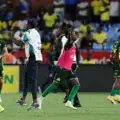
After the final whistle, the score remained 1-1. Without winning either match, the Angolan club eliminated the reigning African champions on the away-goals rule.
For Mamelodi Sundowns, it was one of the most painful failures of the past decade.
The scale of the upset is best illustrated by the statistics. Mamelodi Sundowns had reached the CAF Champions League group stage every year since 2016. Wiliete ended that run and made the South African club the first reigning holders since TP Mazembe in 2016 to fail to reach the group stage of the following edition.
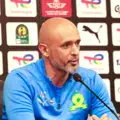
Sundowns head coach Miguel Cardoso was dejected after the match:
“Of course, this is a failure. A failure for all of us, and everyone must take responsibility — from the coaches to the players. We controlled the match, but we simply could not convert the chances we created.”
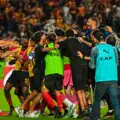
While Pretoria tried to explain the disastrous elimination, Benguela was celebrating the greatest success in Wiliete’s history.
What comes next? Wiliete is no longer as small as it seems
Thanks to their sensational victory, Wiliete qualified for the CAF Champions League group stage for the first time.
They became only the sixth Angolan club to achieve this feat.
And the sensation is not limited to the international stage.
Wiliete also made an outstanding start to the new 2026/27 season. After six league matches, the team had five wins, one draw and 16 points, leading the Girabola table.
Of course, it is too early to talk about a potential title. Petro de Luanda and the other traditional giants are still there, while competing in the Champions League group stage will create an additional burden.
But Wiliete have already proved that their emergence among Angola’s best teams was no fluke.
In 2018, the club had only just appeared on the football map. In 2019, it seized the chance to make its debut in the top division. In 2025, it qualified for the Champions League for the first time, but lost 0-5 on aggregate.
A year later, it won its first domestic trophy, signed Angola’s star striker and eliminated the reigning champions of the continent.
And perhaps the most fascinating part of the story is that Wiliete have still never won the Angolan championship. Not yet. But they have already knocked out a club that has twice been crowned the strongest team in all of Africa.
In December 2023, Wiliete president Wilson Faria was asked in an interview with O País whether his team could already be called a major football brand in Angola.
“We are still a baby just learning to crawl,” Faria replied at the time, adding that one day Wiliete would become the club its founders wanted it to be.
At that point, the team had not won a major trophy and had never played in the CAF Champions League.
Now, less than three years after those words, it has eliminated the reigning champions of the continent’s most prestigious club tournament.
It seems this “baby” has learned not only to walk, but also to deliver painful blows to football giants.
 Steven Perez
Dailysports's expert