CAF Awards 2026 rigged? Salah, Diomande, Osimhen and the biggest controversies
The Confederation of African Football has announced the nominees for the 2026 CAF Awards, but instead of celebrating the continent's best players, it has been left facing a host of awkward questions. Why are Salah and Osimhen missing from the nominees? How did one of the year's brightest talents, Diomande, end up only in the youth category? And what have some players done to deserve a place in the top ten more than those left out?
On November 4, the Confederation of African Football (CAF) announced the nominees for the 2026 CAF Awards. The gala ceremony will take place on December 7 in Lagos, Nigeria, where the best players, coaches, goalkeepers and teams on the continent will be honoured.
Among the ten contenders for the African Player of the Year award are Achraf Hakimi, Sadio Mané, Brahim Díaz, Antoine Semenyo and other high-profile players.
But the biggest attention has been drawn not by those who made the list, but by those who are missing.
Victor Osimhen, Mohamed Salah, Ademola Lookman, Yan Diomande and Serhou Guirassy — all of them were left out of the top ten. And while the absence of some stars can still be explained, CAF's decision regarding others looks frankly bizarre.
The situation is particularly ironic for Nigeria. The country will host the awards ceremony, even though none of its representatives made the nominee lists in any of the seven men's categories. And this comes after Nigeria won bronze at the Africa Cup of Nations.
At the same time, CAF found room for players whose achievements raise considerably more questions.
So can the 2026 CAF Awards really be called a rigged prize? We examine the organisers' most controversial decisions.
- Also read: 15 defining moments of Ronaldo’s Portugal career: from Euro 2004 tears to a clash with Jesus
Who was forgotten?
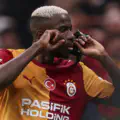
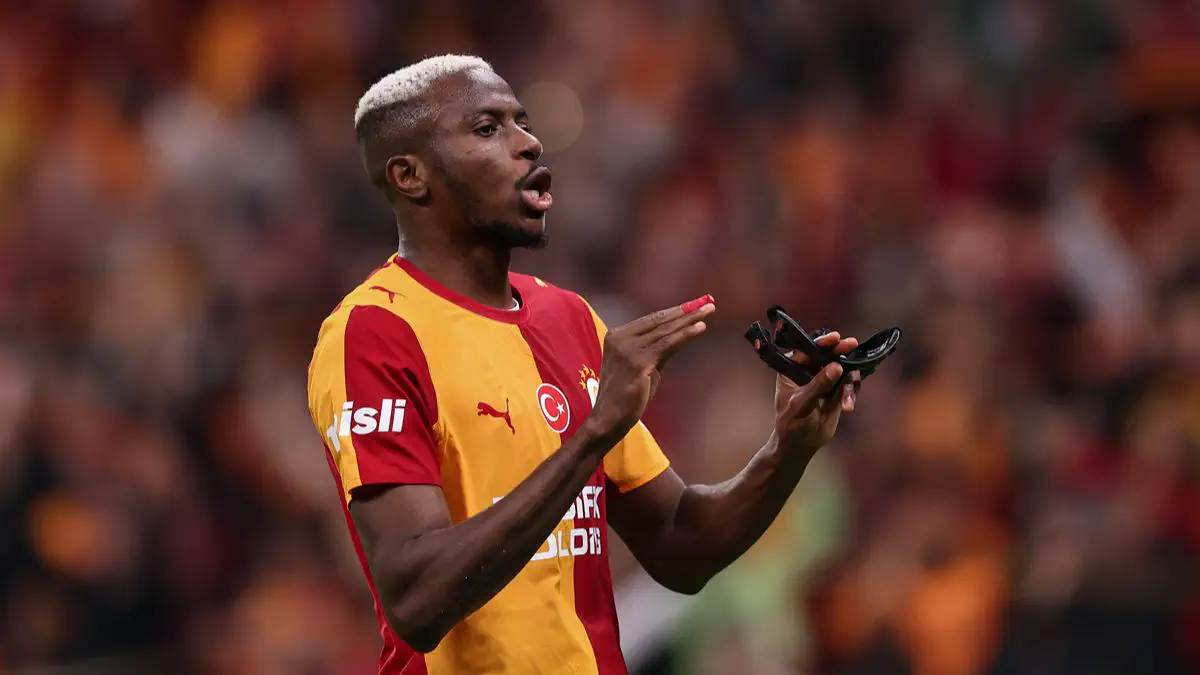
Victor Osimhen — 43 goal contributions, a league title and not a single nomination
Let's start with what is probably the most baffling decision.
In 2023, Victor Osimhen was named African Player of the Year. Three years later, the striker did not even make the top ten contenders for the award.
And it certainly is not because the Nigerian has stopped scoring.
In 2026, Osimhen continued to dominate Turkish football. He helped Galatasaray win another league title, while his output over the calendar year reached 23 goals and 11 assists.
The striker also made a brilliant start to the new season, scoring 10 goals and providing 3 assists in his first eight Turkish league matches.
And that is not all. At the Africa Cup of Nations, which concluded in January 2026, Osimhen scored four goals, helped Nigeria win the bronze medal and was named in the tournament's Team of the Tournament.
So what went wrong?
The most obvious explanation is Nigeria's absence from the 2026 World Cup. The team lost to DR Congo in the decisive qualifying round, while all ten CAF nominees featured at the World Cup.
But should one failure by a national team wipe out an entire individual year for a player?
That question is particularly strange considering that Yoane Wissa is among the candidates, despite scoring only two Premier League goals in two seasons at Newcastle by the start of November.
Yes, the Congolese forward performed superbly at the World Cup. But the difference in the two strikers' club achievements is so striking that Osimhen's absence at the very least demands an explanation.
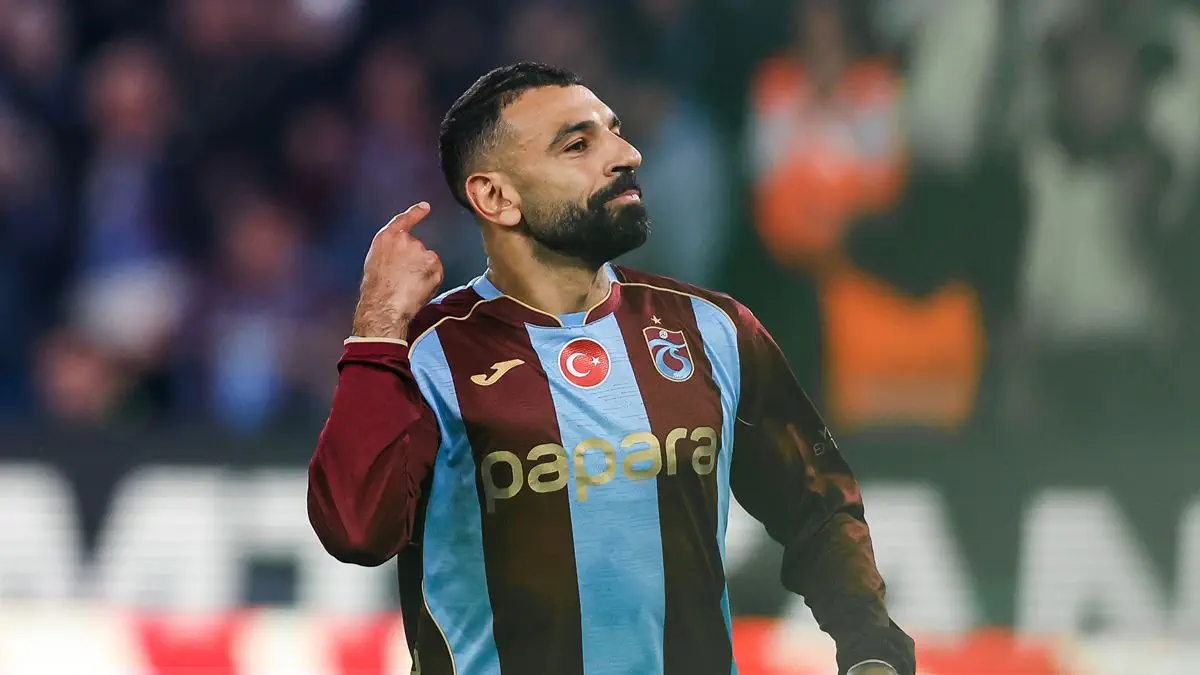
Mohamed Salah — four AFCON goals and a revival in Turkey
Just a few years ago, it was practically impossible to imagine a list of Africa's best footballers without Mohamed Salah.
The Egyptian won the award twice, in 2017 and 2018. In 2025, he was once again among the leading contenders, losing out to Hakimi.
But in 2026, he did not even receive a nomination.
To be fair, Salah's final season at Liverpool was considerably less impressive than those before it. In 27 Premier League appearances, he registered 7 goals and 7 assists.
In August 2026, the forward moved to Trabzonspor, where he effectively found a second wind. In his first 10 Turkish Süper Lig matches, he scored 8 goals and provided 3 assists.
That should be added to four goals at the Africa Cup of Nations and his participation at the World Cup, where Egypt reached the round of 16.
Of course, this was not the best year of Salah's career. He no longer displays the extraordinary consistency that made him a Liverpool legend.
But does a player really have to produce a season at the level of peak Mohamed Salah to make the top ten African footballers?
Especially when some of the nominees have significantly more modest individual numbers.
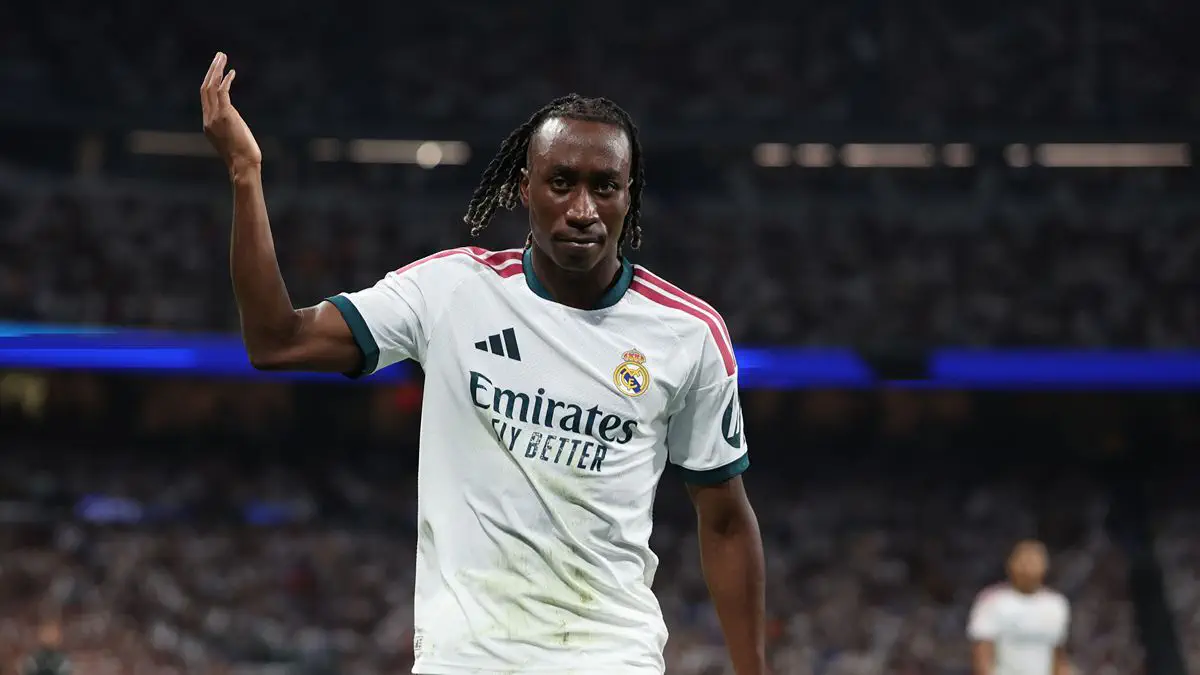
Yan Diomande — is the most expensive African footballer in history not good enough?
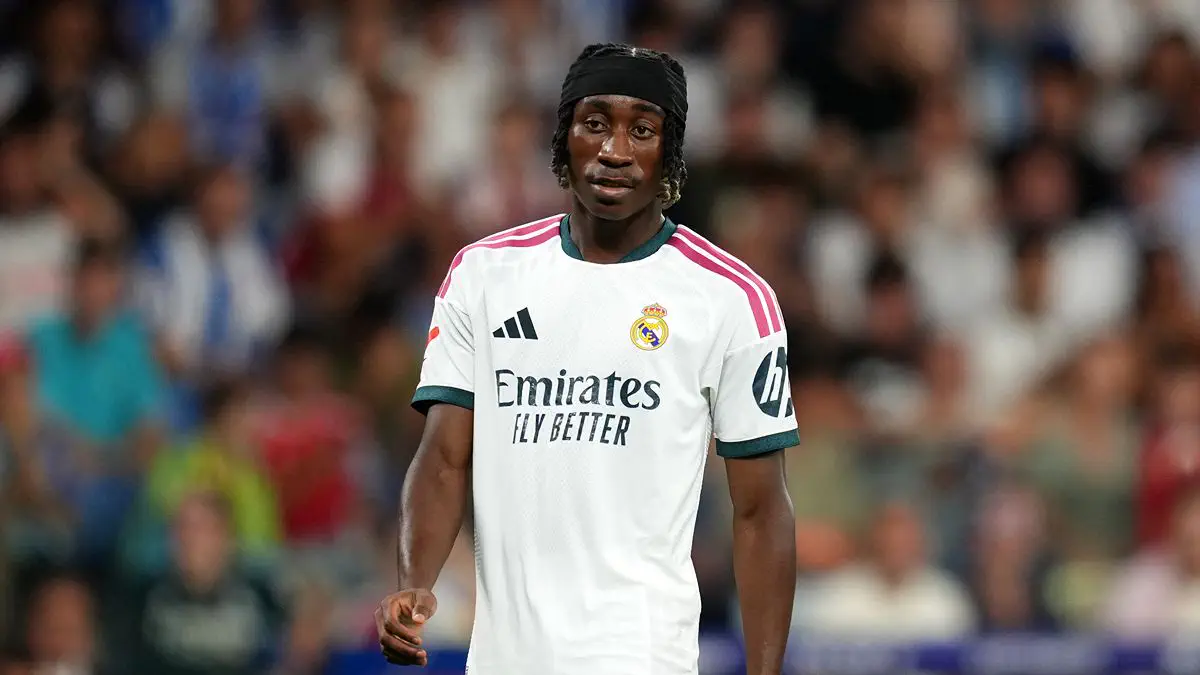
Yan Diomande's case looks even more absurd.
The 19-year-old Ivory Coast winger became one of the biggest revelations in European and world football.
In the 2025/26 season, Diomande scored 12 goals and provided 8 assists in 33 Bundesliga matches for RB Leipzig. He was named the best newcomer of the season in Germany and helped the club return to the Champions League.
The Ivorian also made his mark at the World Cup, notably providing two assists in matches against Germany and Curaçao.
Then, in August 2026, Real Madrid signed the player for €140 million. Diomande became the most expensive African footballer in history.
And he did not disappear after moving to Madrid: in his first 11 La Liga matches, he recorded 3 goals and 2 assists.
On paper, he looked like the perfect CAF Awards candidate.
And formally, Diomande was indeed nominated. But only for the African Young Player of the Year award.
He did not make the main top ten.
If a footballer was one of the Bundesliga's best wingers, impressed at the World Cup and earned a record-breaking move to Real Madrid, what more does he need?
It is especially interesting to compare him with Amad Diallo, who made the main shortlist. In the 2025/26 season, the Manchester United player recorded 5 goals and 4 assists in club competitions.
Yes, Amad also performed well for Ivory Coast. But in terms of overall club achievements, Diomande has arguments that are at least as strong.
Age should not be a reason to exclude a player from the main category. After all, the award is for the best footballer in Africa, not the best African footballer over the age of 21.
Ademola Lookman — CAF included him in the AFCON Team of the Tournament, then forgot about him
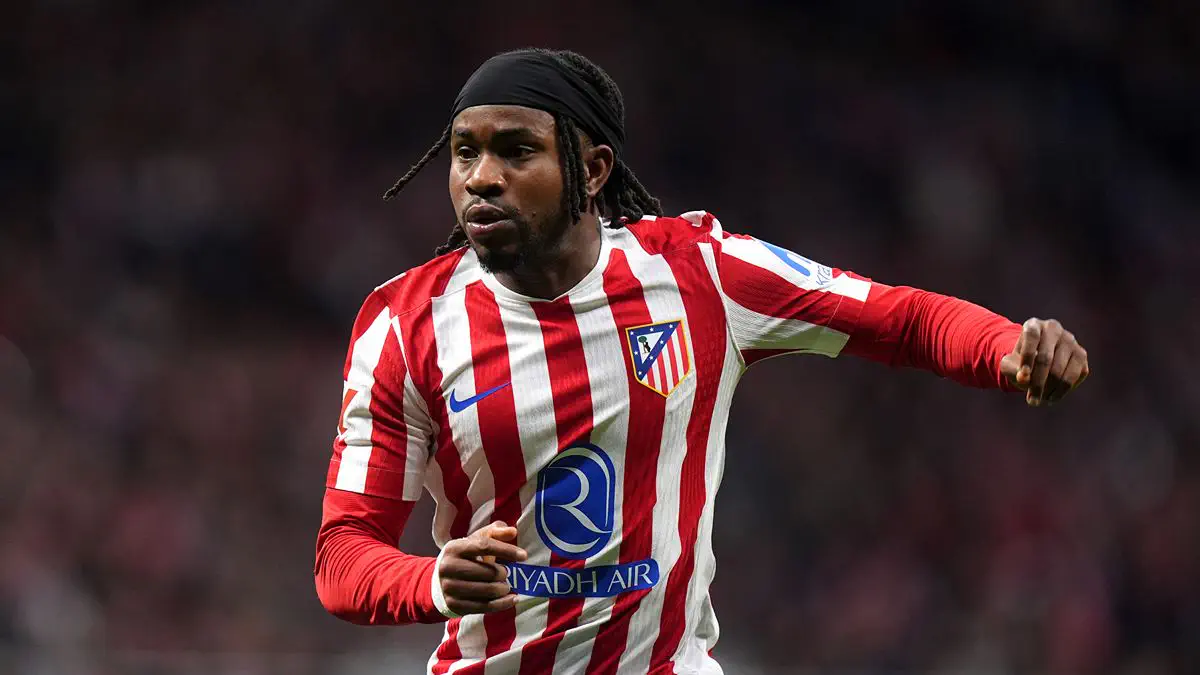
Another footballer who appears to have been forgotten is 2024 CAF Awards winner Ademola Lookman.
At the start of 2026, he became one of the main stars of the Africa Cup of Nations.
3 goals, 4 assists and a bronze medal — an excellent return for a player who effectively orchestrated Nigeria's attack.
According to Sofascore ratings, Lookman was the tournament's highest-rated player on average, finishing ahead of the other stars.
Most interestingly, CAF itself included him in the official AFCON Team of the Tournament.
So in January he was one of the best players at the continent's biggest tournament, yet in November he did not even make the ten-man shortlist for Player of the Year.
After moving to Atlético Madrid in February 2026, Lookman scored nine goals in all competitions before the end of the 2025/26 season. Overall, as of November 7, Lookman has made 39 appearances in Madrid, with 11 goals and 4 assists.
But missing even from the top ten is a completely different story.
There is another detail worth noting: Nigeria defender Calvin Bassey joined Lookman and Osimhen in the AFCON Team of the Tournament. He is also absent from the nominees for the main individual award.
That means a national team that sent three players into the Africa Cup of Nations' best XI did not receive a single nomination for Player of the Year.
Serhou Guirassy and Ibrahim Maza — victims of their national teams' results?
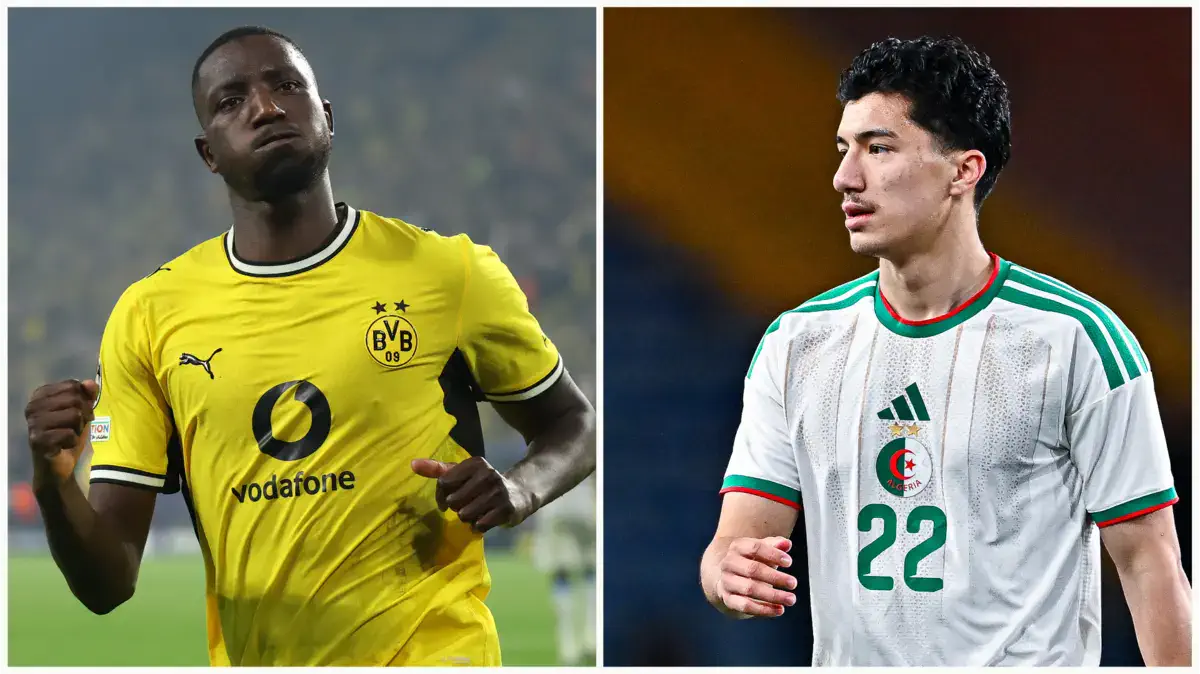
The absence of two more Bundesliga players attracted somewhat less attention.
Borussia Dortmund striker Serhou Guirassy finished the 2025/26 season with 17 goals in the German league. He added four more in the Champions League.
The Guinean has continued to score regularly this season, yet he did not make CAF's list.
And once again, the World Cup enters the conversation: Guinea failed to qualify for the tournament.
Ibrahim Maza, by contrast, featured at the World Cup for Algeria and became one of the continent's most intriguing young players. His debut season at Bayer was also a success.
Like Diomande, Maza was nominated only in the youth category.
Such decisions create the impression that CAF is effectively dividing footballers into those who are already entitled to challenge for the main award and those who are expected to settle for a youth prize for now.
Stanley Nwabali and Eric Chelle — two more forgotten Nigerians
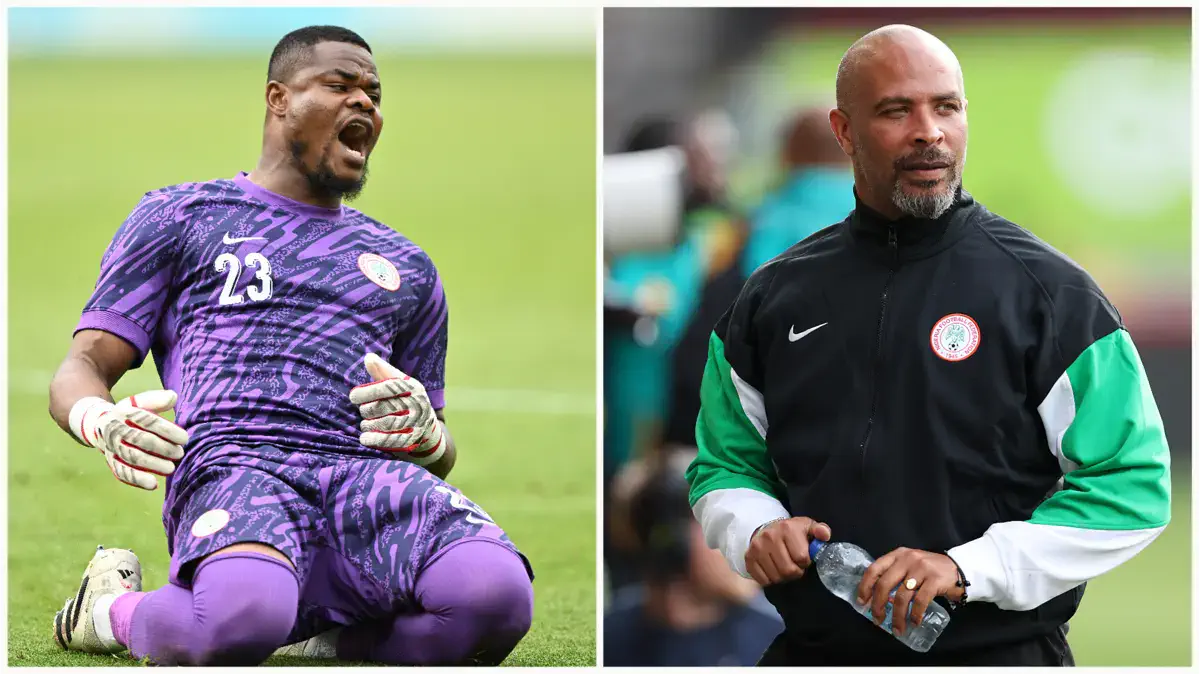
Nigeria's problem is not limited to its forwards.
In the Africa Cup of Nations third-place play-off, goalkeeper Stanley Nwabali saved penalties from Mohamed Salah and Omar Marmoush, helping his team defeat Egypt.
Yet he is not among the ten contenders for the continent's best goalkeeper. At the same time, two Egyptian goalkeepers received nominations.
Of course, it would be wrong to judge goalkeepers on a single penalty shootout. But for Nwabali, it was one of the defining moments of the year and deserves attention.
Nigeria head coach Eric Chelle was also left off the list, despite leading his team to third place at the Africa Cup of Nations.
The failure to qualify for the World Cup is a serious argument against him. However, if CAF considers an AFCON bronze medal an insufficient achievement, it is strange that it can still find room for coaches with results that are no less debatable.
Who should not have been included?
Now let's turn to the other side of the story.
First, making this list does not mean that a player had a poor year. We are talking about those whose place among the best raises the most doubts when compared with the candidates CAF ignored.
Yoane Wissa — did three World Cup goals erase a disastrous club season?
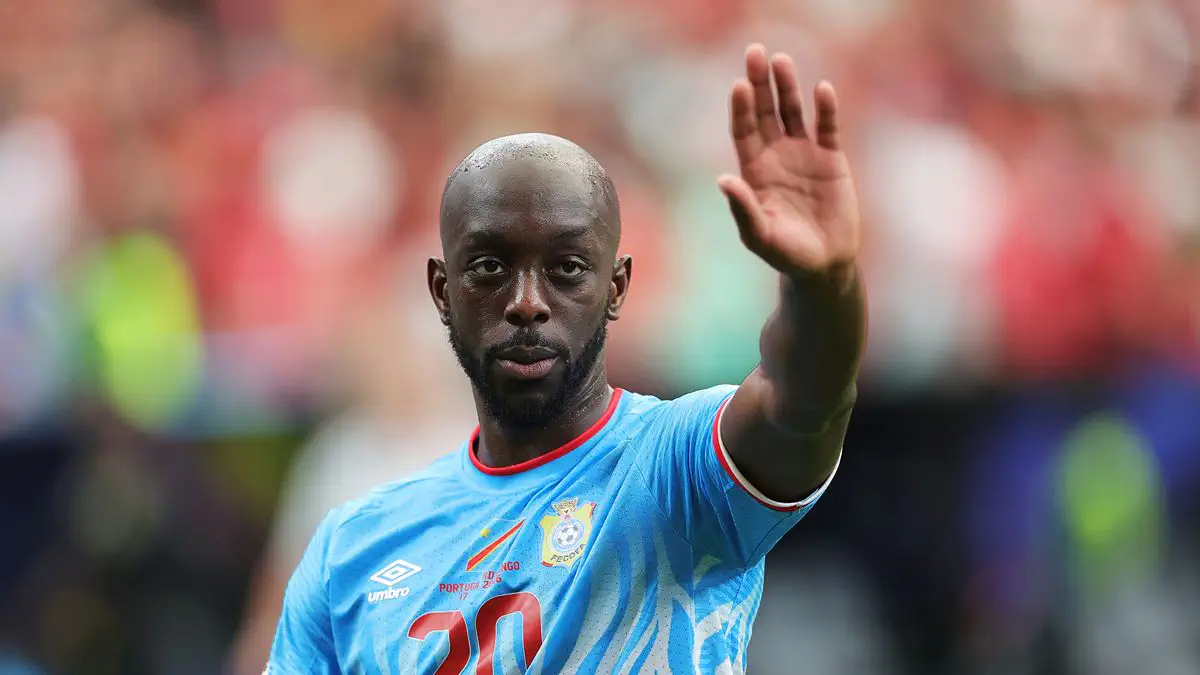
The most controversial member of the main top ten is probably DR Congo forward Yoane Wissa.
After an outstanding 2024/25 season at Brentford, when he scored 19 Premier League goals, the player moved to Newcastle.
But injuries ruined his debut season at the new club.
In the 2025/26 English league season, Wissa made 19 appearances, starting only four of them, and scored 1 goal.
At the start of the 2026/27 campaign, the situation did not change dramatically: he also scored once in his first nine Premier League matches.
So, across two incomplete seasons after joining Newcastle, the striker had only two goals in the English top flight.
Why, then, did he find himself among Africa's best footballers?
The main argument is his performance for DR Congo at the World Cup, where Wissa scored three goals. It is certainly a significant achievement, especially given the Congolese side's historic qualification for the tournament.
But are a few successful matches at international level enough to earn a nomination if a player barely scored for most of the club season?
The comparison with Osimhen is particularly painful. One delivered consistently, won a league title and scored four goals at AFCON. The other endured a difficult club season but made the top ten thanks to the World Cup.
It seems that, for CAF, participation in the World Cup became perhaps the most important selection criterion.
Amad Diallo — why him and not Yan Diomande?
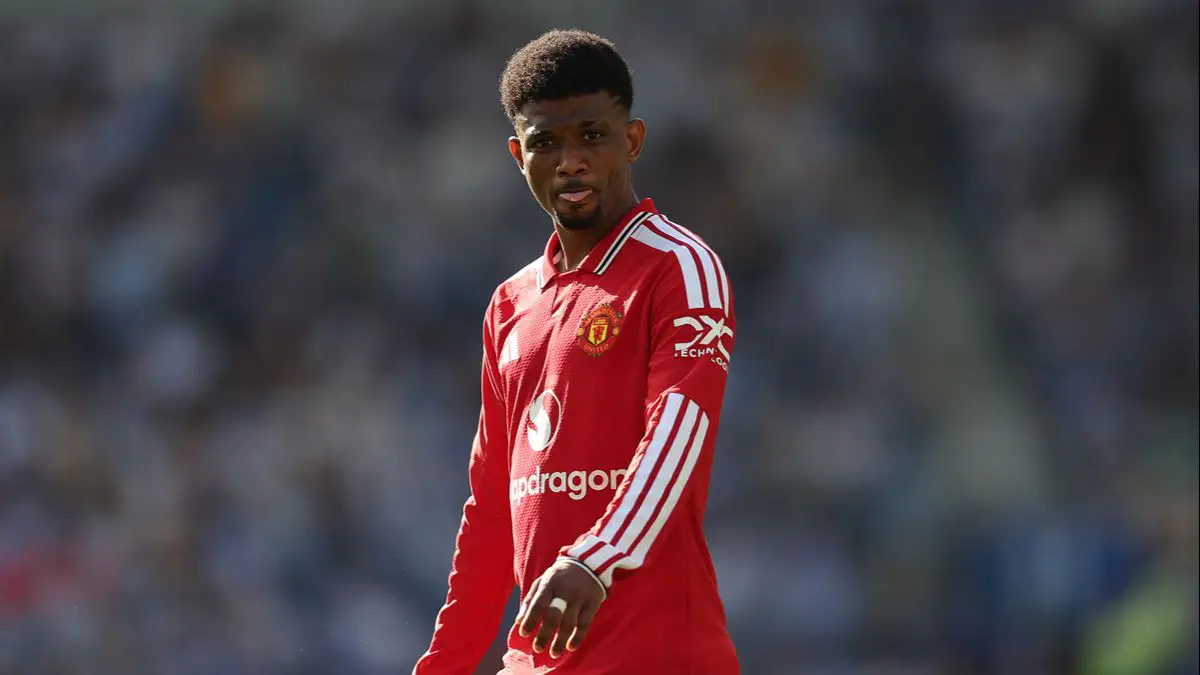
Another debatable candidate is Manchester United winger Amad Diallo.
It cannot be said that the Ivorian did nothing to earn his nomination. He scored 3 goals at the Africa Cup of Nations, added 2 goals at the World Cup and gradually became an important Manchester United player.
However, his club statistics are inferior to those of many African footballers who were left off the list.
The situation involving his compatriot Yan Diomande is particularly telling.
While Amad recorded 5 goals and 4 assists in club competitions during the 2025/26 season, Diomande had 12 goals and eight assists in the Bundesliga alone.
Furthermore, the younger Ivorian has already made his mark at Real Madrid.
This does not mean that Amad deserves no recognition. But when one player makes the main top ten and another is listed only in the youth category, the question naturally arises: what criteria were used to assess them?
Individual awards should recognise achievements, not a player's status in a particular age category.
Teboho Mokoena — an African Champions League hero, but one of the continent's ten best?
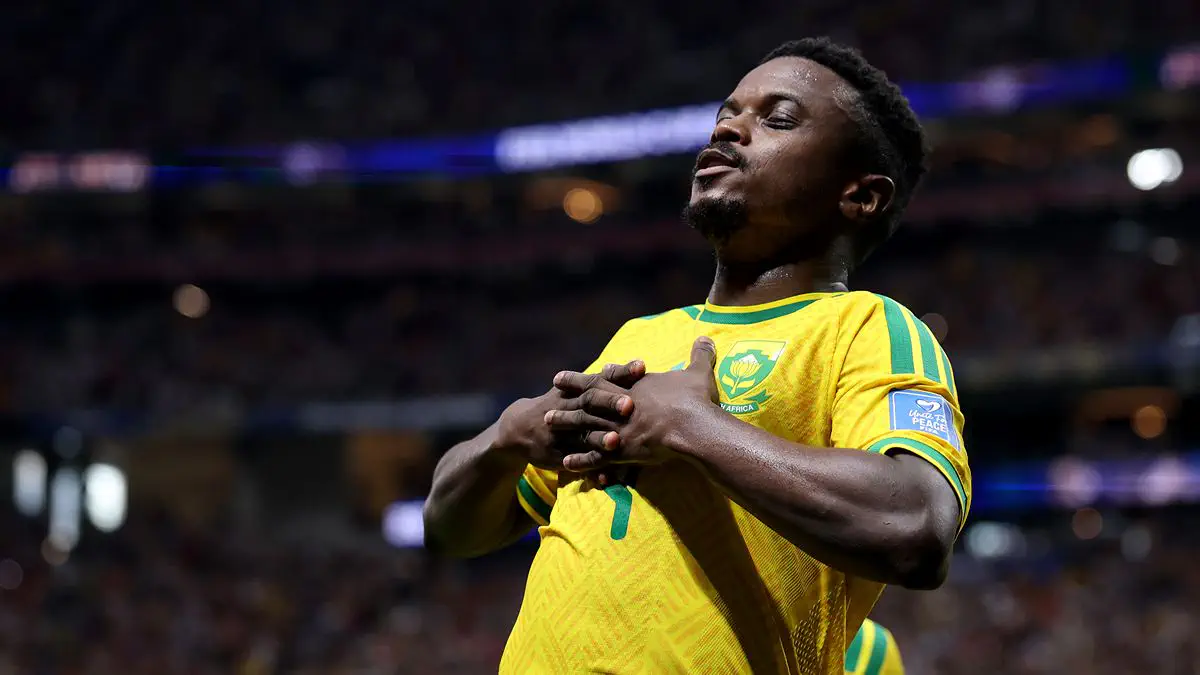
South African midfielder Teboho Mokoena received two nominations: for African Player of the Year and African Interclub Player of the Year.
And the second one looks entirely logical.
In May 2026, Mokoena helped Mamelodi Sundowns win the CAF Champions League. It was his goal in the second leg of the final against Moroccan side AS FAR that proved decisive in the battle for the trophy.
It was a major achievement and one that deserves recognition.
But does it automatically make Mokoena one of the ten best footballers on the entire continent?
This is where an interesting problem with the criteria emerges.
On the one hand, CAF rewards footballers for their performances at the World Cup. On the other, it includes a representative of African club football in the main top ten, despite already having a separate award specifically for such players.
Meanwhile, Osimhen, with dozens of goal contributions, Guirassy, with goals in the Bundesliga and Champions League, and Diomande, after a brilliant European season, remain outside the main nomination.
Mokoena deserved recognition for his performances. But his presence on the main list highlights how inconsistent CAF's selection logic can appear.
Pape Thiaw — CAF suspended the coach, then nominated him for the top award
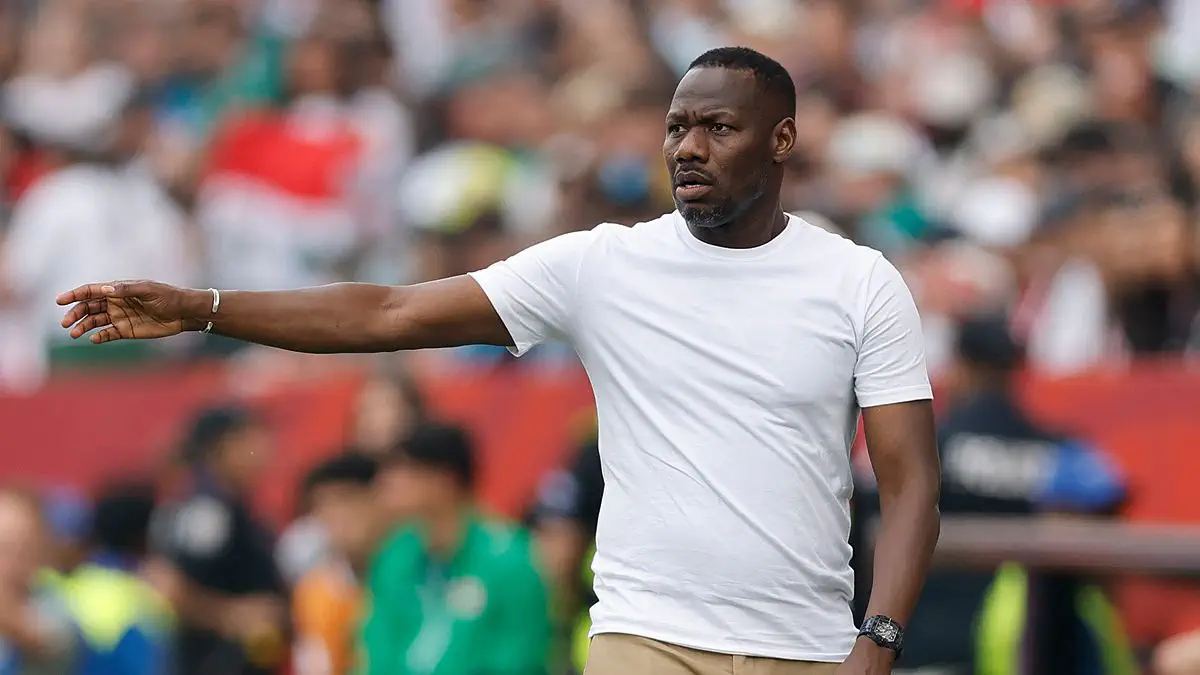
If the debate among players revolves around goals, assists and the strength of leagues, the coaching category is even more intriguing.
Former Senegal head coach Pape Thiaw was nominated for the 2026 African Coach of the Year award.
And this is the same man CAF suspended for five official matches in January and fined $100,000.
The punishment followed the coach's conduct in the Africa Cup of Nations final against Morocco.
As a reminder, with the score at 0:0 in stoppage time, the referee awarded Morocco a penalty. Thiaw instructed his players to leave the pitch in protest.
After a lengthy pause, Sadio Mané persuaded his teammates to return. Brahim Díaz missed the penalty, while Pape Gueye scored the winner in extra time. Senegal won 1:0.
But the story did not end there.
In March, CAF reviewed the result of the final, awarding Senegal a 0:3 forfeit defeat and crowning Morocco champions.
The Senegalese federation appealed the decision to the Court of Arbitration for Sport (CAS). As of early November 2026, there is still no final verdict; it is expected at the end of the month.
In other words, CAF first punished Thiaw for conduct that ultimately led to his national team being stripped of the title by a decision from the confederation itself, and then included the coach among the ten best on the continent.
It should also be noted that Senegal were eliminated in the round of 32 at the World Cup, while in August Thiaw was replaced as head coach by Patrick Vieira.
Of course, the Senegalese coach deserves respect for beating Morocco on the pitch. But considering the disciplinary scandal, the World Cup result and the subsequent change in coach, his nomination looks highly debatable.
Especially when compared with the absence of Eric Chelle.
Walid Regragui — a nomination for three months of work?
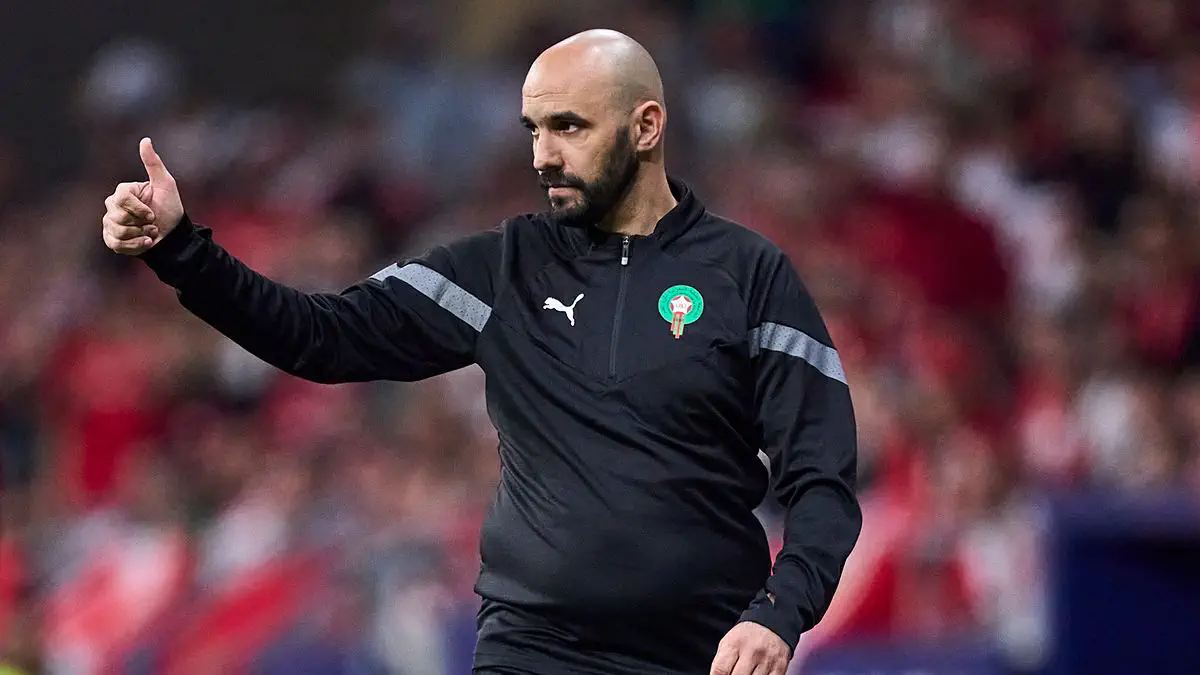
Walid Regragui's situation is no less interesting.
The former Morocco head coach also made the top ten coaches of the year, even though he left his post on March 5, 2026.
In fact, his main achievement during the award period was reaching the final of the home Africa Cup of Nations.
Yes, that is a significant result. Moreover, under CAF's current ruling, Morocco are considered the tournament winners, although the title remains subject to legal proceedings.
However, after Regragui's departure, Mohamed Ouahbi took charge and led Morocco to the quarter-finals of the 2026 World Cup. He also received a coaching nomination.
Thus, CAF included two coaches from the same national team in the top ten, even though they worked during different parts of the year.
Formally, there is no violation here. But if there are only ten places on the list, should two of them go to coaches from the same national team while other candidates are ignored?
Especially considering that Regragui was not in charge of Morocco at the year's biggest football tournament.
So were the 2026 CAF Awards really rigged?
Of course, there is no evidence that the organisers deliberately falsified the nominations or that someone paid for a place on the list. And the nominations themselves do not guarantee victory: the final winners will be determined later.
At the same time, there are genuinely plenty of questions about CAF's approach.
Why did Wissa receive a nomination with two goals for Newcastle across two seasons, while Osimhen with dozens of goal contributions did not? Why is Diomande, who became the most expensive African player in history after a brilliant season, considered good enough only for the youth award? Why did the three players from Nigeria named in the AFCON Team of the Tournament not deserve a single place in the main top ten?
Individual decisions can be explained by the importance of the World Cup, club trophies or individual performances. The problem is that these criteria seem to apply differently depending on the player.
And perhaps most tellingly, the 2026 CAF Awards will take place at a time when the confederation itself still does not have a final answer to the question of who should actually be considered the champions of Africa after the latest AFCON.
While the players compete on the pitch, African football continues to create scandals off it that sometimes overshadow the game itself.
 Steven Perez
Dailysports's expert