
From World Cup deportation to the UEFA Super Cup: the incredible story of Omar Artan
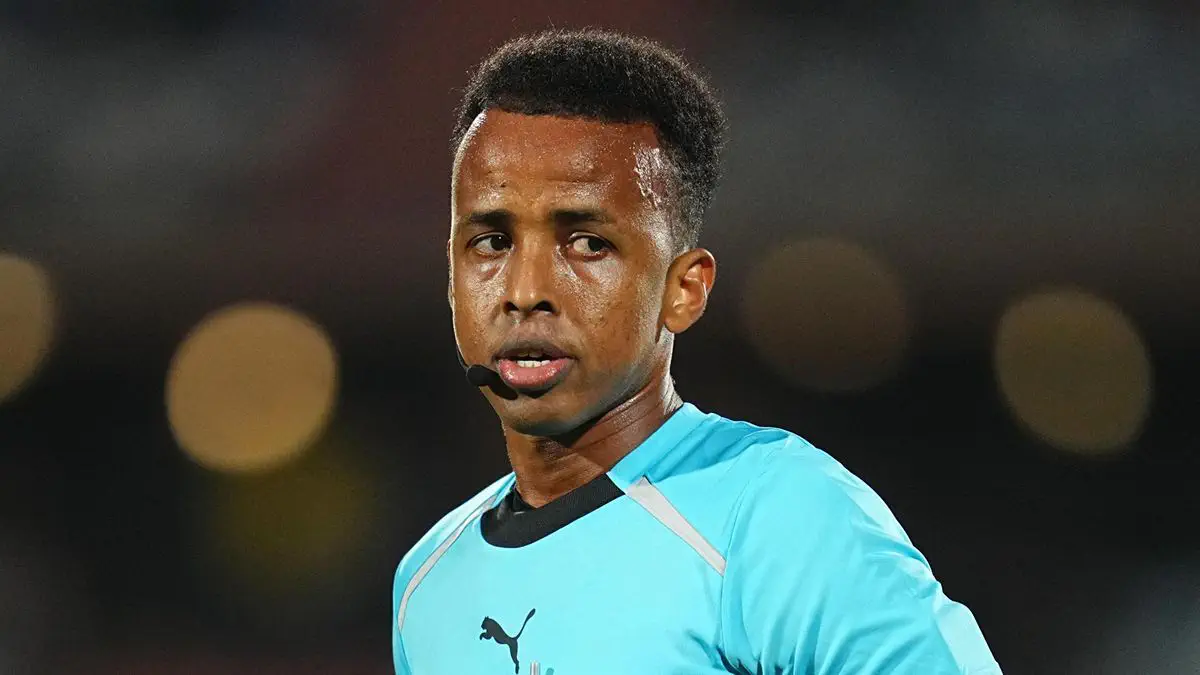


Just two months ago, the dream of Africa’s top referee to make his World Cup debut was shattered at Miami airport. Tomorrow, Omar Artan will step onto the field in Salzburg, becoming the first non-European referee ever to officiate the UEFA Super Cup. The 34-year-old Somali’s journey to this match has been more dramatic than any football script.
On the evening of August 12 at Stadion Salzburg, Champions League winners Paris Saint-Germain and Europa League holders Aston Villa will square off. For both clubs, it’s a shot at the first European trophy of the new season. But the man with the whistle has already carved his name into history, no matter the result.
The main referee for the match is 34-year-old Omar Abdulkadir Artan from Somalia—the first representative from a non-European confederation to be trusted with the UEFA Super Cup. What’s more, this will be his first ever match in Europe.
Just a few months ago, such a twist seemed almost impossible. Artan was preparing to fulfill the biggest dream of his career—to become the first Somali referee at a World Cup. Instead, his journey to the 2026 World Cup ended at US passport control.
Two months after one of the toughest days of his life, he’ll be officiating a match for a European trophy.
A tough childhood and the first backyard matches
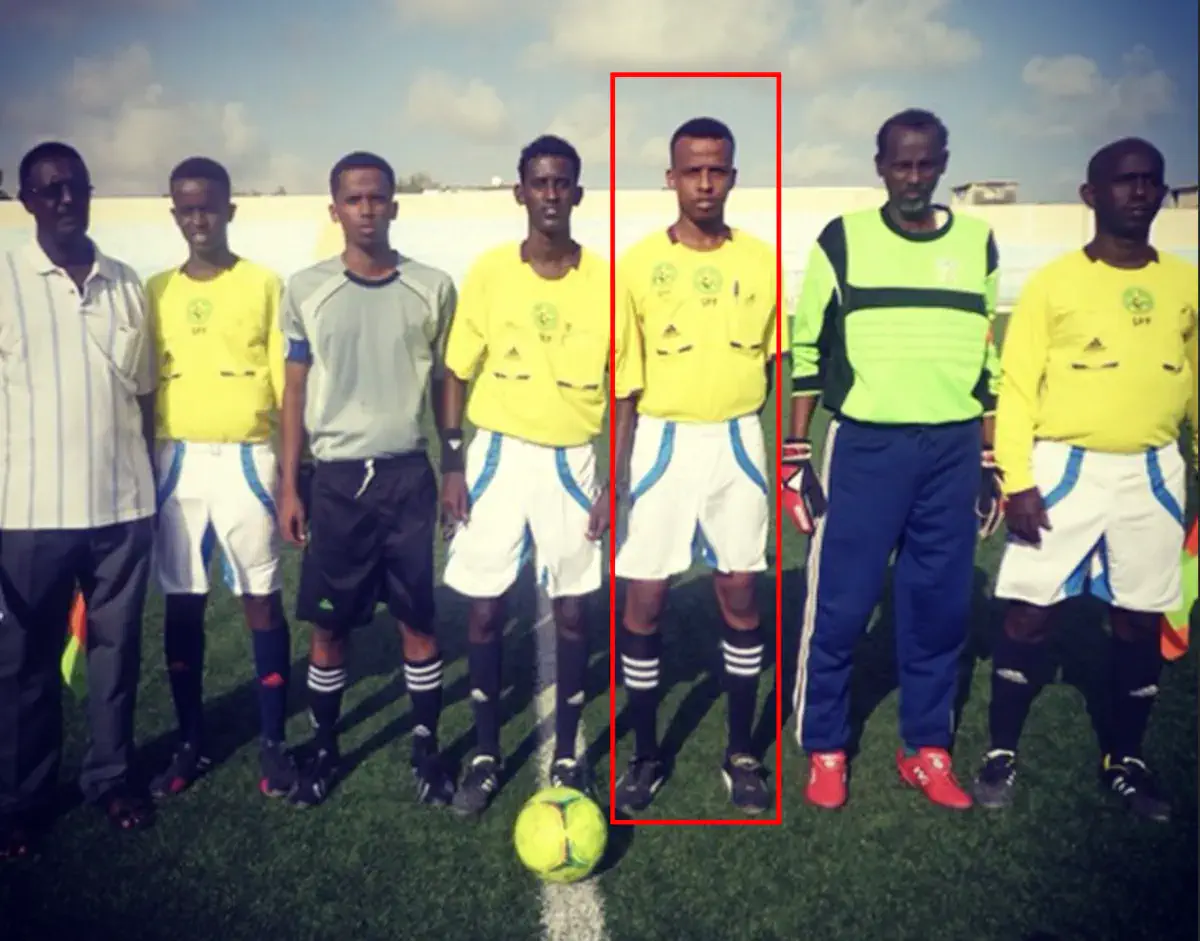
Artan’s story is remarkable, even by the standards of those who’ve had to fight their way into professional sports.
He grew up in extremely tough conditions. Omar’s father passed away while he was still a child, and he spent much of his youth living apart from his mother. Later, Artan would admit that his upbringing was difficult, but he never intended to abandon his goals.
Football first attracted him as a player. However, a minor injury nudged Omar in a different direction. Instead of pursuing a professional playing career, he became increasingly interested in refereeing.
It all began as far from Champions League stadiums as you can imagine: small local matches, school games, local tournaments. Gradually, the level increased, and Artan reached the Somali Premier League.
Given the decades of instability that Somali football has endured, even a referee breaking out of the local system onto the international scene was an achievement. But Omar didn’t stop there.
In 2018, he was added to FIFA’s international list of referees. That marked the start of a near-continuous string of barrier-breaking achievements: more and more often, the word "first" could be used before Artan’s next milestone.
The first Somali at the Africa Cup of Nations, a Champions League final, and a FIFA tournament
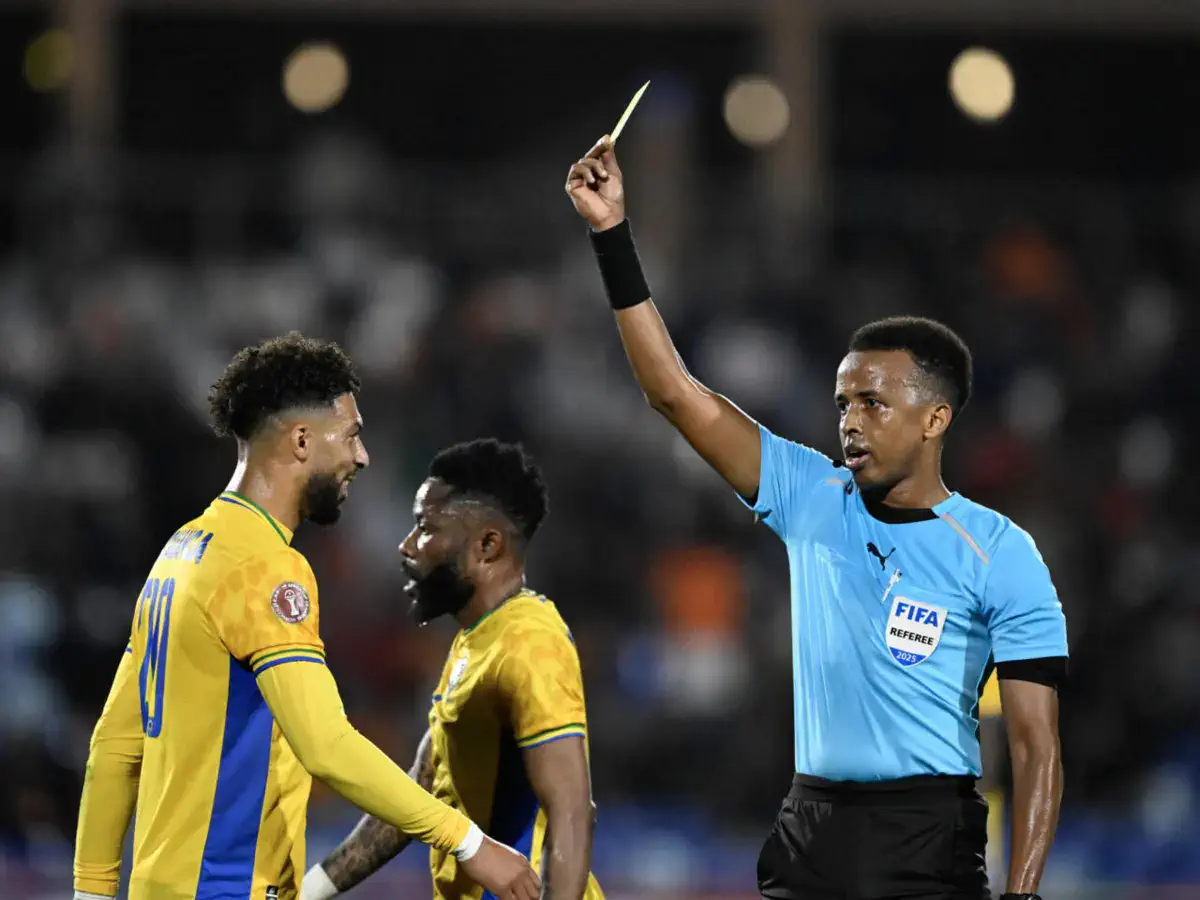
The next major milestone came in 2024. Artan became the first Somali referee to work at the Africa Cup of Nations.
And then his career took off.
In 2025, he became the first Somali official entrusted with the final of Africa’s top club competition—the CAF Champions League. By year’s end, the recognition was official: Artan was named CAF Men's Referee of the Year, crowned the continent’s top male referee.
That same year, he gained invaluable FIFA experience. At the U-20 World Cup in Chile, the Somali official reached the tournament’s decisive stages and was appointed main referee for the third-place match between Colombia and France.
By spring 2026, Artan was seen not just as a historic figure for Somali football, but as one of Africa’s top active referees.
On May 24, he was handed the second leg of the CAF Champions League final between Morocco’s AS FAR and South Africa’s Mamelodi Sundowns. The teams drew 1-1 in Rabat, giving Sundowns a 2-1 aggregate victory and the African title. UEFA even highlighted this final as one of Artan’s most significant appointments.
The next stop was supposed to be the World Cup.
A World Cup dream and a few hours in Miami that changed everything
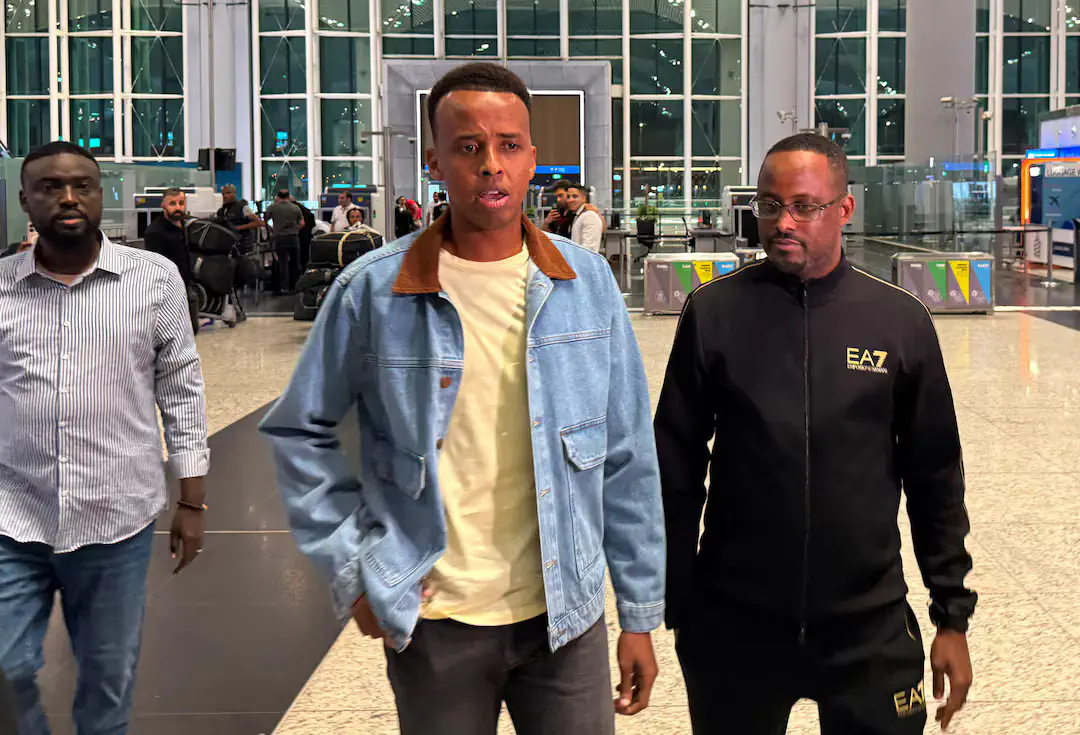
FIFA included Omar Artan in the list of referees for the 2026 World Cup in the USA, Canada, and Mexico.
For Somalia, this was historic: never before had anyone from the country been given the chance to officiate at football’s biggest tournament.
But Artan never made it to the pitch.
On June 6, he landed at Miami International Airport from Istanbul to join other referees ahead of the tournament. According to Reuters, the Somali had a valid US visa. However, after further checks, US Customs and Border Protection denied him entry.
Initially, the US authorities simply cited issues found during screening. Later, a US official alleged that Artan had links to individuals suspected of terrorist affiliations. No further details of these claims were made public.
The matter of documents also came under scrutiny. Somali government and football federation officials claimed Artan was issued a diplomatic passport for his World Cup trip. A US official, however, told Reuters that the referee did not present a diplomatic passport when trying to enter the country.
Regardless, the decision was final.
FIFA confirmed: after being denied entry, Artan would not participate in the referee preparations or officiate at the 2026 World Cup. The federation stressed that the host nation always has the final say on admitting foreign officials.
And so, a man who had spent years working toward the World Cup lost his chance just a few kilometers from his goal.
Not oblivion, but a hero’s welcome in Mogadishu

Returning home could have been one of the darkest moments of Artan’s career.
The opposite happened.
In Mogadishu, he was greeted as a national hero. Thousands gathered at the stadium, where the referee appeared as an honored guest. Fans waved flags and held photos of Artan, showing that the US decision hadn’t changed his status in Somalia.
He met with Prime Minister Hamza Abdi Barre, who called the referee’s achievements an inspiration for millions.
Artan himself spoke without bitterness. He called the events fate, thanked his supporters, and urged Somali youth never to lose hope.
Later, ahead of the Super Cup, he would admit: that period was incredibly tough. When you spend years working toward a goal, only to have it taken away for reasons beyond your control, it’s a hard pill to swallow.
But then came a twist that made Artan’s story truly unique.
UEFA extended a hand—but it wasn’t just about sympathy

On June 11, just days after the World Cup controversy, UEFA announced: Omar Artan has been appointed main referee for the 2026 UEFA Super Cup.
From the outside, this could have looked like a gesture of support after what happened in the US. But officially, the appointment had a broader context.
That spring, UEFA and CAF signed a new cooperation memorandum, with referee development and experience exchange as key areas. As part of this agreement, the European body invited one of Africa’s top referees to the Super Cup.
UEFA President Aleksander Čeferin specifically praised Artan’s professionalism, calling him young but already very experienced, and highlighting his proven quality at CAF’s biggest events.
In other words, the Super Cup was far from just a "consolation prize." By then, the Somali was already Africa’s top referee, a CAF Champions League final official, and a FIFA tournament participant.
Still, the symbolism was impossible to ignore.
In one case, a national border stopped him days before the world’s biggest tournament. In another, a football confederation opened the door to a competition where no non-European head referee had ever worked before.
First match in Europe—and it’s the UEFA Super Cup

The most astonishing thing is the scale of Artan’s European debut.
He’s not starting out with a Europa Conference League qualifier, a youth match, or a mid-level game.
His first official match in Europe is the UEFA Super Cup.
On August 12 in Salzburg, Artan will lead out Champions League winners Paris Saint-Germain and Europa League holders Aston Villa. Kick-off is at 21:00 Central European Summer Time.
PSG will try to win the trophy for the second year running: in 2025, the Parisians came back from 0-2 against Tottenham and won on penalties. Aston Villa’s only Super Cup triumph was back in 1982, when they beat Barcelona over two legs.
Artan will be assisted by other African referees: Liban Abdourazak Ahmed from Djibouti and Steven Eleazar Onyango Yembe from Kenya. Italian Marco Di Bello will be on VAR, joined by Spanish assistant Guillermo Cuadra Fernandez, while Slovenia’s Rade Obrenović will be the fourth official.
He didn’t stop refereeing after the World Cup
After the June ordeal, Artan didn’t let missing the World Cup knock him off his professional stride.
He continued officiating in the Somali Premier League, and at the end of June received another unusual assignment—taking charge of the season’s decisive match in the Kuwait Premier League. There, too, he became a trailblazer.
Artan is preparing for PSG–Aston Villa just as he does for any major appointment.
According to Artan, the work of a modern referee starts long before the opening whistle. He studies his future teams, their tactical tendencies, player behavior, and signature incidents. He already follows European football closely, but ahead of the Super Cup, his analysis became even more focused.
And that’s especially crucial given the caliber of the teams and the pressure awaiting him in Salzburg.
On the pitch will be dozens of world-class footballers. At stake—a major international trophy. The referee team’s every decision will be watched by millions.
And for the main referee, it’ll be his first night on the job in Europe.
Two months that changed a career
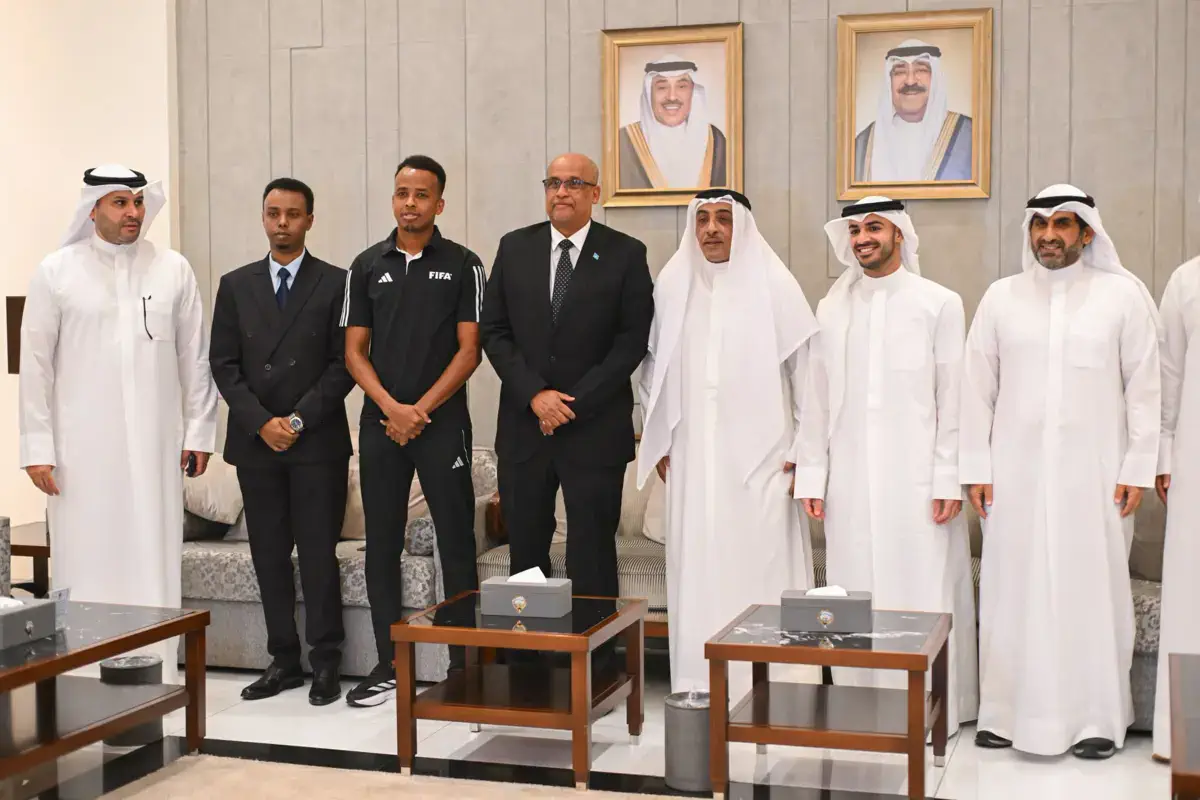
On May 24, Omar Artan refereed the CAF Champions League final in Rabat.
In early June, he traveled to the USA, hoping to become the first Somali referee at a World Cup.
On June 6, he was stopped in Miami.
A few days later, FIFA officially confirmed his World Cup was over before it began.
On June 11, UEFA announced his Super Cup assignment.
And on August 12, he’ll become the first non-European referee to lead teams out for this trophy match.
Rarely do referees experience stories that outshine those of the players. Omar Artan’s journey is an exception.
From a boy starting out with small matches in Somalia, he became Africa’s best referee. The first Somali at the Africa Cup of Nations, the first at a CAF Champions League final, the first at a World Cup, and now the first non-European in the UEFA Super Cup.
Yes, the dream of the 2026 World Cup was taken from him by circumstances beyond his control on the pitch. But just two months later, another door opened for Artan.
Now, his advice to aspiring referees rings truer than ever:
“Never stop dreaming.”
On August 12 in Salzburg, Omar Artan will take the whistle, walk to the center circle, and start the match between PSG and Aston Villa.
After everything that happened this summer, for him, this will be much more than just another refereeing appointment.
 Steven Perez
Dailysports's expert
Steven Perez
Dailysports's expert