From De Miguel to Puerta: footballers who died on the pitch
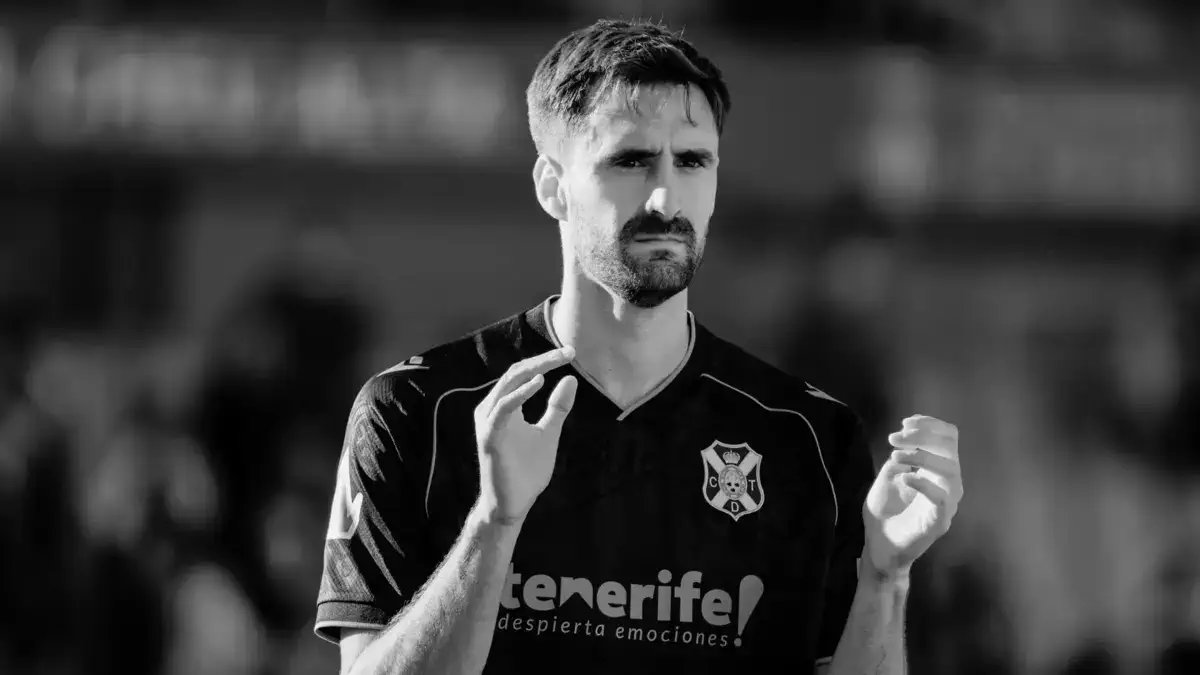


The death of 30-year-old Tenerife striker Jesús de Miguel has once again brought back memories of the darkest tragedies in football. We remember the players whose lives were cut short by collisions, serious injuries and sudden cardiac arrests during matches.
On November 3, 2026, Spanish football was rocked by terrible news. Tenerife confirmed the death of its 30-year-old striker Jesús de Miguel, who had suffered a serious injury the previous day in a match against Andorra.
The incident occurred late in the game, when de Miguel collided with Andorra goalkeeper Jesús Owono. The striker lost consciousness and later suffered cardiac arrest. Doctors fought for the footballer's life, but were unable to save him.
Following the tragedy, the Royal Spanish Football Federation postponed the Copa del Rey and Women's Copa de la Reina matches scheduled for November 3.
Unfortunately, de Miguel's story is far from the first case in which an ordinary football match ended with the death of one of its participants.
One need only recall Sevilla legend Antonio Puerta, Cameroonian Marc-Vivien Foé or Ukrainian goalkeeper Serhiy Perkhun. All of them stepped onto the pitch unaware that the match would be the last of their lives.
At the same time, the circumstances of these tragedies differed significantly. Some footballers suffered fatal injuries after collisions with opponents, while others lost their lives because of heart problems that may have shown no signs until the fatal moment.
We remember the best-known cases of this kind in football history. It is important to note that not all of the players died directly on the pitch: some passed away hours, days or even weeks after suffering injuries during a match.
- Also read: Fabian Hürzeler: The 33-year-old genius who snubbed Man United and could lead Brighton to the title
Fatal collisions and injuries on the football pitch
Jesús de Miguel (Spain, 2026) — the tragedy that rocked Tenerife
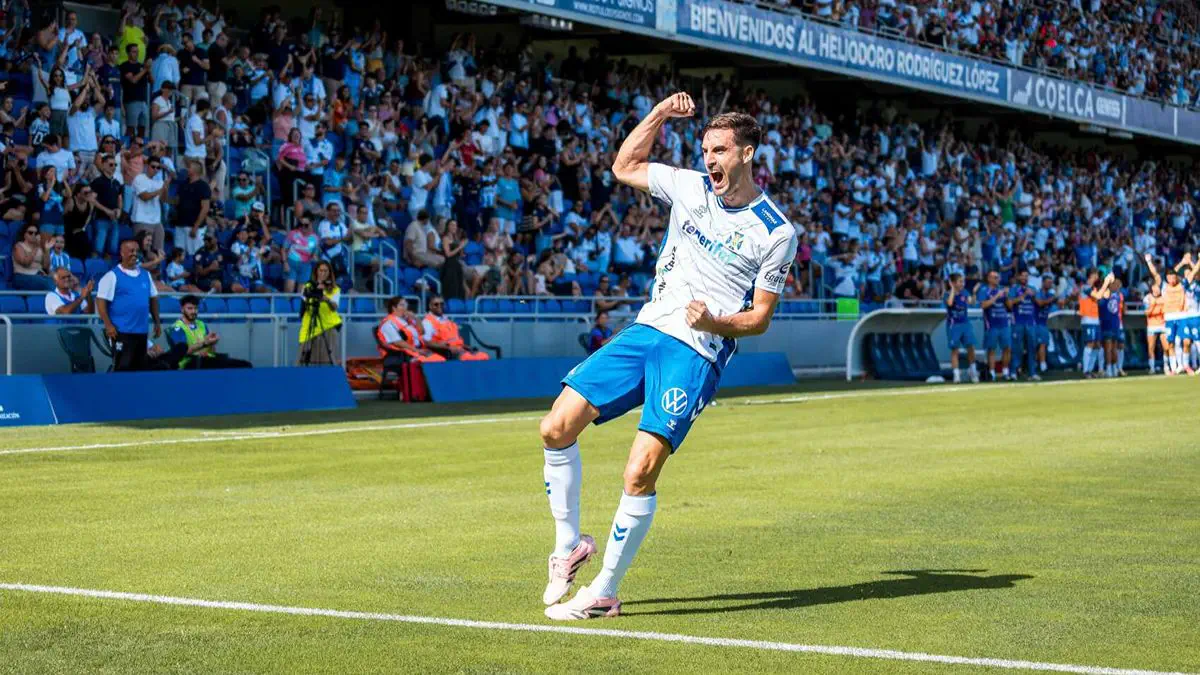
On November 2, 2026, Tenerife hosted Andorra in a Spanish second-division match. Late in the game, with the score at 2-2, an incident overshadowed everything that had happened on the pitch before it.
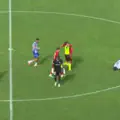
Jesús de Miguel chased a long pass, trying to reach the ball before his opponent. Andorra goalkeeper Jesús Owono ran out to meet him, leaving his penalty area to stop the attack.
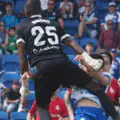
As they challenged for the ball, the goalkeeper collided with the striker, striking him in the upper body with his knee. De Miguel fell to the ground and lost consciousness.
The referee sent Owono off, but the sporting aspect of the incident immediately became secondary.
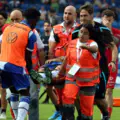
Medical staff treated the footballer on the pitch before he was rushed to hospital. During the journey, the striker suffered cardiac arrest. Medics managed to resuscitate him, but his condition remained critical.
The match was never completed. Tenerife initially reported that the player was in intensive care. However, the worst news arrived the following morning.
At 8:00 a.m. on November 3, Jesús de Miguel died at the age of 30.
The tragedy prompted an outpouring of condolences across Spanish football. For Tenerife, this was not simply the loss of a player — the club and its supporters were saying goodbye to a man who had only the day before walked onto the pitch in their shirt.
Raúl Ramírez (Spain, 2025) — the goalkeeper who was only 19
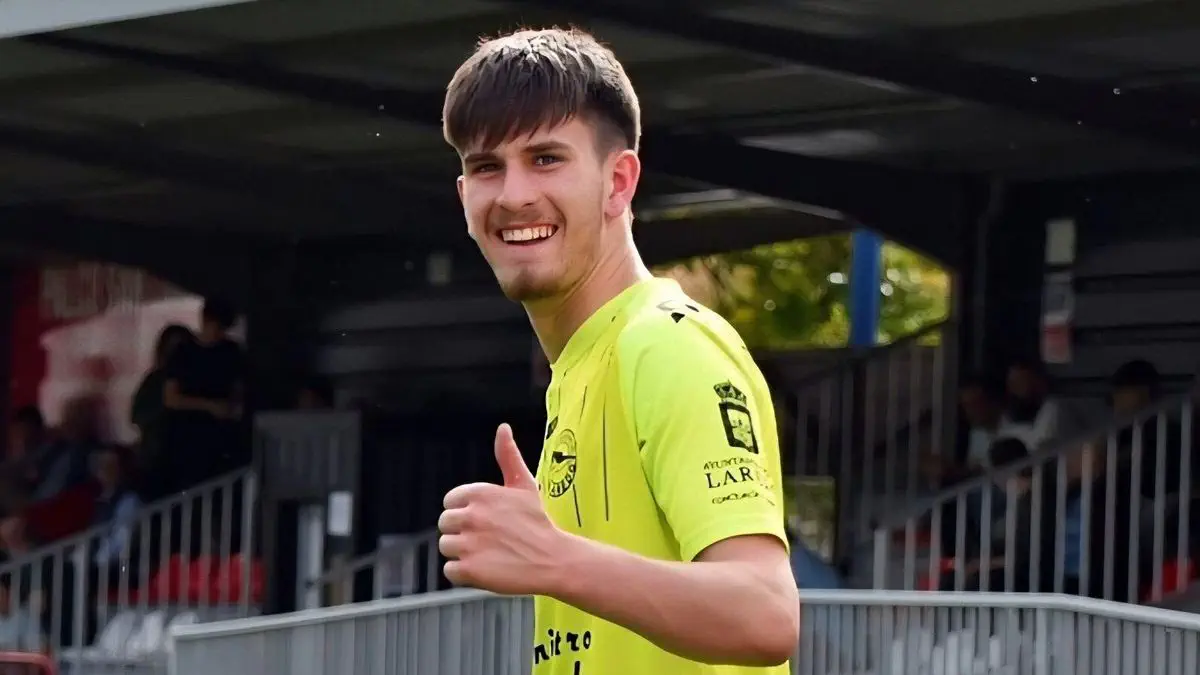
In September 2025, Spain experienced a similar tragedy.
Nineteen-year-old Raúl Ramírez was in goal for Colindres, a Cantabrian club competing in the fourth tier of Spanish football.
On September 27, during a match against Revilla de Camargo, the young goalkeeper collided with an opponent and suffered a powerful blow to the head.
The situation quickly became critical. Ramírez suffered cardiac arrest on the football pitch. Medics managed to restore his heartbeat, but he suffered a second cardiac arrest on the way to hospital.
The footballer was admitted to the intensive care unit at Valdecilla Hospital in Santander. Despite the doctors' efforts, he died on September 29.
Ramírez's story was especially painful because of his age. The goalkeeper was only beginning his senior career, with years of football seemingly ahead of him.
Emanuel Ortega (Argentina, 2015) — a fatal collision with a concrete wall
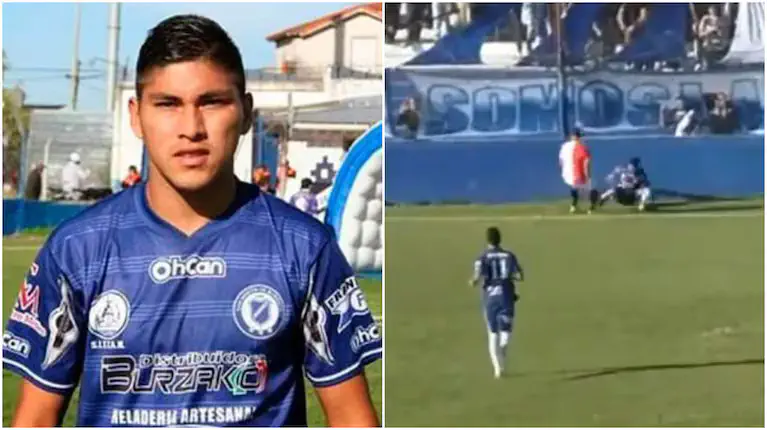
On May 3, 2015, 21-year-old Argentine defender Emanuel Ortega was playing for San Martín de Burzaco in a fourth-division match against Juventud Unida.
Late in the first half, he challenged an opponent for the ball near the touchline. After the physical contact, Ortega lost his balance and went beyond the field of play, where he crashed headfirst into a concrete wall separating the pitch from the stands.
The problem was that the wall stood approximately one meter from the touchline. It had no protective padding that could have softened the impact.
The footballer suffered a double skull fracture and severe traumatic brain injury. He was rushed to hospital, where doctors later performed surgery in an attempt to save the young defender's life.
Ortega remained in critical condition over the following days. On May 14, 11 days after the collision, he died.
At the time of the tragedy, Ortega's registration belonged to Banfield, while he played for San Martín de Burzaco on loan.
Ortega's death caused an enormous reaction in Argentina. The national football association postponed all matches scheduled for the following weekend, while the tragedy sparked a wide-ranging debate about stadium safety.
Argentine clubs were subsequently ordered to install protective mats on concrete structures located near the pitch.
Ortega's story became a horrifying example that fatal danger can come not only from opponents' actions, but also from the stadium infrastructure itself.
Akli Fairuz (Indonesia, 2014) — a goalkeeper's kick that caused fatal internal injuries
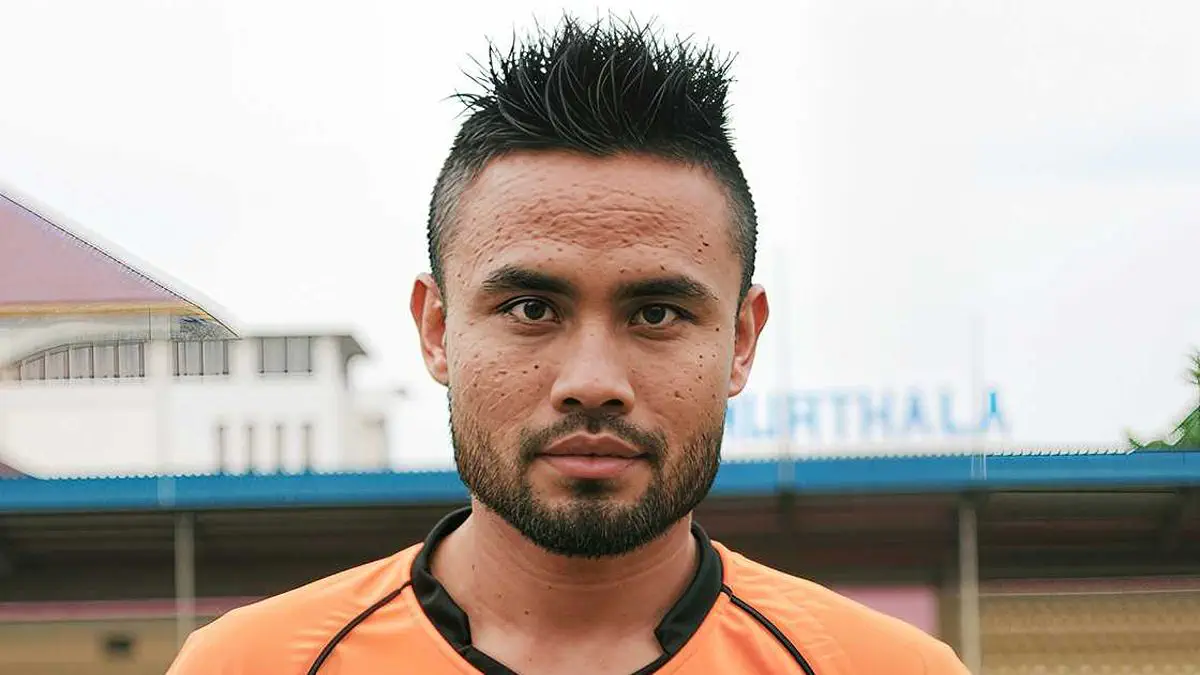
The story of Indonesian striker Akli Fairuz is one of the most disturbing examples of how dangerous injuries can be even when they initially appear non-fatal.
On May 10, 2014, Fairuz, who played for Banda Aceh club Persiraja, took part in a match against PSAP Sigli.
During a challenge for the ball, the striker collided with opposing goalkeeper Agus Rahman. The goalkeeper struck the footballer in the stomach with his foot.
Fairuz received treatment, left the field and even watched the game from the bench for some time. However, his condition gradually deteriorated.
After he was hospitalized, doctors discovered serious internal injuries, including a ruptured bladder.
On May 22, almost two weeks after the collision, the striker died.
Goalkeeper Agus Rahman later expressed his regret over what had happened, explaining that both players had been contesting a loose ball.
The tragedy showed that the absence of immediate loss of consciousness, or the ability to leave the field unaided, does not mean there is no serious threat to life.
Peter Biaksangzuala (India, 2014) — a fatal goal celebration
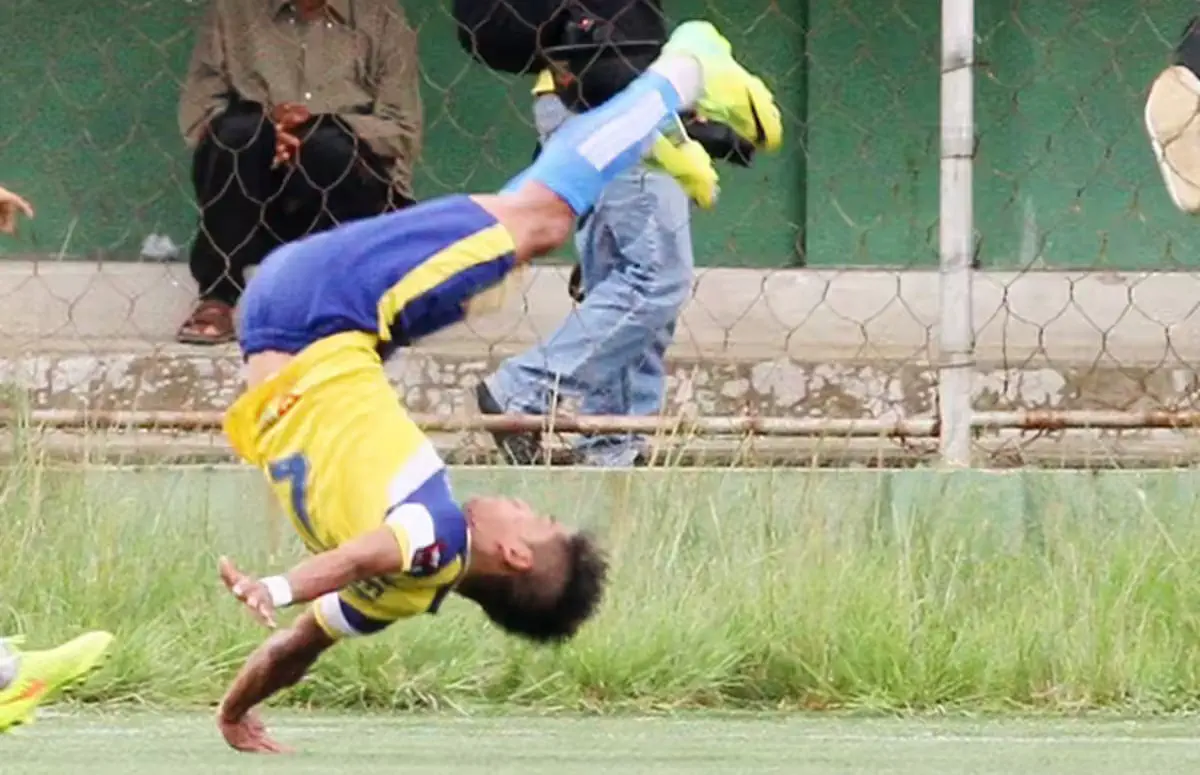
Unlike most of the players in this selection, 23-year-old Indian footballer Peter Biaksangzuala did not collide with an opponent. His fatal injury was the result of an ill-fated goal celebration.
On October 14, 2014, the Bethlehem Vengthlang midfielder scored in a regional Mizoram league match against Chanmari West.
The goal brought his team level. Overwhelmed by emotion, the footballer decided to celebrate with a series of acrobatic somersaults.
One of them ended in disaster.
Peter landed awkwardly on his head and neck, suffering a serious spinal and spinal-cord injury. At first, his teammates did not realize how serious the situation was, but they quickly called for medical assistance.
The footballer was hospitalized. Doctors performed surgery in an attempt to save his life, but Biaksangzuala died on October 19.
His club decided to retire the number 21 shirt forever.
This is one of the most unusual tragedies in football history. An act that usually symbolizes pure joy proved fatal.
Serhiy Perkhun (Ukraine, 2001) — the goalkeeper who is still remembered
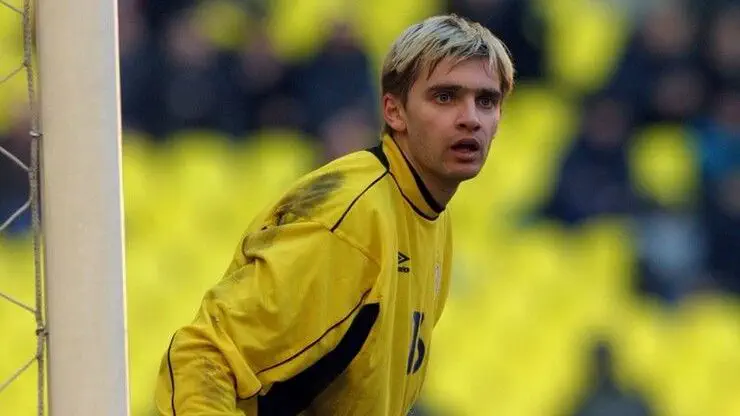
Perkhun was born in Ukraine, in the city of Dnipro. He came through the local Dnipro academy and was considered an exceptionally promising goalkeeper. At 16, he had already made his debut in Ukraine's top division, becoming the youngest goalkeeper in the history of the competition at the time.
In 2001, the Ukrainian was playing for Moscow club CSKA, where he quickly secured a place in the starting lineup.
On August 18, during a match against Anzhi Makhachkala, Perkhun came off his line to meet striker Budun Budunov, attempting to intercept the ball.
The goalkeeper and the forward collided headfirst. Both players were injured, but the consequences for the Ukrainian proved far more devastating.
After the collision, Perkhun needed medical attention. His condition later deteriorated sharply, and cerebral edema developed. The goalkeeper was taken to Moscow, where doctors fought for his life for several days.
On August 28, 2001, Serhiy Perkhun died at the age of 23.
He made just 13 official appearances for CSKA and one for the Ukraine national team.
In Dnipro, the memory of the goalkeeper has endured for decades. Supporters raised funds for a monument to the footballer who was destined to become a symbol of unfulfilled talent.
José Antonio Gallardo (Spain, 1987) — a tragedy whose consequences did not appear immediately
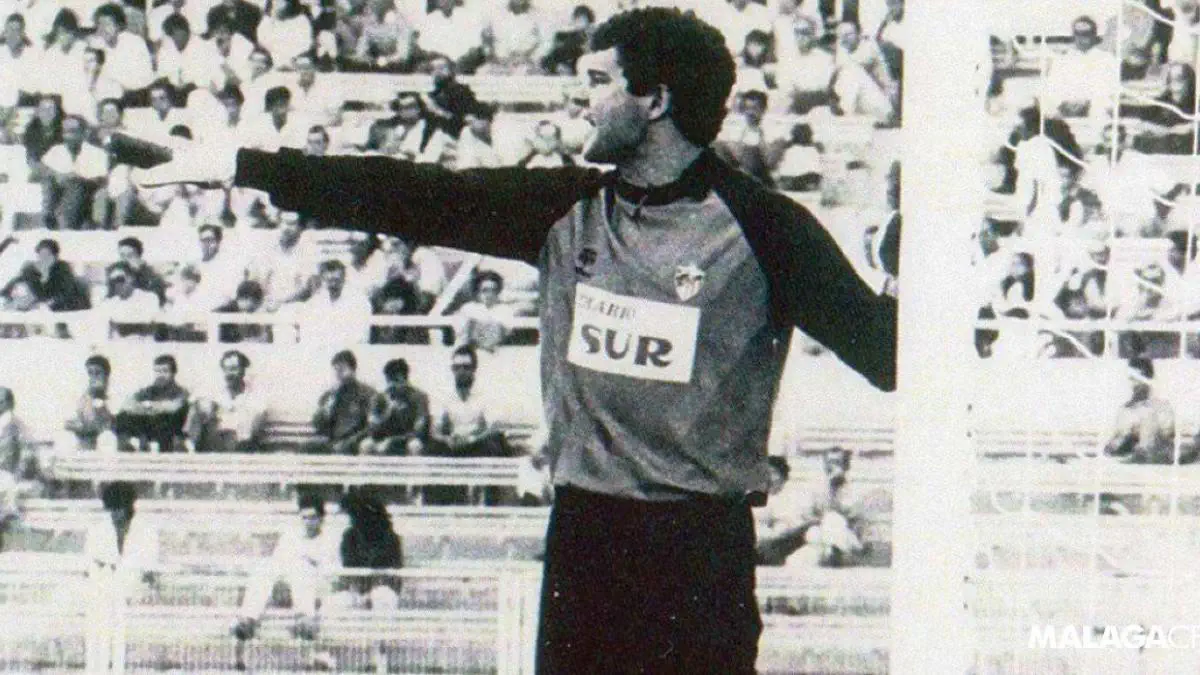
José Antonio Gallardo was regarded as a promising Spanish goalkeeper and played for Málaga.
On December 21, 1986, during a match against Celta at Balaídos, the goalkeeper collided with home striker Baltazar.
Gallardo suffered a blow to the head. He was substituted and hospitalized, but several days later, on December 24, he was discharged and returned to Málaga.
It seemed the worst was behind him.
However, on January 7, 1987, the goalkeeper was rushed back to hospital. Eight days later, on January 15, he died after suffering cardiac arrest.
Gallardo never had the chance to fulfill his potential. At the time of the tragedy, he was establishing himself in Málaga's starting lineup and producing strong performances.
After his death, Spanish newspaper Marca posthumously awarded him the Zamora Trophy for the best statistics among goalkeepers.
His memory also lives on at Málaga's home stadium, La Rosaleda, where entrance No. 13 was named after him.
John Thomson (Scotland, 1931) — tragedy in the country's fiercest derby
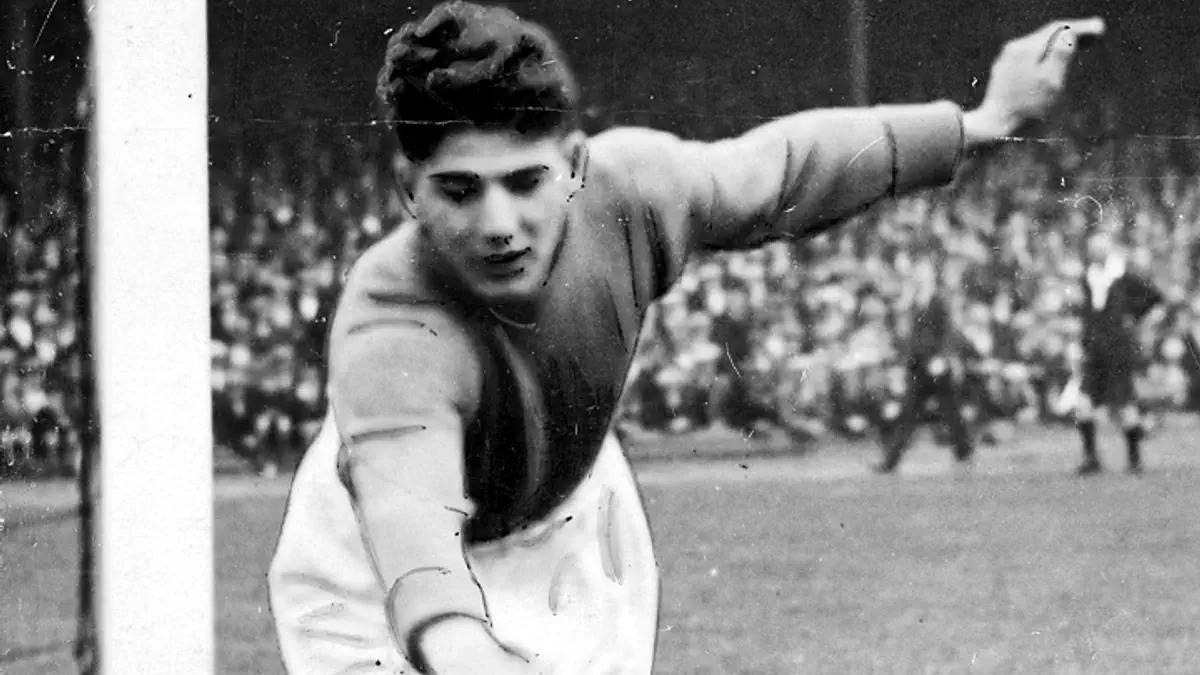
One of the oldest and best-known tragedies in British football was the death of Celtic goalkeeper John Thomson.
On September 5, 1931, his team faced Rangers at Ibrox. The meeting between the bitter rivals unfolded in the familiar atmosphere of fierce competition.
During one attack, 22-year-old Thomson dived at the feet of Rangers striker Sam English in an attempt to stop the move.
As the ball was struck, the forward's knee hit the goalkeeper in the head.
Thomson suffered a severe traumatic brain injury and lost consciousness. He was taken to hospital, but died that same evening without regaining consciousness.
Despite his young age, John was already Celtic's first-choice goalkeeper and had represented Scotland. He was considered one of the most talented goalkeepers of his generation.
The tragedy went far beyond sporting rivalry. Thomson's death shook all of Scotland, and his name became forever woven into Celtic's history.
Almost a century later, he remains a symbol of the courage of goalkeepers, for whom challenging for the ball can sometimes carry enormous risk.
Sudden cardiac arrests: footballers who lost their lives during matches
In the stories above, physical collisions or injuries caused the tragedies. The next category is even more treacherous.
In these cases, footballers might simply be running, preparing to receive a pass or standing far from the ball. No challenge from an opponent, no obvious injury — just a sudden collapse on the pitch.
The cause was often heart disease or rhythm disorders that led to cardiac arrest. At the same time, the precise medical circumstances behind each death varied.
Samuel Okwaraji (Nigeria, 1989) — death during a World Cup qualifier
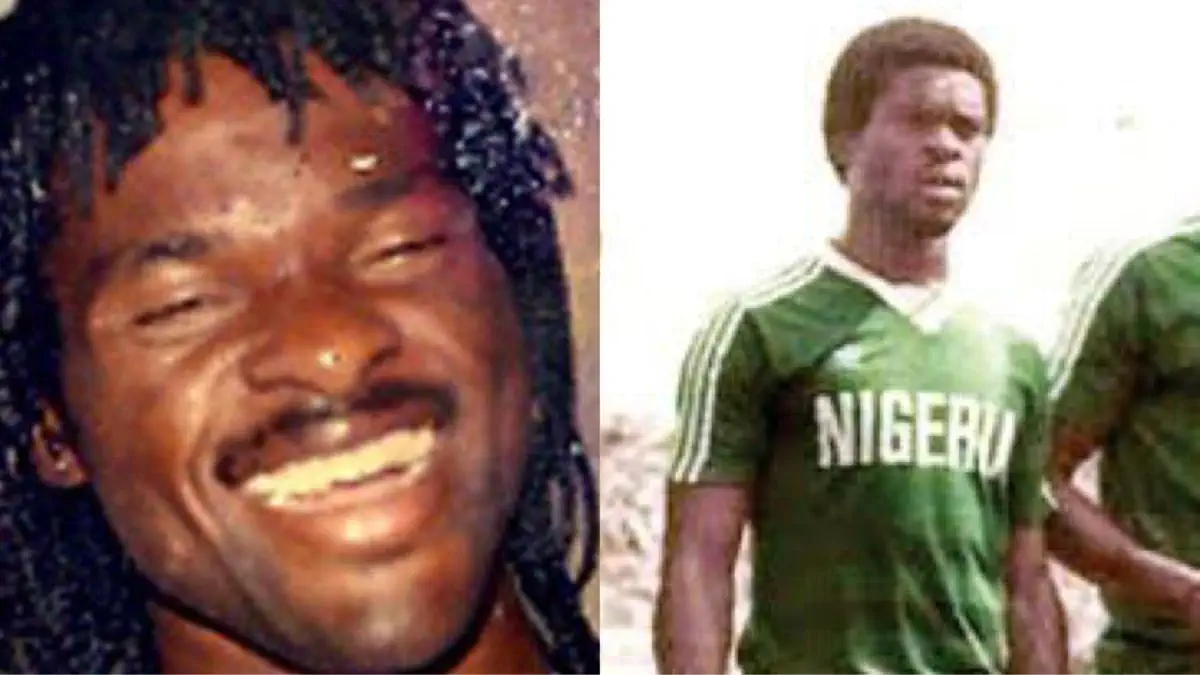
On August 12, 1989, Nigeria hosted Angola in a World Cup qualifier in Lagos.
Among the home players was 25-year-old midfielder Samuel Okwaraji, who played club football in Europe and represented Nigeria at the 1988 Olympic Games.
With approximately ten minutes remaining, Okwaraji suddenly collapsed on the pitch.
There had been no collision with an opponent.
The footballer suffered a fatal heart attack. Reports on his death referred to heart failure.
Okwaraji died at the age of 25, and his death became one of the darkest events in Nigerian football history.
It was especially painful because it happened while he was representing his national team — in front of thousands of fans who had come to support Nigeria in its fight for a place at the World Cup.
Marc-Vivien Foé (Cameroon, 2003) — tragedy at the Confederations Cup
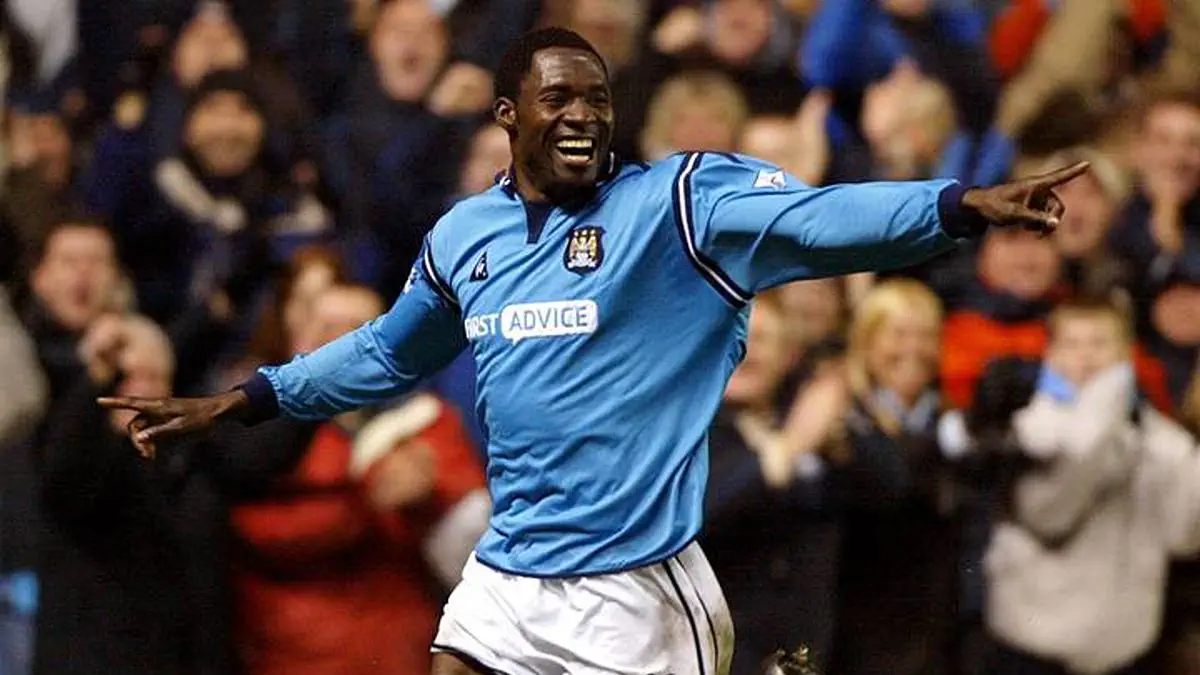
On June 26, 2003, Cameroon faced Colombia in the Confederations Cup semi-final in Lyon, France.
Cameroon led 1-0 and was closing in on a historic place in the final.
In the 71st minute, midfielder Marc-Vivien Foé suddenly collapsed on the pitch. There were no opponents near him and nobody had struck him.
At first, those around him could not understand what had happened. Only moments later did they realize how serious the situation was.
Medics attempted to revive the 28-year-old footballer, but without success. It later emerged that he had an undiagnosed heart condition.
At the time, Foé was an experienced international who had previously played for Lens, West Ham and Lyon, and had spent the season before the tragedy on loan at Manchester City.
Cameroon won the semi-final, but there was no way to celebrate the victory. Some players learned of their teammate's death only after the match.
The final against France became a memorial to Foé. Before kick-off, the teams came out for the warm-up wearing shirts bearing his name and No. 17.
France won the tournament, but during the awards ceremony both captains held the trophy together — a symbolic gesture in honor of the late Cameroonian.
Miklós Fehér (Hungary, 2004) — the last smile before tragedy
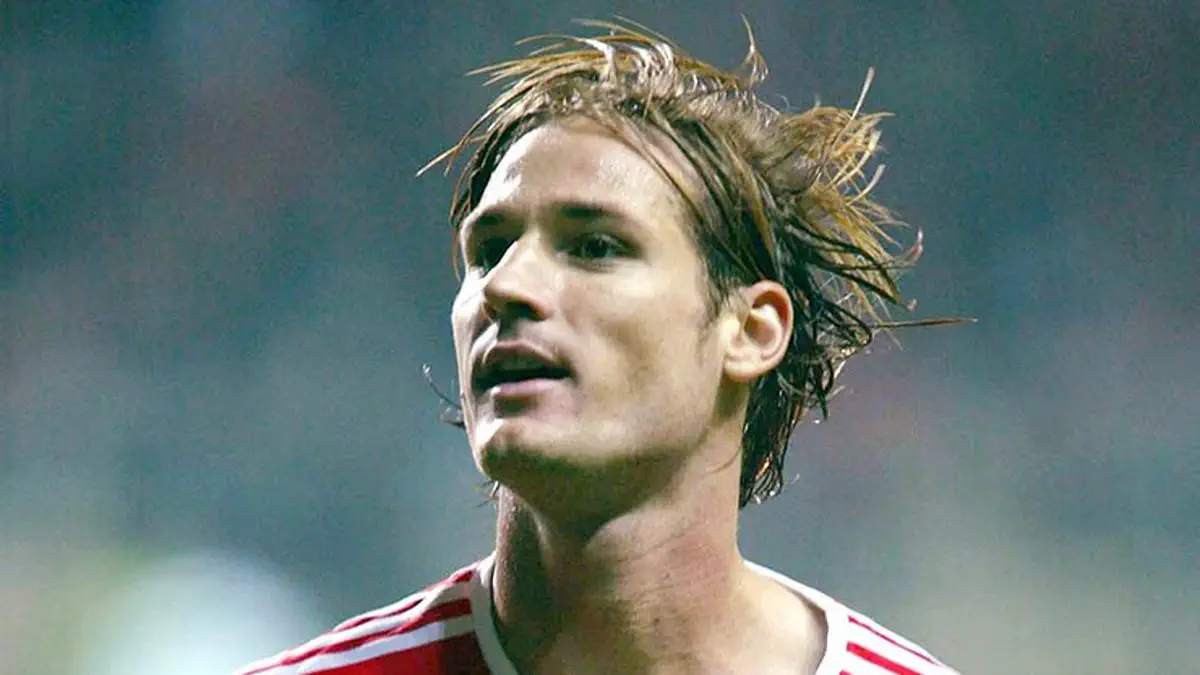
The death of Hungarian striker Miklós Fehér became one of the best-known tragedies of the early 21st century.
On January 25, 2004, Benfica played an away Portuguese league match against Vitória Guimarães.
Twenty-four-year-old Fehér came on as a second-half substitute. Late in the match, with Benfica leading 1-0, the striker received a yellow card for time-wasting.
The footballer smiled in response to the referee's decision, bent forward with his hands on his knees and, seconds later, fell onto his back.
That smile, captured by television cameras moments before his fall, became one of the saddest images in Portuguese football history.
Fehér suffered cardiac arrest. Medics tried to save him, but he was pronounced dead in hospital.
The tragedy left his teammates in shock. Some wept on the pitch, while others fell to their knees and prayed.
Benfica permanently retired his No. 29 shirt. A bust of the striker was installed at the Estádio da Luz, and his memory became an inseparable part of the club's history.
Antonio Puerta (Spain, 2007) — one of Sevilla's greatest tragedies
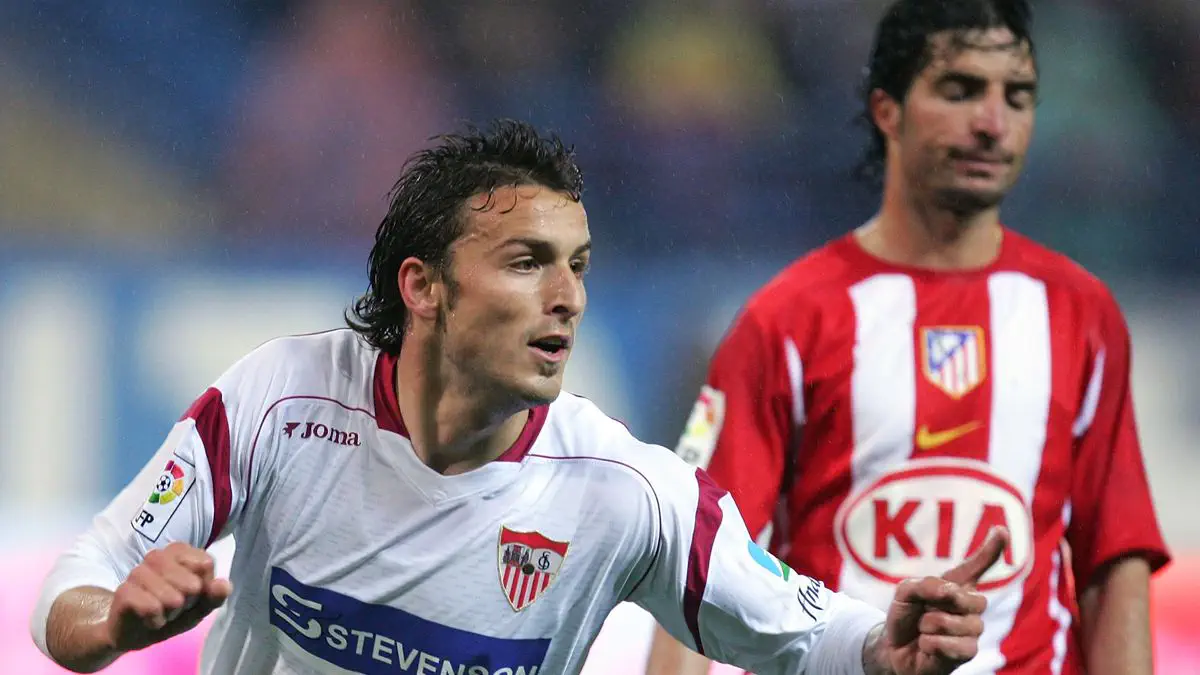
Antonio Puerta was more than just a talented footballer. To Sevilla supporters, he embodied one of the most successful periods in the club's history.
A product of the Andalusian club's academy, Puerta helped Sevilla win the UEFA Cup twice in a row, along with a number of other trophies. At 22, he had already made his debut for Spain.
On August 25, 2007, Sevilla hosted Getafe on the opening day of La Liga.
In the 35th minute, Puerta suddenly lost consciousness and fell to the ground.
Teammates and medics immediately rushed to the footballer. After receiving treatment, he regained consciousness and was even able to leave the field on his own.
That moment gave everyone hope that the worst had been avoided.
However, Puerta collapsed again in the dressing room. He suffered repeated cardiac arrests and was rushed to hospital.
Doctors fought for his life for three days. On August 28, 2007, Antonio Puerta died.
The tragedy shook all of Spain. Hundreds and thousands of supporters gathered outside the Ramón Sánchez Pizjuán to pay tribute to the footballer.
For Sevilla, the No. 16 shirt worn by Puerta took on special significance. The club preserves the memory of its academy graduate, and his name still regularly echoes around the stands.
It remains especially painful that Puerta was only at the beginning of a great career. Several years before Spain's triumphs at Euro 2008 and the 2010 World Cup, he already belonged to the generation of Spanish footballers that was reshaping European football.
Phil O'Donnell (Scotland, 2007) — the captain who collapsed before being substituted
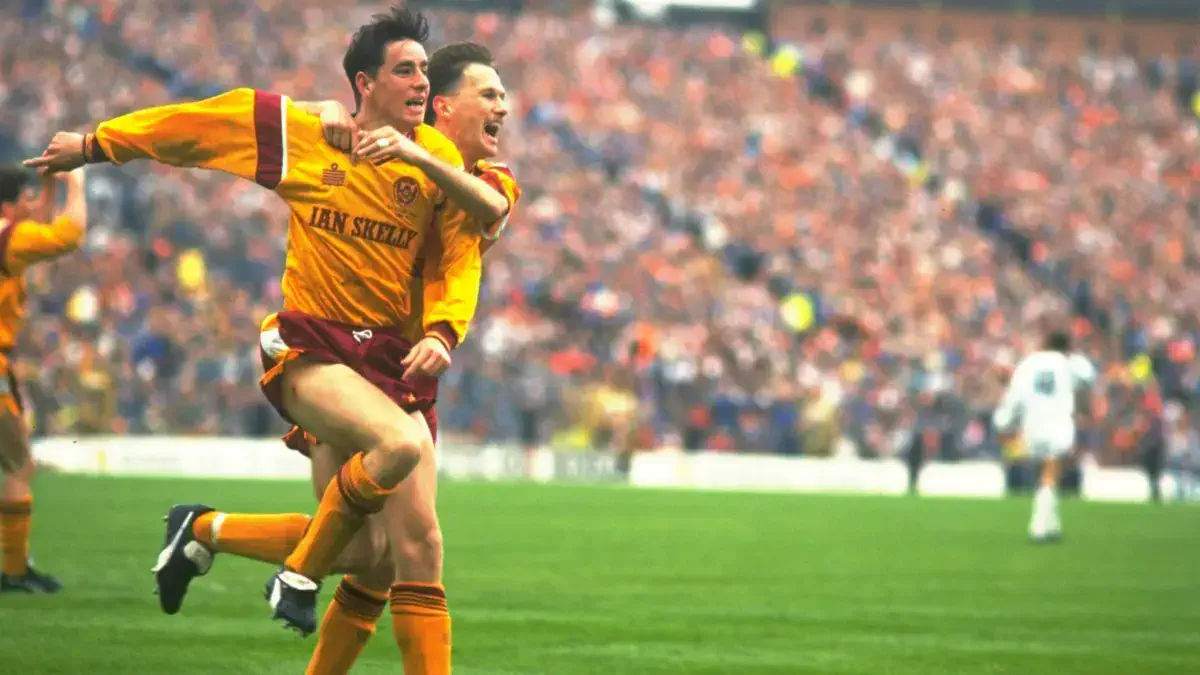
2007 brought another tragedy, this time to Scottish football.
On December 29, Motherwell captain Phil O'Donnell took part in a league match against Dundee United.
The 35-year-old midfielder was an experienced footballer who had played for Celtic and English club Sheffield Wednesday.
Late in the match, the coaching staff prepared to substitute him. However, before O'Donnell could leave the field, he suddenly collapsed.
The footballer was rushed to hospital, where he was later pronounced dead.
An autopsy showed that the cause was heart failure linked to impaired function of the left ventricle.
The tragedy had another deeply painful detail: O'Donnell's nephew David Clarkson, who also played for Motherwell, was on the pitch. What he witnessed affected him so profoundly that the coaches decided to substitute Clarkson as well.
The main stand at Fir Park was later named after Phil O'Donnell.
Piermario Morosini (Italy, 2012) — the tragedy that brought all Italian football to a halt
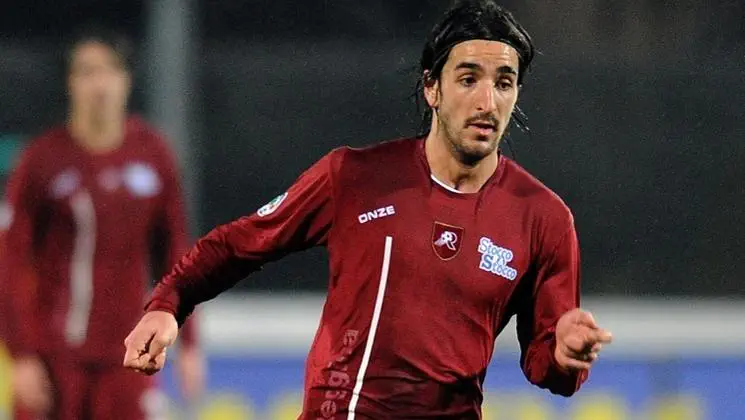
On April 14, 2012, Pescara hosted Livorno in a Serie B match.
Livorno's 25-year-old midfielder Piermario Morosini was on the pitch when, in the 31st minute, he suddenly felt unwell.
The footballer began to lose his balance, tried to get back up, but eventually remained lying on the pitch.
Medical staff immediately began resuscitation efforts, used a defibrillator and then took Morosini to hospital.
The player could not be saved.
The cause of death was a serious heart condition — arrhythmogenic cardiomyopathy.
Morosini belonged to Udinese and played for Livorno on loan. He had previously represented Italy's youth teams, including at the UEFA European Under-21 Championship.
His death caused such shock that the Italian Football Federation postponed all professional league matches scheduled for that weekend.
Livorno and Vicenza both retired his No. 25 shirt.
Patrick Ekeng (Cameroon, 2016) — another tragedy for Cameroonian football
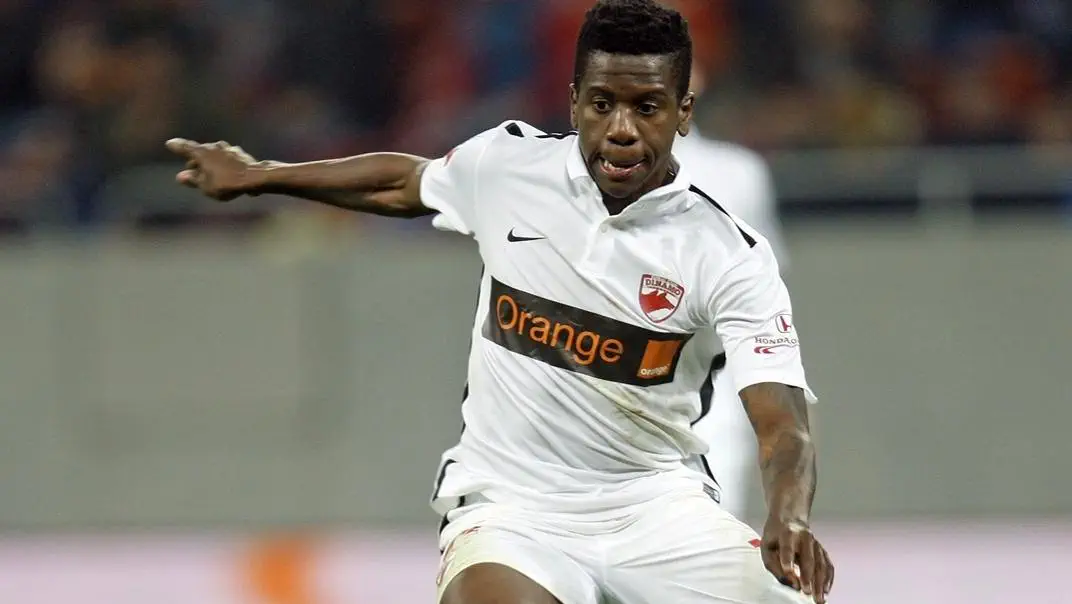
Thirteen years after the death of Marc-Vivien Foé, Cameroon lost another player on the football pitch.
On May 6, 2016, midfielder Patrick Ekeng was playing for Bucharest Dinamo in a Romanian league match against Viitorul.
The 26-year-old came on as a substitute but spent very little time on the pitch.
In the 70th minute, Ekeng suddenly collapsed without any contact with an opponent.
He was taken to hospital, but approximately two hours after the incident, doctors pronounced him dead.
The circumstances surrounding the treatment he received later became the subject of a criminal investigation. Romanian prosecutors charged an emergency physician, alleging that resuscitation procedures were not properly carried out during transportation.
The tragedy raised serious questions about the organization of emergency medical care at football matches.
The Romanian Football Federation postponed scheduled matches, as well as the cup final involving Dinamo.
Ekeng had previously played in France, Switzerland and Spain, and had represented Cameroon.
Cheick Tioté (Ivory Coast, 2017) — former Newcastle star who died during training
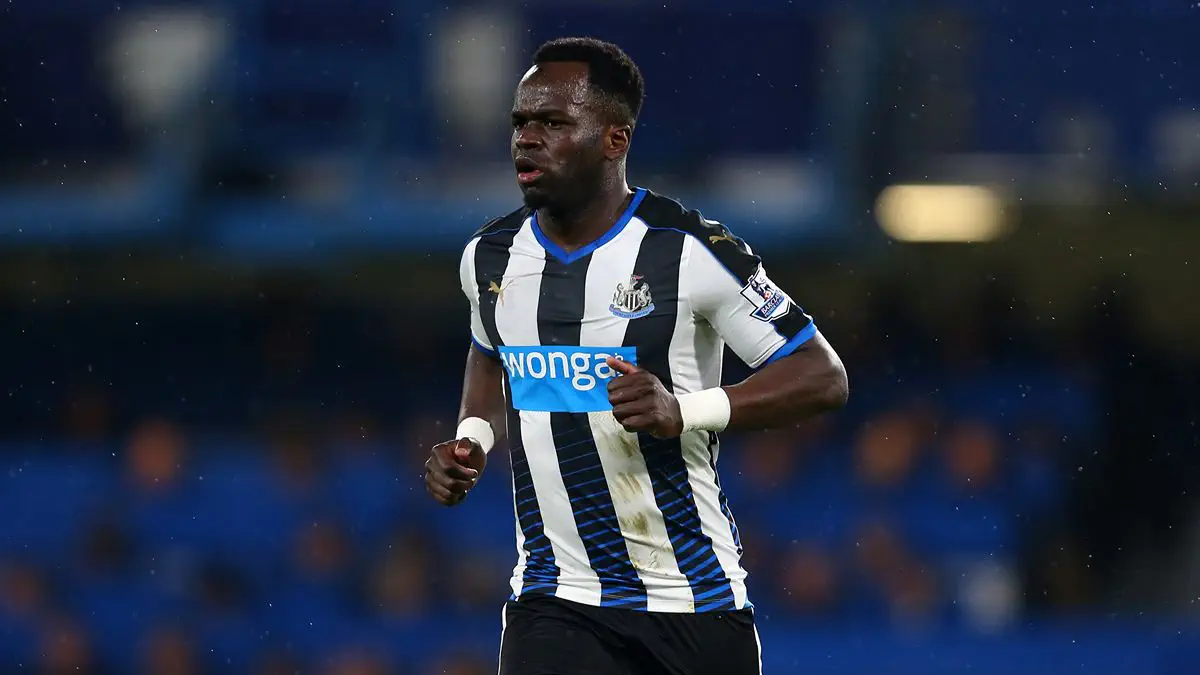
One of the most high-profile tragedies in world football was the death of Cheick Tioté, the former Newcastle and Ivory Coast midfielder.
For almost seven years, Tioté was one of the Magpies' most recognizable players. Supporters remembered him for his uncompromising midfield battles, tireless work rate and stunning goal against Arsenal in February 2011.
Newcastle were trailing 0-4, but produced a remarkable comeback, with Tioté scoring a powerful long-range strike to make it 4-4.
At international level, the footballer represented Ivory Coast at the 2010 and 2014 World Cups and won the 2015 Africa Cup of Nations.
In February 2017, the 30-year-old midfielder left Newcastle and moved to Chinese club Beijing Enterprises, who played in the country's second tier.
On June 5, during a routine evening training session, Tioté suddenly lost consciousness and collapsed on the pitch.
The footballer was immediately taken to hospital, where medics attempted to resuscitate him. However, approximately an hour after losing consciousness, he died of a heart attack.
The tragedy shocked English football. Newcastle dedicated a moving farewell to their former player, while manager Rafael Benítez called him a true professional and a wonderful person.
Tioté was one of the best-known African footballers of his generation, and his sudden death once again showed that even years of experience at the highest level cannot guarantee protection from undiagnosed health problems.
Raphael Dwamena (Ghana, 2023) — the footballer who already knew about his heart problems
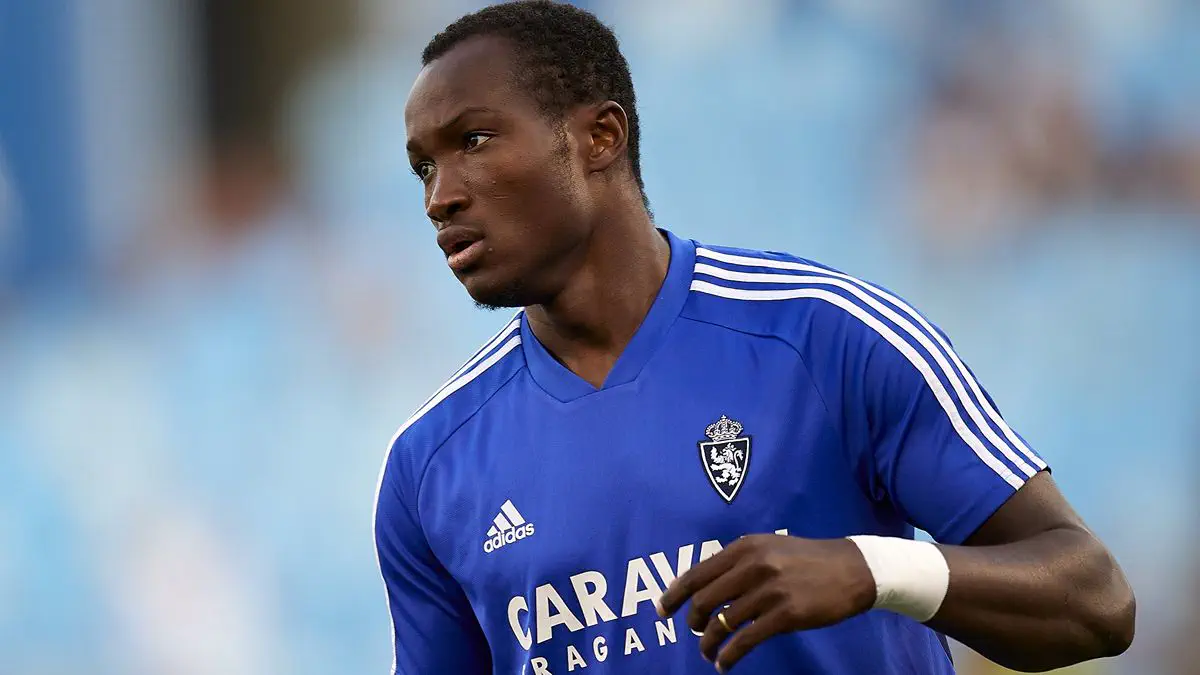
Raphael Dwamena's story differs from many others because serious heart problems had been diagnosed long before the tragedy.
The Ghanaian striker was regarded as a talented goalscorer. He played for Swiss club Zürich, Spanish sides Levante and Zaragoza, and represented the Ghana national team.
In 2017, a potential move to English club Brighton fell through because of the results of his medical examination.
The footballer later experienced serious heart-rhythm problems. He was fitted with a special cardiac device, and in 2021 he had already lost consciousness during a match in Austria.
Nevertheless, Dwamena continued his career.
In the 2023/24 season, he played for Albania's Egnatia and was the league's leading scorer with nine goals at the time of the tragedy.
On November 11, 2023, during a match against Partizani, the 28-year-old striker suddenly collapsed on the pitch.
Medical assistance could not save his life.
According to the footballer's personal cardiologist, Antonio Asso, Dwamena decided to have the defibrillator removed — a device that had been implanted specifically to prevent such situations. Asso said he had advised Raphael to stop competing professionally. But football was Dwamena's reason for living, and he was not ready to give up that joy.
Dwamena's death once again raised the difficult question of where to draw the line between an athlete's desire to continue a professional career and the risks associated with serious heart disease.
Juan Izquierdo (Uruguay, 2024) — tragedy in a Copa Libertadores match
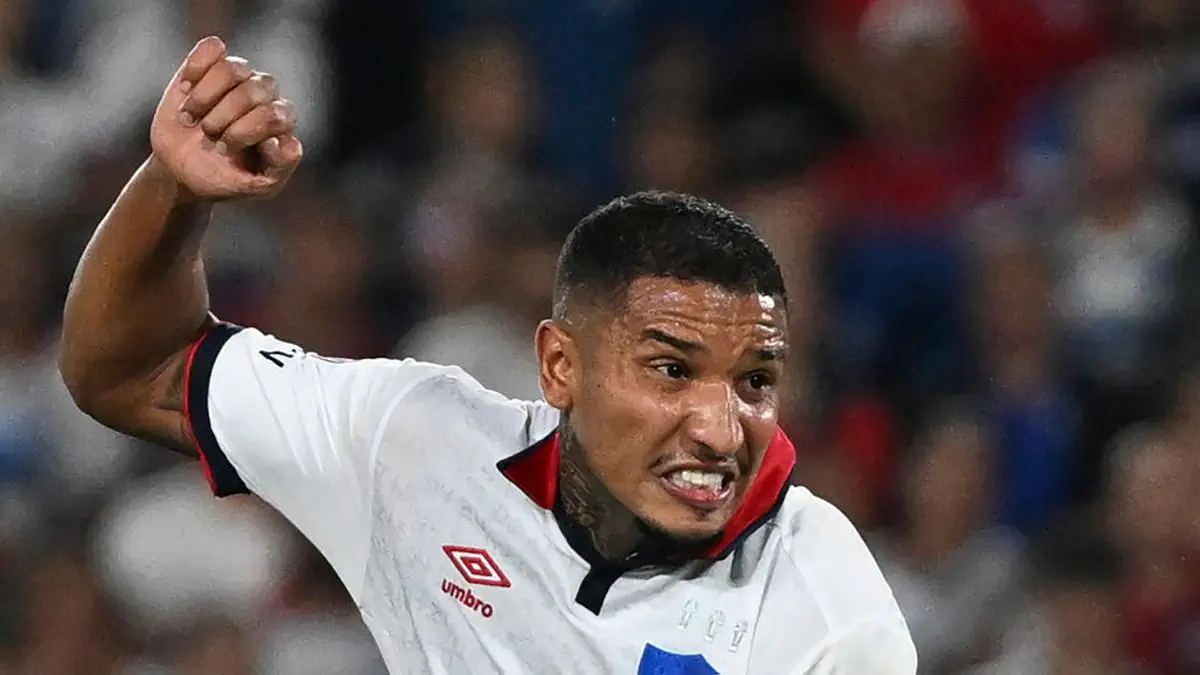
On August 22, 2024, Uruguay's Nacional faced Brazil's São Paulo in the first leg of their Copa Libertadores round-of-16 tie.
In the 84th minute, visiting defender Juan Izquierdo suddenly collapsed on the pitch. There was no opponent nearby with whom he could have collided.
The 27-year-old was given immediate medical attention before being taken to Albert Einstein Hospital in São Paulo.
He was diagnosed with a serious heart-rhythm disorder associated with cardiac arrest.
Doctors fought for his life over the following days, but his condition continued to deteriorate.
Izquierdo died on August 27. According to the hospital's official statement, the cause of death was brain death following cardiac and respiratory arrest associated with cardiac arrhythmia.
The tragedy caused a huge reaction across South America. Nacional, São Paulo, national federations and football organizations across the continent expressed their condolences to the player's family.
Izquierdo was an active player for one of Uruguay's most famous clubs, and the fatal episode occurred during one of the world's most prestigious club competitions.
Can such tragedies be prevented?
The stories of these footballers show how varied the dangers on a football pitch can be.
The collisions involving Serhiy Perkhun, John Thomson and Jesús de Miguel occurred during challenges for the ball. Akli Fairuz suffered a fatal internal injury, while Peter Biaksangzuala died after an ill-fated goal celebration.
Antonio Puerta, Marc-Vivien Foé, Miklós Fehér and other footballers, meanwhile, encountered dangers that do not always have visible symptoms.
Cardiac arrest is not necessarily a heart attack. It can be caused by various heart-rhythm disorders, including those linked to cardiomyopathies. Even professional medical examinations cannot guarantee the detection of every potentially dangerous condition.
That is why international football organizations are devoting increasing attention to readiness for medical emergencies.
FIFA emphasizes the importance of rapidly recognizing cardiac arrest, immediately beginning cardiopulmonary resuscitation and ensuring that automated external defibrillators are available at stadiums and training grounds.
And while some tragedies cannot be predicted, timely assistance can save lives.
The best-known example is Fabrice Muamba. On March 17, 2012, the Bolton midfielder suffered cardiac arrest during a cup match against Tottenham. His heart stopped for 78 minutes, but thanks to the efforts of the medical teams, he survived.
Muamba never returned to professional football, but he received something far more important — the chance to continue living.
A similar incident happened to Christian Eriksen at Euro 2020. The Danish midfielder suffered cardiac arrest during a match against Finland, but doctors managed to save him. He later returned to professional football.
On June 7, 2026, during a friendly against Ukraine, Eriksen again lost consciousness on the pitch. Fortunately, he quickly regained consciousness. He later said that his implanted defibrillator had activated, but stressed that it was not a second cardiac arrest.
These cases prove that sudden cardiac arrest on the pitch does not necessarily have to end in death.
A memory more important than the result
Football is usually about victories, defeats, trophies and records. But the stories of Jesús de Miguel, Serhiy Perkhun, Antonio Puerta and the other players remind us that sometimes the result of a match loses all meaning.
The final whistle may never sound, the match may be postponed or abandoned, and instead of discussing goals, supporters may leave flowers outside the stadium.
Some of these footballers were already idols to millions, while others played in lower divisions and were only dreaming of the big time. But they are all united by the fact that the final moments of their sporting careers turned into tragedy.
John Thomson died almost a century ago, Perkhun in 2001 and Puerta in 2007. Now Jesús de Miguel's name has been added to this tragic list.
And the most important thing football can do to preserve their memory is not only to remember their names, but also to do everything possible to ensure there are fewer stories like these in the future.
 Steven Perez
Dailysports's expert