Who will be Africa’s new king? The biggest storylines in the CAF Champions League
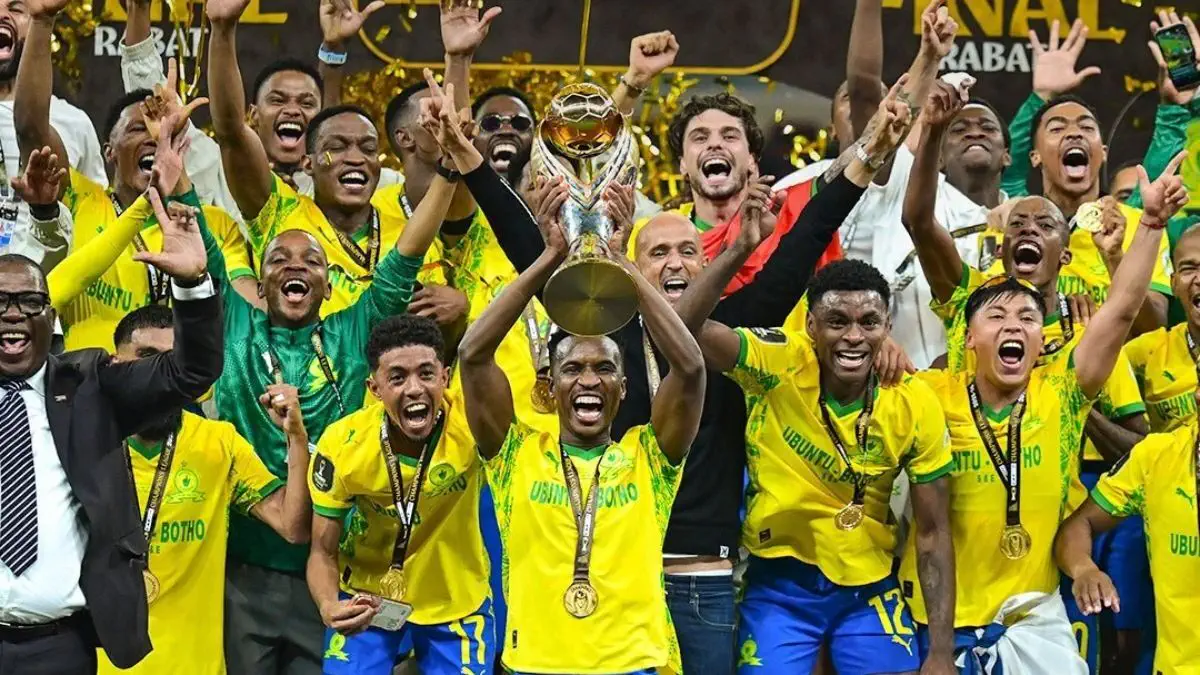
The 2026/27 CAF Champions League kicks off in extraordinary circumstances. Even before the group stage begins, the tournament has lost several familiar giants: defending champions Mamelodi Sundowns were sensationally knocked out in qualifying, five-time winners TP Mazembe also failed to make it through, and record title holders Al Ahly did not qualify in the first place.
Instead of the usual favourites, a new wave of ambitious sides is vying for continental glory, while the draw has set up several mouth-watering clashes. One group features four clubs with rich histories, another pits teams from different football cultures against each other, and among the participants are debutants and sides returning to Africa’s biggest stage after years away.
The group stage begins on November 27 and runs until the end of January. The top eight teams will advance to the quarter-finals. But one thing is already clear: this could be one of the most unpredictable editions in years.
Champions out, Al Ahly absent: who will fill the power vacuum?
The biggest shock of qualifying was Mamelodi Sundowns’ elimination. The South Africans, who lifted the continental trophy last season, will not be able to defend their title. They were stopped by Angola’s Wiliete, a club founded as recently as 2018.
After a goalless draw in the first leg, the Angolans drew 1-1 in Pretoria and advanced on the away-goals rule. It was a particularly painful blow for Sundowns: not only did they lose the chance to win the tournament for a second straight year, they failed even to reach the group stage.
TP Mazembe will also be missing. The Congolese club, five-time winners of the competition, were beaten 2-1 on aggregate by Tunisia’s Club Africain. It is another symbol of a changing of the guard in African football: the familiar giants are making way for teams increasingly capable of taking the fight to them.
Al Ahly’s absence also changes the usual picture. The Egyptian club, with 12 titles, remains the competition’s record winner, but this time they failed to qualify. The reason was a third-place finish in the Egyptian league last season.
That means three clubs synonymous with Africa’s biggest football powers will be missing from this edition. Their absence opens the door for new contenders. Pyramids, Espérance, Orlando Pirates, Zamalek and RS Berkane are among the teams to watch — all capable of capitalising on the shift in the balance of power.
Wiliete are the shock package: can the Angolan underdogs spring another surprise?
Wiliete’s run has already become one of the defining stories of qualifying. The Angolan side did more than secure a place in the group stage — they knocked out the defending champions, doing so on their own ground.
The Benguela-based club was founded in 2018 and cannot match Mamelodi Sundowns for experience, financial muscle or international standing. Yet the Angolans seized their opportunities and pulled off one of the biggest shocks of this edition.
Wiliete did not need a goal-fest or a penalty shoot-out to get the job done. They stood firm under pressure across both legs, drew each match and went through thanks to an away goal. Now the club will play in the CAF Champions League group stage for the first time in its history.
Espérance, Petro de Luanda and Nouadhibou await Wiliete in Group A. The clash with Petro will be especially intriguing, with another Angolan side on the other side of the pitch. For Wiliete, it is a chance not only to prove that their shock against Sundowns was no fluke, but also to make their mark among the continent’s top clubs.
Even reaching the quarter-finals would be a huge achievement. But after Wiliete already sent the defending champions crashing out, they should not be written off.
Group of death: Zamalek, MC Alger, Young Africans and Club Africain
If one group stands out as the tournament’s most intriguing, it has to be Group B. It brings together four clubs, each with its own ambitions, history and passionate fanbase.
Zamalek are five-time CAF Champions League winners. The Egyptian club are targeting a sixth continental crown and hope to reaffirm their status as one of African football’s flagship sides.
- Read also: From Yamal to Mbappé! Top 10 football stars who could have represented African national teams
MC Alger also know what it takes to win this competition: they lifted the trophy in 1976 and will now try to return to the summit half a century later. Young Africans represent Tanzania and have regularly gone toe-to-toe with East Africa’s strongest teams in recent years.
But Club Africain deserve special attention. The Tunisians are back in the group stage for the first time since the 2018/19 season. They also knocked TP Mazembe out in qualifying, proving they can compete with established giants. At home, the club ended an 11-year wait for the league title.
There are virtually no clear underdogs here. Zamalek against MC Alger, Club Africain against Young Africans and the group’s other fixtures could all be among the highlights of the entire group stage. Any slip-up could prove costly, and the race for the two quarter-final spots promises to be fiercely contested.
Espérance face two Angolan sides: a test for the four-time champions
At first glance, Group A might seem more predictable, with Tunisia’s Espérance the clear favourites. But the presence of two Angolan sides and ambitious Nouadhibou makes this group far more compelling.
Espérance are four-time CAF Champions League winners and among the most experienced sides in this edition. The Tunisians will feature in the group stage for the 25th time, and this will be their 11th consecutive appearance. They have progressed from the group stage in each of their previous ten campaigns. That record explains why Espérance are once again considered among the leading contenders for the trophy.
But qualifying showed that even a team of Espérance’s stature can face a tough road to the main draw. They lost the first leg to Libya’s Al-Sweihli, then fought back and advanced after a penalty shoot-out. It should serve as a warning: underestimating opponents can prove costly, even for the most experienced clubs.
The group’s defining feature is its two Angolan representatives. Petro de Luanda are long established on the continental stage, while Wiliete emerged as qualifying’s biggest surprise. Their head-to-head meeting takes on extra significance: it is not just a battle for points, but a chance to establish which side currently leads the way in Angolan club football.
The fourth team is Mauritania’s Nouadhibou. They will play in the group stage for the second time in their history and remain the only club from their country to reach this stage of the competition in its modern format. For Nouadhibou, this is a chance not just to pick up points, but to prove that clubs from less-represented football nations can compete with established heavyweights.
Simba vs Orlando Pirates: a clash of fan cultures
One of the most eagerly anticipated match-ups in Group C will be between Tanzania’s Simba and South Africa’s Orlando Pirates.
Both clubs boast huge fanbases and represent countries with vibrant football cultures. Simba regularly challenge for top honours in Tanzania, while Orlando Pirates are one of South Africa’s best-known clubs. Their matches traditionally draw enormous interest from football fans in both countries.
But it will be no easy ride: Moroccan side RS Berkane and Cameroon’s Colombe Sportive are also in the group. Berkane have become a major force in African football in recent years, while Colombe have the chance to make their mark at this level for the first time.
RS Berkane could be one of the tournament’s most underrated sides. The Moroccans have long shown they can compete in continental competitions, and now they face a stern test against clubs with passionate support and rich histories.
For the Cameroonians, this is a chance to make a name for themselves; for the other teams, they are a dangerous opponent not to be underestimated. Group C brings together four distinct footballing cultures and could deliver some highly unpredictable matches.
It will be particularly interesting to see how far Colombe can go. The team won back-to-back Cameroonian league titles in the 2024/25 and 2025/26 seasons, but now faces an entirely different level of opposition. Matches against Simba, Orlando Pirates and RS Berkane will be a serious test for a club just beginning its journey among the elite of continental football.
Pyramids, Al-Hilal and familiar faces returning: the intrigue of Group D
Group D brings together several compelling stories. Pyramids are the 2024/25 continental champions and one of the clubs that have surged into Africa’s elite in recent years. The Egyptians have already proved they can win major competitions, and under Rulani Mokwena they are now looking to cement their status.
Sudan’s Al-Hilal could be their main challengers. Although they have yet to win the CAF Champions League, the club have long been regarded as one of the competition’s most consistent sides. This will be their eighth consecutive group-stage campaign and their 15th appearance at this stage overall.
Al-Hilal have reached the final twice, in 1987 and 1992, but came away without the trophy on both occasions. Last season they made it to the quarter-finals and are now aiming to go one step further. In qualifying, the Sudanese side advanced without conceding a goal across their two ties.
That said, Group D is about more than just the contest between Pyramids and Al-Hilal. Guinea’s Horoya return to the group stage for the first time since 2021/22 and will make their fifth appearance in the competition. They previously reached the quarter-finals in 2018 and 2018/19.
The fourth participant is Morocco’s MAS Fès. The team became Moroccan champions for the first time since 1985 and will now feature in the CAF Champions League group stage in its modern format for the first time. It is a return to the continental stage and a chance for the club to measure itself against serious opposition.
New faces and comebacks: whose group-stage campaign is already historic?
This edition stands out not only for the absence of familiar giants, but also for the arrival of clubs for whom reaching the group stage is a historic achievement in itself.
Cameroon’s Colombe are making their debut at this stage of the competition. They have also become just the third Cameroonian side to reach the group stage in the tournament’s modern format, after Canon Yaoundé and Coton Sport. Given that this is only their second campaign in Africa’s premier club competition, making the last 16 is already a major achievement.
Wiliete will also make their group-stage debut, having sensationally eliminated Sundowns. Nouadhibou are back for the second time, while Horoya return after several years away.
Club Africain, meanwhile, are back in the group stage after a long absence and will try to reach the knockout rounds in the modern format for the first time. The Tunisians have a rich history: in 1991, they became the first club from their country to win the continent’s premier competition.
MAS Fès also deserve special mention. Ending a 40-year wait for the league title was a landmark moment for Moroccan football, and the club now have the chance to make their mark beyond their own borders.
These stories show that the map of competitive African club football is gradually expanding. Whereas the spotlight once tended to fall on a handful of wealthy, decorated clubs, more and more teams from different countries now have the chance to make themselves known.
Who are the favourites? Pyramids, Espérance and Zamalek among the main contenders
Despite the absence of several familiar giants, this season’s line-up looks highly competitive. But if we are to pick out the teams with the strongest credentials on paper, Pyramids, Espérance, Zamalek and RS Berkane should be near the top of the list.
Pyramids have already won the competition, in the 2024/25 season, and have an ambitious project that has turned them into one of Egypt’s leading forces in recent years. Espérance bring immense experience at continental level, while Zamalek’s history and stature always make them dangerous opponents.
RS Berkane should not be underestimated either. The Moroccan club have been a consistent presence on the continental stage in recent years and are capable of making a serious run. Orlando Pirates, Simba, Young Africans and Al-Hilal also belong among the potential contenders — teams with international experience and the quality to challenge the favourites.
Six million dollars: more than continental glory is at stake
There is more than prestige on the line in this edition. The CAF Champions League winners will receive a record six million dollars — a major financial incentive for any club on the continent.
In recent years, the African confederation has increased its financial support for club competitions. Clubs eliminated in the preliminary rounds also receive $100,000 to cover travel and organisational costs.
For the continent’s leading clubs, winning means more than prestige: it also brings resources to strengthen the team further. For less wealthy participants, a prize of this size could be a game-changer, helping them improve infrastructure, retain key players and bolster their squads.
That is why the group stage matters so much. Reaching the quarter-finals is not just a sporting objective; it is also a chance to get closer to prize money that could significantly boost a club’s financial resources.
A new champion or the return of an old giant?
Al Ahly, Mamelodi Sundowns and TP Mazembe — clubs that have long helped define the CAF Champions League — are all absent from this edition. But that does not mean the tournament is weaker or short on intrigue.
On the contrary, Espérance, Zamalek, Pyramids, RS Berkane and Orlando Pirates have the chance to take advantage of the changed landscape. Young Africans, Simba and Al-Hilal can all make a serious push, while the stories of Wiliete, Colombe and MAS Fès show that this edition has room for unexpected heroes.
The big question this season is whether a new contender can make the most of the familiar giants’ absence and establish itself at the summit of African football — or whether the trophy will once again go to a club that knows what it takes to win big.
If qualifying produced a shock with the defending champions crashing out, the group stage could well continue the trend. That is exactly why this edition of the CAF Champions League deserves a particularly close watch.
 Jan Novak
Dailysports's expert