From Yamal to Mbappé! Top 10 football stars who could have represented African national teams
Modern football has long ceased to be a story defined solely by national borders. Many high-profile players were born in Europe, came through European football systems and made their names at leading clubs around the world, yet their family roots lie far beyond the Old Continent.
The connection between European football and Africa is particularly compelling. France, Germany, England, Spain and Belgium have become home to millions of people who moved from the African continent. Their children and grandchildren often become professional footballers and, before embarking on their international careers, get the chance to choose between several national teams.
We’ve rounded up 10 star footballers who represent non-African national teams but have African heritage. The list features both winners of major individual awards and key players at leading European clubs.
10. Nico Williams — Ghana

Nico Williams is one of the brightest stars in Spanish football. The Athletic Bilbao winger has become an important part of the national team and helped Spain win Euro 2024.
His family story, however, is tied to Ghana and is one of the most remarkable on this list. Nico’s parents, Felix and Comfort, left Ghana in search of a better life. Their journey to Europe was incredibly difficult: they crossed the Sahara, faced countless dangers and eventually made it to Spain.
Their elder son, Iñaki, was born in Bilbao in 1994, while Nico arrived in Pamplona in 2002. Both brothers grew up in Spain and became professional footballers, but their international careers took different paths.
Iñaki Williams chose to represent Ghana, while Nico opted for Spain. Their story is particularly striking: two brothers, raised in the same family and sharing the same African roots, ended up representing different national teams.
9. Alexander Isak — Eritrea
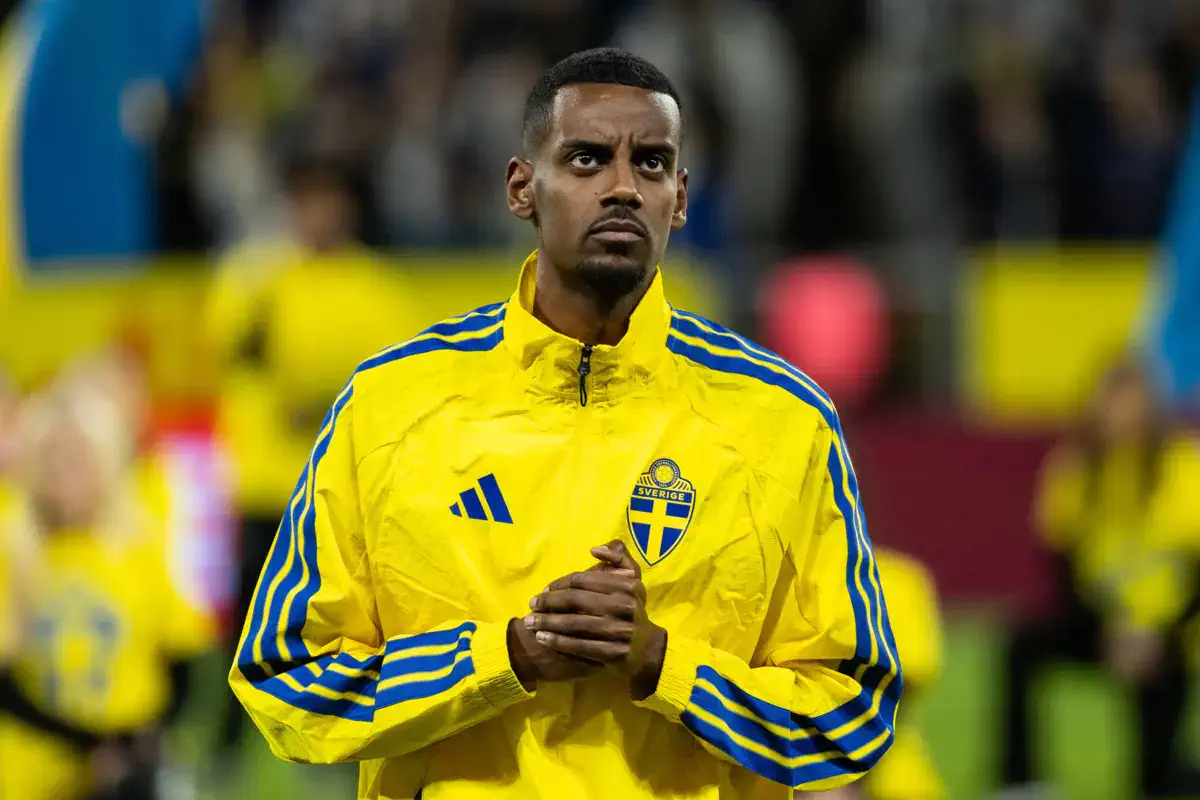
Alexander Isak is one of the most prominent Swedish strikers of his generation. His career has taken shape at European clubs, but his family roots lie in East Africa.
Isak was born on 21 September 1999 in Solna, just outside Stockholm. Both of his parents are of Eritrean descent. The family moved to Sweden in the 1980s, fleeing Eritrea’s protracted civil war. The future striker grew up in the Swedish capital.
Despite being born in Europe, Isak maintained a connection to his parents’ culture. His former youth coach told the BBC that the footballer was close to his Eritrean heritage and grew up in a family that kept its homeland in mind. His story is particularly interesting because both of his parents share the same African homeland, while he himself grew up in a very different cultural environment.
8. Jérémy Doku — Ghana
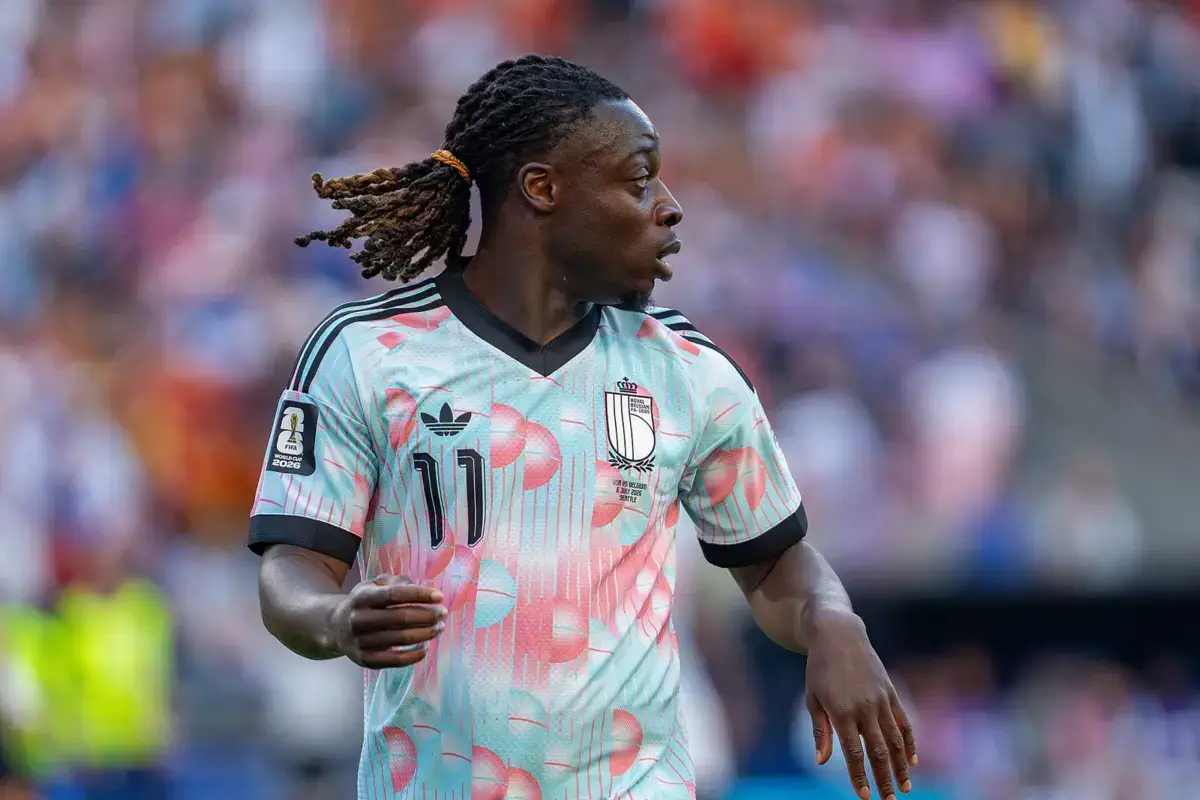
Jérémy Doku is a Belgian winger known for his blistering pace and ability to beat opponents one-on-one. He was born in Antwerp, but both of his parents are of Ghanaian descent.
Doku grew up in a family that kept Ghanaian traditions alive. He has said he was surrounded by Ghanaian culture from an early age and spoke Twi with relatives and family friends. The footballer has stressed that he feels a connection to Ghana despite representing Belgium.
- Also read: Milan’s new star with African roots: who is Alphadjo Cisse and why all of Italy is watching him
On the international stage, Doku chose Belgium. He represented the country at youth level before making his senior debut. His ties to Ghana remain strong, though. The footballer has spoken about wanting to visit his parents’ homeland more often and stay connected to his family’s culture.
7. Bukayo Saka — Nigeria
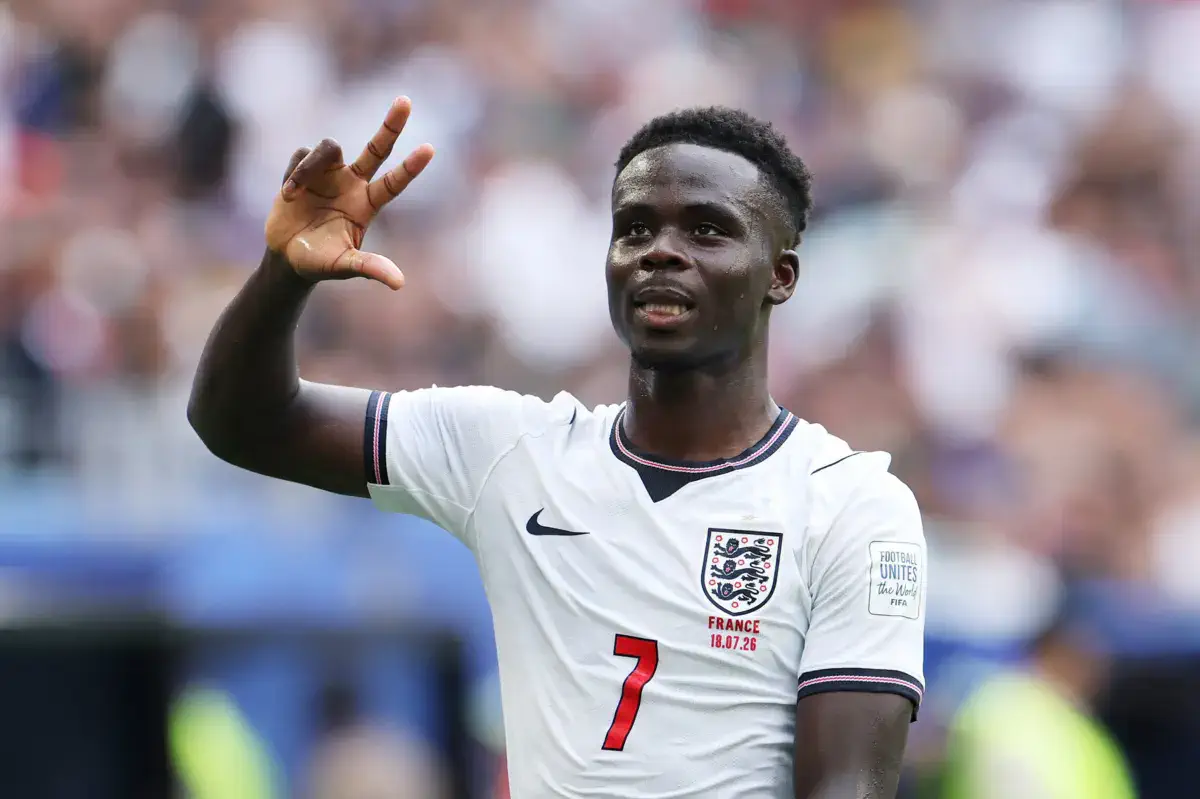
Bukayo Saka has long established himself as one of the key players for both England and Arsenal. His pace, technique and versatility have made him an important part of the London club, but his family background is Nigerian.
Both of Saka’s parents, Adenike and Yomi, are from Nigeria. The family moved to the UK, where the future footballer was born. Saka grew up in Greenford, west London. He started playing football at an early age and eventually joined Arsenal’s academy, progressing through its ranks.
Yoruba culture is an especially important part of his story. Saka’s mother has ties to Kwara State, while his father is from Ogun State in Nigeria. He has repeatedly stressed the importance of the family values his parents instilled in him as a child. He also stays in touch with relatives in Nigeria and has visited the country.
6. Eduardo Camavinga — Democratic Republic of the Congo
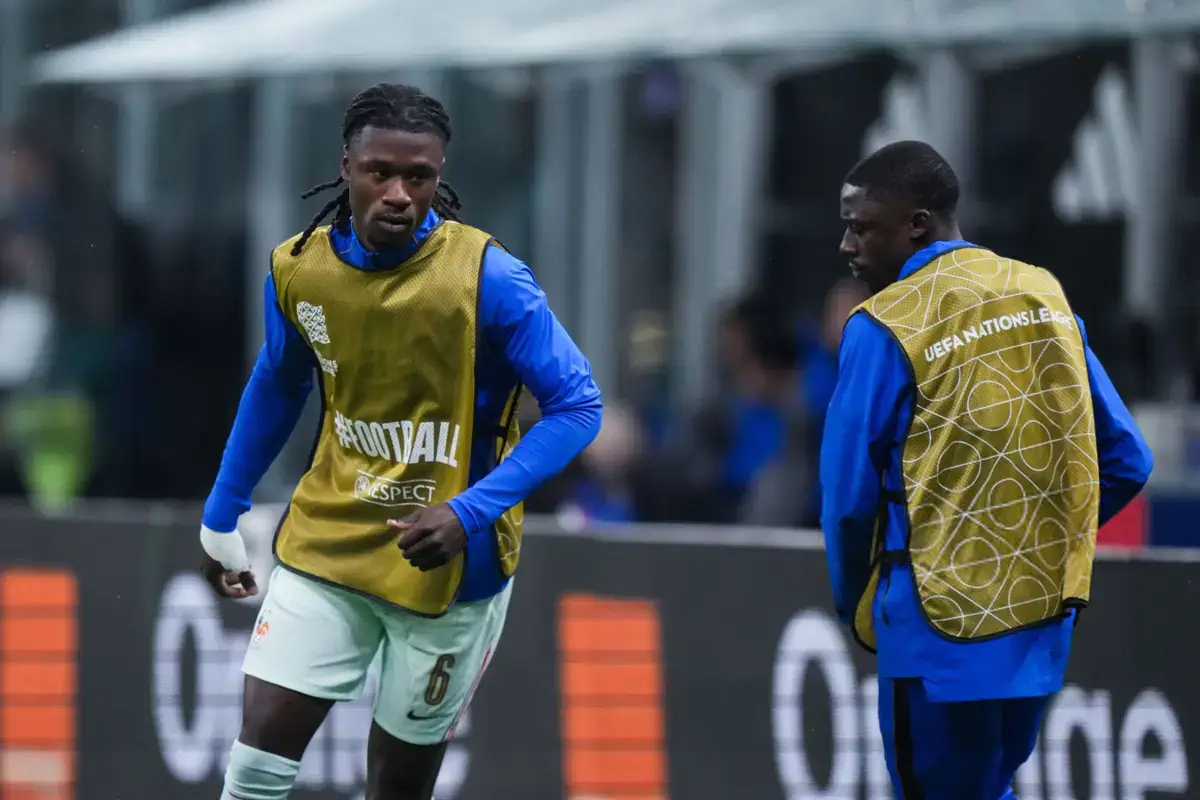
Eduardo Camavinga is one of France’s best-known midfielders and plays for Real Madrid. His story differs from most others on this list, as his family’s connection to Africa does not begin with his parents moving directly to France.
Camavinga was born in the Miconje refugee camp in Angola. His parents are originally from the Democratic Republic of the Congo. The family fled their homeland because of armed conflict and moved to Angola, where the future footballer was born. When Eduardo was very young, his parents relocated to France.
- Also read: What if Manchester United are relegated? 10 devastating consequences — from star exits to bankruptcy
On the international stage, he chose France. His story carries a particular symbolism: born in Angola to Congolese refugees, raised in France and now one of the stars of European football.
5. Rayan Cherki — Algeria and Italy
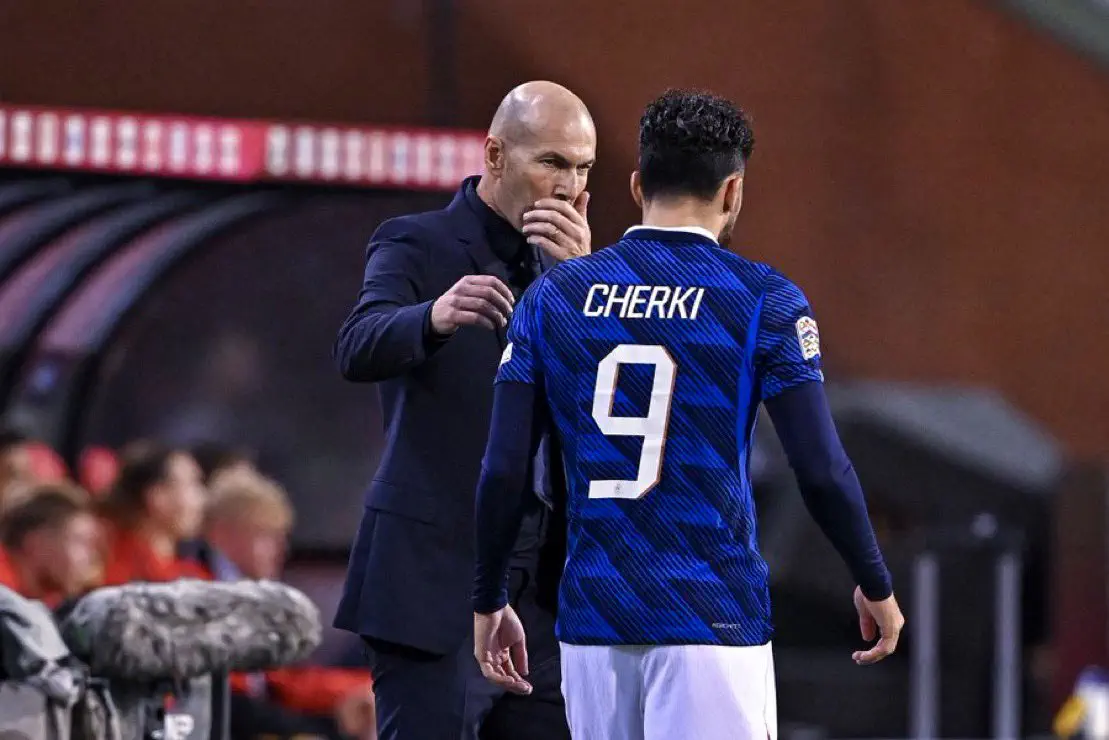
Rayan Cherki is one of the most intriguing young attacking players in European football. His technique and ability to operate in several positions drew attention from an early age.
Cherki was born in Lyon and developed in the academy of his hometown club. His family background spans France, Algeria and Italy: his mother has Algerian roots, while his father is Italian. That gave Cherki several options when it came to his international future.
He represented France at youth level before later receiving a call-up to the senior national team. Interestingly, speculation surrounding his international choice persisted for a long time. Media reports linked him with interest from the Algerian and Italian football federations. However, in an interview with French newspaper L'Équipe in June 2025, Cherki clarified that neither national team had officially contacted him.
4. Ousmane Dembélé — Mauritania
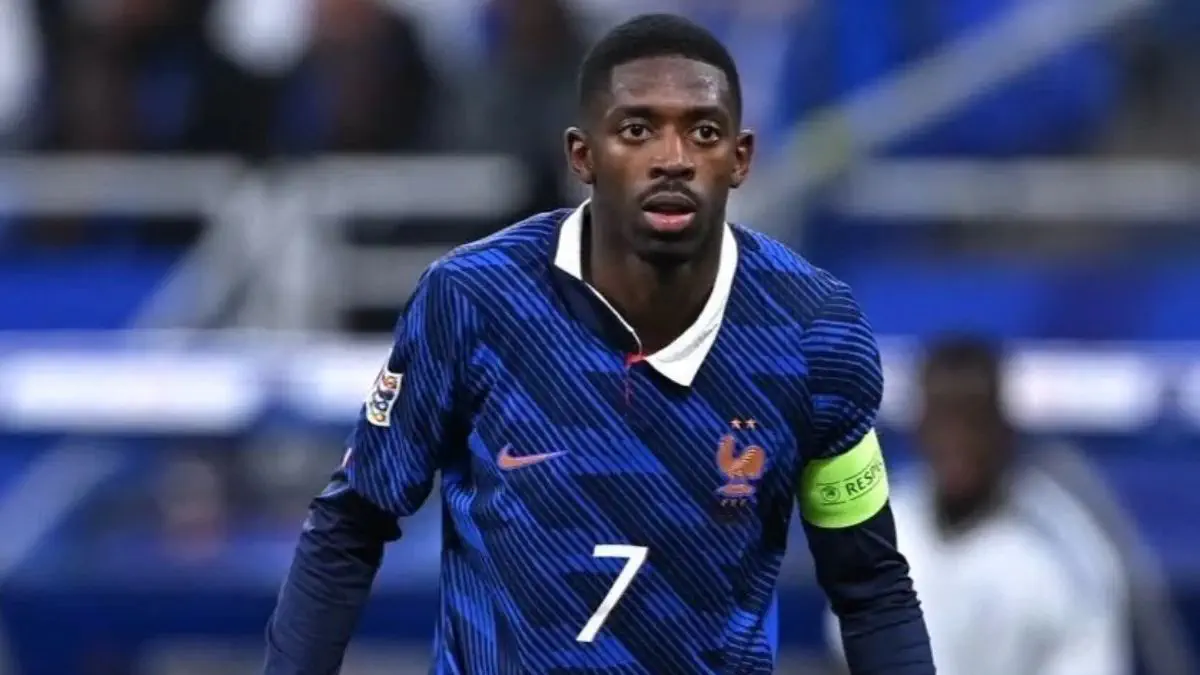
Ousmane Dembélé is one of the best-known French footballers of his generation. A World Cup winner, PSG star and recipient of prestigious individual awards, he also has African roots.
Dembélé’s family is connected to Mauritania. Both of his parents are from the West African country. His father, Mamadou, grew up in Senegal before moving to France, while his mother, Fatimata, also has Mauritanian roots.
Ousmane himself was born in Vernon, France. He grew up in a family that maintained ties to West African culture. He chose to represent France early in his career and became a world champion in 2018.
3. Michael Olise — Nigeria and Algeria
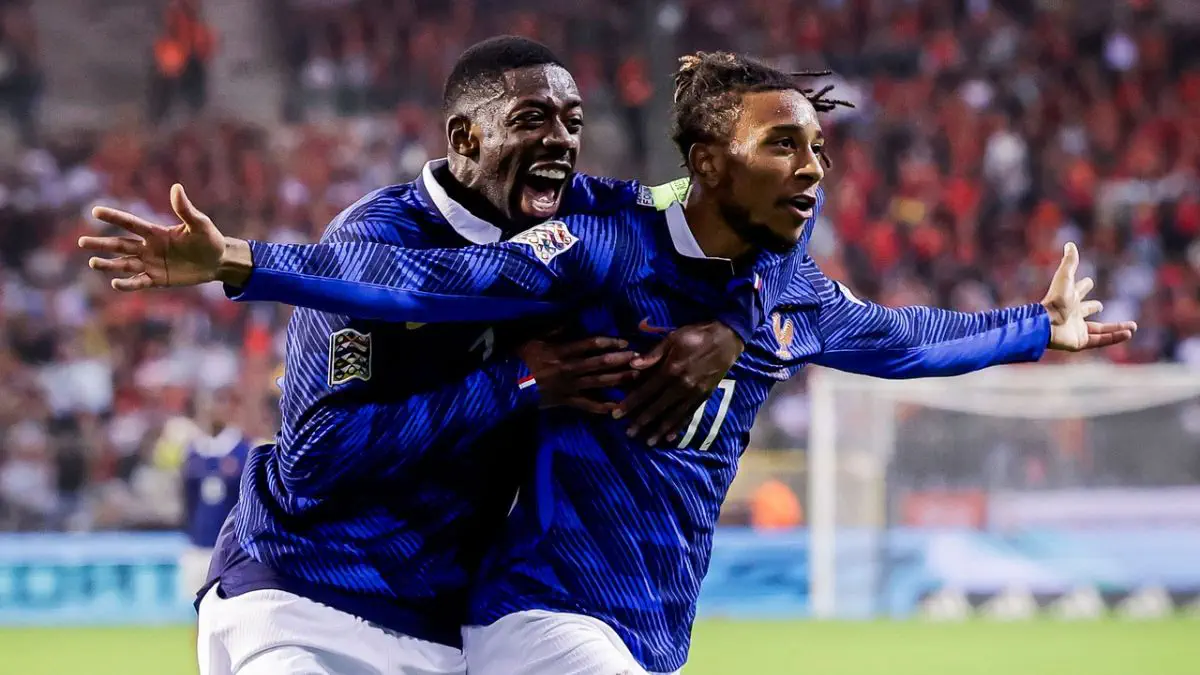
Michael Olise is another figure in European football whose heritage spans several countries. The French midfielder, who plays for Bayern Munich, has Nigerian and Algerian roots.
The footballer’s father, Vincent, is of Nigerian descent, while his mother, Mina, is French-Algerian. Michael himself was born in London, so his family story brings together four countries: the UK, France, Nigeria and Algeria.
Olise has spoken about his roots on several occasions. In an interview with Bayern’s official website, he stressed that he considers himself a person of four countries and feels connected to each of them. As a child, he regularly visited France, Algeria and Nigeria. At home, his father spoke to him in English, while his mother spoke French.
On the international stage, Olise chose France. He came through the country’s youth teams before earning the chance to represent the senior side.
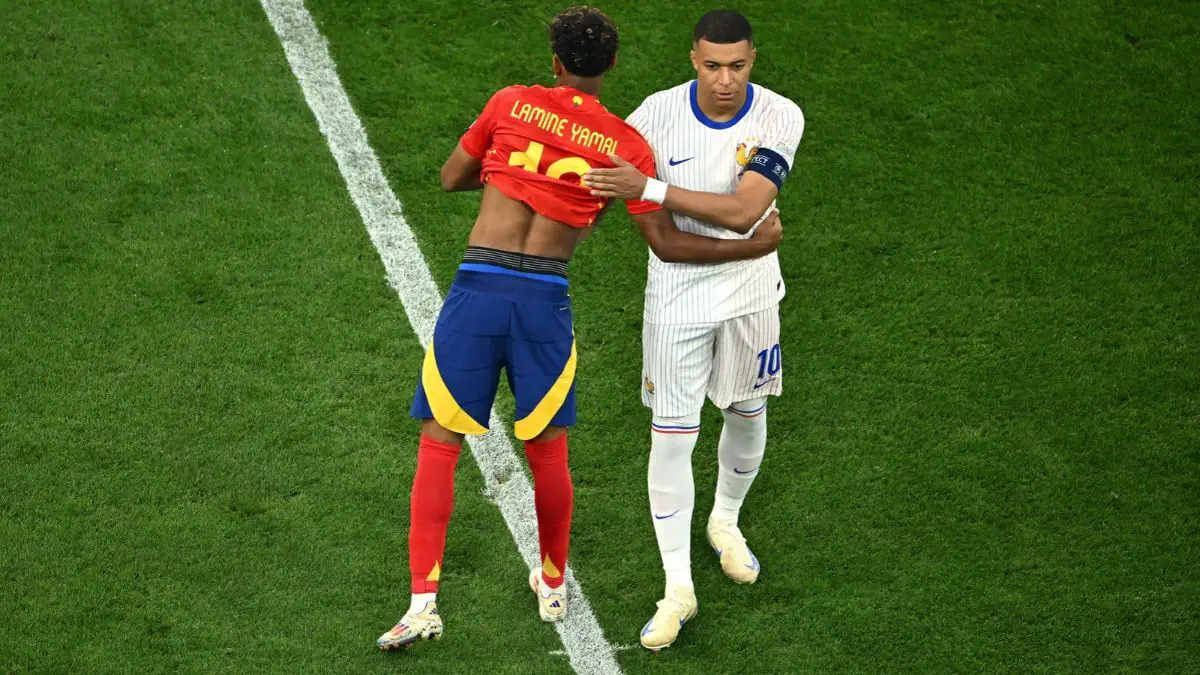
2. Lamine Yamal — Morocco and Equatorial Guinea
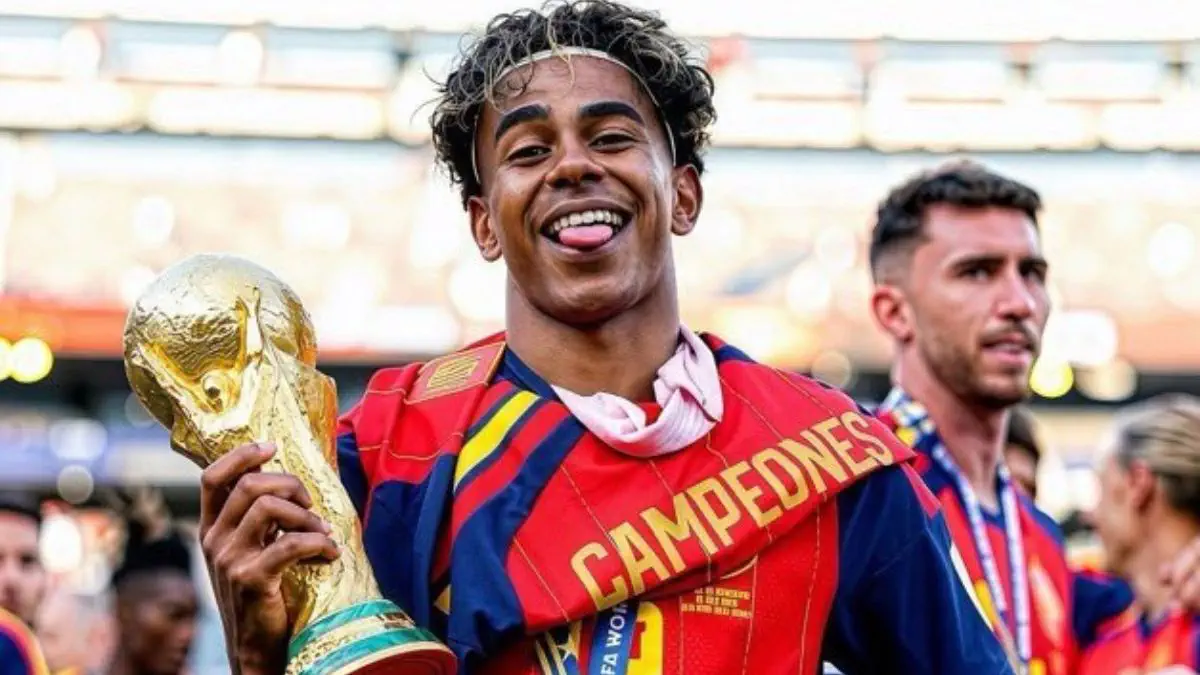
Lamine Yamal has become one of the biggest sensations in world football. The young Barcelona and Spain winger has already achieved remarkable things despite his age. His background is particularly fascinating, too.
Yamal was born on 13 July 2007 in Esplugues de Llobregat, near Barcelona. His father, Mounir Nasraoui, is of Moroccan descent, while his mother, Sheila Ebana, is from Equatorial Guinea.
Lamine therefore inherited African roots from two countries located in very different parts of the continent. He grew up in Catalonia, where he began playing football. Barcelona spotted his talent, and he went on to progress through the renowned La Masia academy and eventually break into the first team.
Yamal chose to represent Spain internationally. But playing for Spain has not stopped him from staying connected to his family heritage: the flags of Morocco and Equatorial Guinea have been seen on his boots.
1. Kylian Mbappé — Cameroon, Nigeria and Algeria
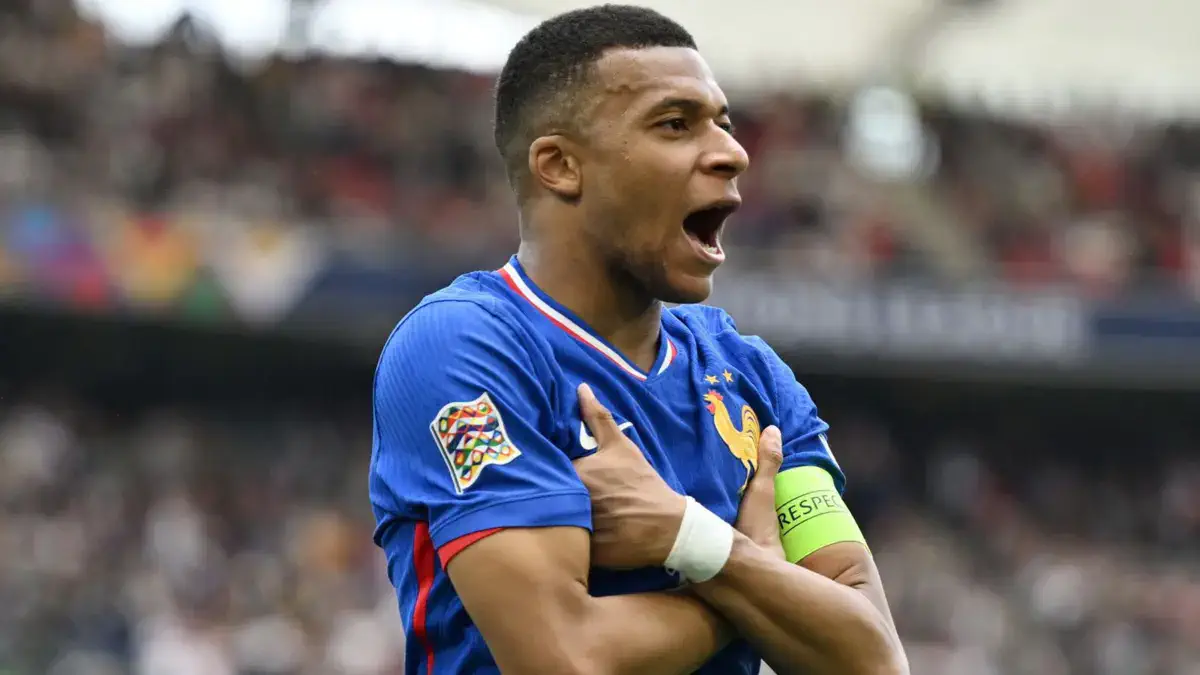
Kylian Mbappé is one of the most famous footballers on the planet, captain of France and the winner of a host of individual and team honours. Yet few people know just how diverse his family background is.
The striker’s father, Wilfried Mbappé, has Cameroonian roots as well as Nigerian heritage. He was born in Cameroon before moving to France, where he later built a career in football and became a coach. Wilfried played a key role in Kylian’s development as a footballer, helping him from an early age.
The star’s mother, Fayza Lamari, is of Algerian descent, with roots among the Kabyle people. She played handball professionally in her youth and later became one of the most important people in her son’s life.
Kylian himself was born in France and represented French teams from a young age. Still, he has never hidden his African heritage. In 2023, the footballer visited Cameroon, saw his father’s homeland and met local residents.
Why do these stories matter for African football?
All 10 footballers represent European national teams, but their family roots show just how closely modern football is connected to the African continent.
The list could go on, with plenty of other big names. Jamal Musiala, for example, has Nigerian heritage on his father’s side; Antonio Rüdiger has ties to Sierra Leone through his mother; and Leroy Sané has a connection to Senegal through his father, a former international for the country. William Saliba is also worth mentioning: his mother has Cameroonian roots. Eberechi Eze grew up in a Nigerian family but chose England. Karim Adeyemi deserves a special mention, too: his father is from Nigeria and his mother from Romania.
All of them represent European national teams despite their African heritage. That, however, is what makes modern football so distinctive: African heritage is increasingly part of the stories of stars who achieve success under the flags of other nations.
 Jan Novak
Dailysports's expert