Mbappé, Messi and John Cena: Sports superstars who were cancelled in China
A failed joke about Mao Zedong cost Kylian Mbappé advertising deals and triggered an international scandal. But the Frenchman is far from the first sports celebrity to feel China's wrath.
In modern sports, winning and collecting millions of followers are not enough. Sometimes one careless phrase can cost an athlete far more than losing a Champions League final.
Especially when that phrase concerns China — a country with a vast sports market, millions of fans and political topics that celebrities are better off avoiding unless they are ready to face the consequences.
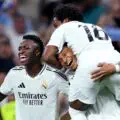
At the end of October 2026, Kylian Mbappé learned that lesson. The French superstar joked about an internet meme featuring Mao Zedong, after which Chinese companies began terminating advertising contracts, while local broadcasters removed Spanish football from their schedules.
But Mbappé is far from the first to find himself in such a situation. Lionel Messi angered China without even stepping onto a football pitch, Mesut Özil was literally removed from a video game, and famous wrestler John Cena was forced to record an apology in Chinese.
We have collected the stories of sports stars who faced boycotts, censorship or widespread outrage in China.
Kylian Mbappé — one meme, three lost sponsors and an apology from Real Madrid
At the end of October, Kylian Mbappé unexpectedly became the central figure in an international scandal that began with what appeared to be an innocent conversation about football memes.
Images of the Frenchman portrayed as various dictators have been popular on social media for several years. The reason is a series of jokes about the striker supposedly having excessive influence over club decisions, dating back to the extension of his contract with PSG in 2022.
One of those figures was Mao Zedong — the founder of the People's Republic of China.
During an interview for the French show The Bridge, Mbappé was asked which meme featuring himself he found the funniest. The footballer mentioned an image in which his face had been superimposed onto a photograph of a historical figure.
“Some man... I think a Chinese dictator,” the Frenchman said while describing the meme that made him laugh.
He did not mention Mao by name. However, the video showed an image of Mao with Mbappé's face.
According to media reports, the conversation took place back in April, but the clip was not released until October 26. In China, it was received very differently from an ordinary football joke.
Mao Zedong, who led the country from 1949 until his death in 1976, remains a symbol of the founding of the modern Chinese state. Despite his controversial historical legacy and the responsibility of his policies for mass loss of life, public mockery of him remains an extremely sensitive subject in China.
The consequences for Mbappé came almost immediately.
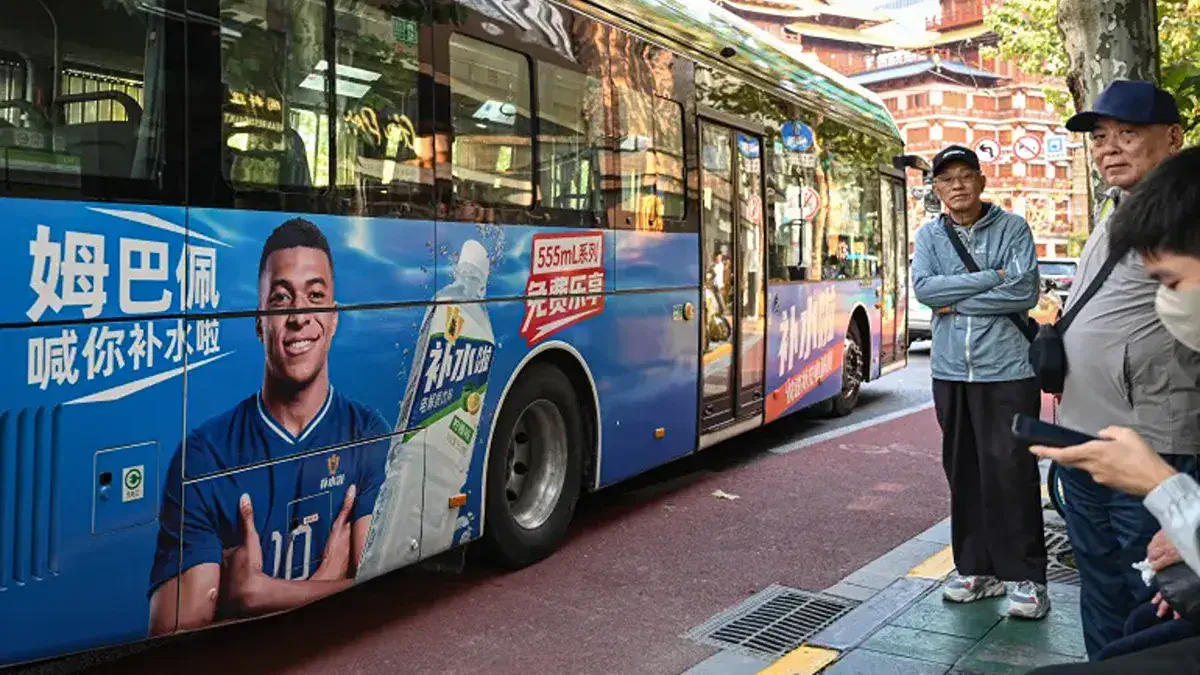
Chinese fans filmed themselves burning jerseys bearing his name and tearing down and stomping on advertising posters featuring his image.
But that was not the worst of it. Kylian began losing money — and so did La Liga.
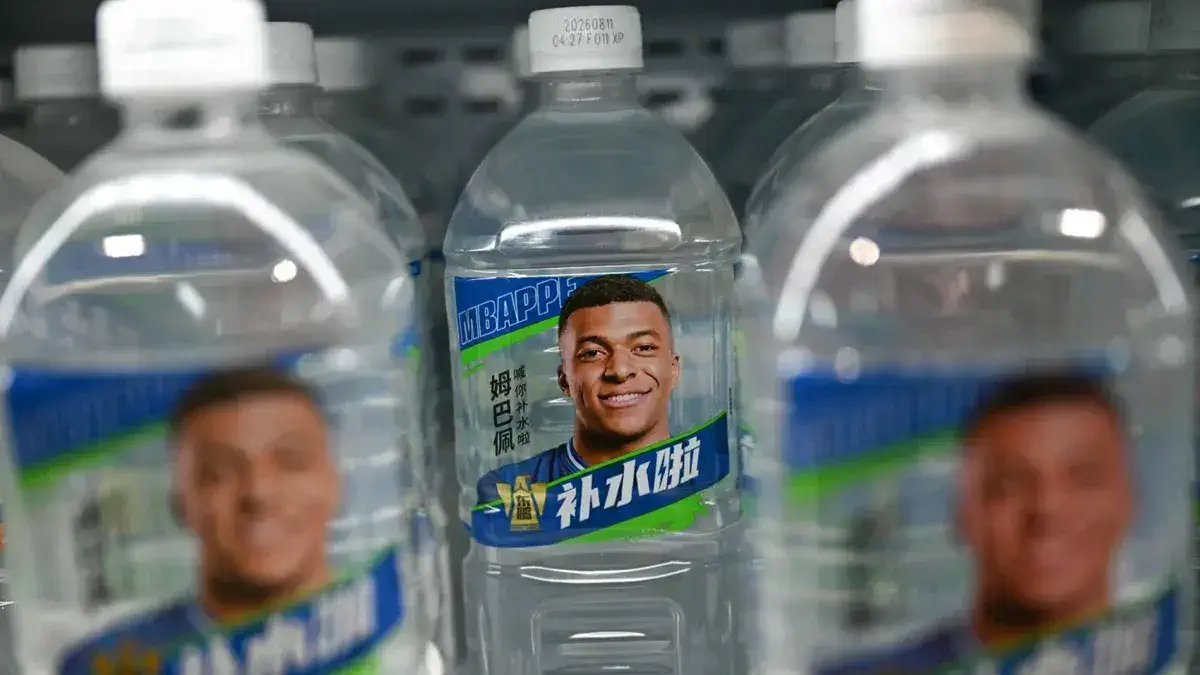
Chinese beverage manufacturer Dongpeng announced the immediate termination of its partnership with the footballer. Dairy companies Mengniu and Milkground made the same decision. The irony was especially striking: during the 2026 World Cup, Dongpeng had actively used AI-generated images of Mbappé in its advertising.
His accounts on Weibo and Xiaohongshu were restricted for new followers. State broadcaster CMG suspended La Liga broadcasts, while several Chinese platforms removed Real Madrid matches from their schedules.
The Frenchman was forced to apologize:
“My comment was inappropriate, and I now understand that it offended many people,” Mbappé admitted.
Real Madrid and La Liga later issued statements. Javier Tebas, the president of Spain's top division, even met with the Chinese ambassador, while the league created a special crisis team to resolve the situation.
On October 31, Madrid manager José Mourinho said that the club and the footballer had responded appropriately to the scandal and were ready to move forward. However, for Chinese businesses, the apology was not enough to immediately restore the partnerships.
Spanish football risks paying a huge price for the joke. A prolonged conflict with China could cost La Liga up to €100 million a year — depending on the scale and duration of the boycott. The total value of Spain's top-flight television business in China could reach €400 million by 2030. These are potential losses and the value of contracts placed at risk, not money that has already been lost. However, because of one phrase from Mbappé, the financial consequences could now be felt not only by Real Madrid but by other clubs in the Spanish league as well.
Mbappé's story served as a vivid reminder that even one of the biggest football stars on the planet can lose the favor of an important commercial market within a matter of days.
Lionel Messi — did not play in Hong Kong, but took the field in Japan
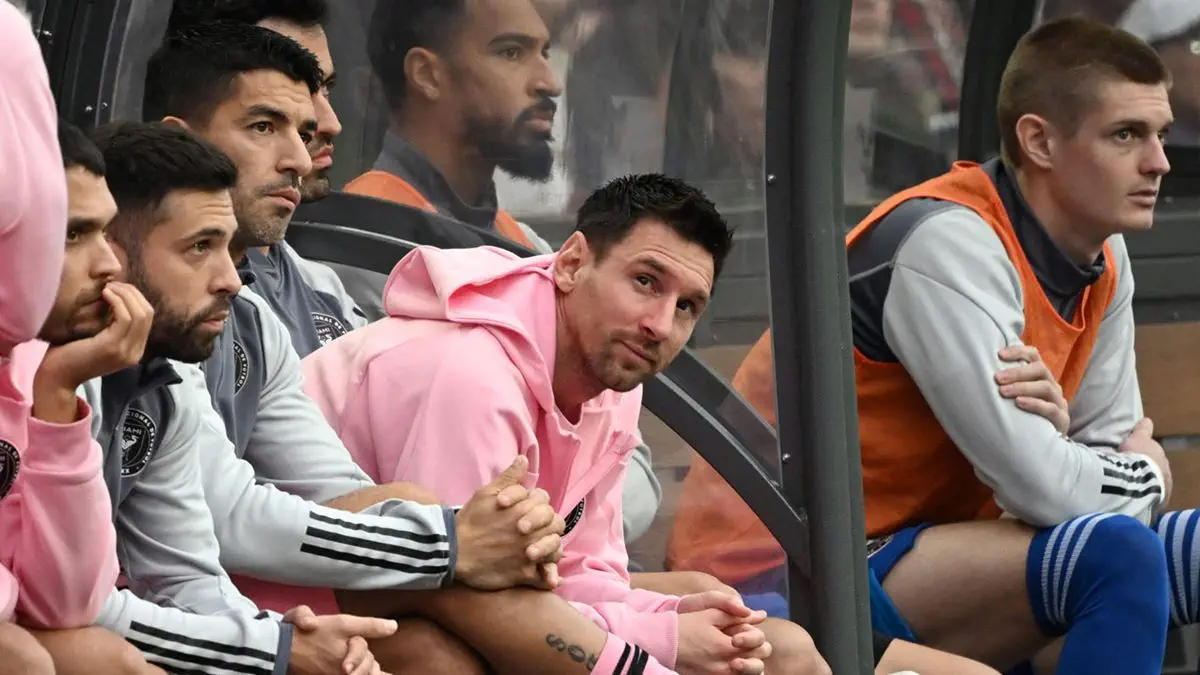
Sometimes, you do not even have to say anything to anger Chinese fans. Simply staying on the bench can be enough.
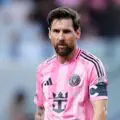
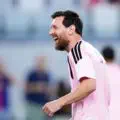
That is exactly what happened to Lionel Messi in February 2024, when Inter Miami embarked on a preseason tour of Asia.
On February 4, the American club played a friendly in Hong Kong. Local fans were waiting above all for the Argentine: around 40,000 spectators came to the stadium, while prices for some tickets reached approximately $640.
But Messi never came onto the pitch.
Inter Miami head coach Gerardo Martino explained the superstar's absence by citing physical problems. It seemed like an unpleasant but perfectly ordinary football situation.
Everything changed three days later.
On February 7, Messi came on as a substitute in a friendly against Japan's Vissel Kobe in Tokyo.
For many fans in Hong Kong, this was a genuine slap in the face. Why was the Argentine able to play in Japan but did not even appear on the pitch in Hong Kong? Before long, sporting disappointment had turned into a political scandal.
Chinese state media questioned Messi's attitude toward Hong Kong, while some local politicians spoke of disrespect toward the city. Accusations appeared on social media that the Argentine had supposedly deliberately ignored Chinese fans.
The most painful blow fell not directly on Messi but on the Argentina national team.
The Chinese side canceled friendly matches scheduled for March between the reigning world champions and Nigeria and Ivory Coast, which were due to take place in Hangzhou and Beijing. The Argentine Football Association had to move the preparatory matches to the United States.
Messi even recorded a separate video explanation for the Chinese audience:
“I have heard some people say that I did not want to play for political reasons. That is absolutely untrue. If that had been the case, I would not have traveled to Japan or visited China so many times. I had inflammation in my adductor muscle. I did everything possible, but I truly could not play. I felt discomfort and risked aggravating the injury.”
Although China did not impose a permanent ban on Messi, the scandal demonstrated how quickly even a footballer's injury can become a matter of national offense.
Mesut Özil — criticized China and disappeared from a video game
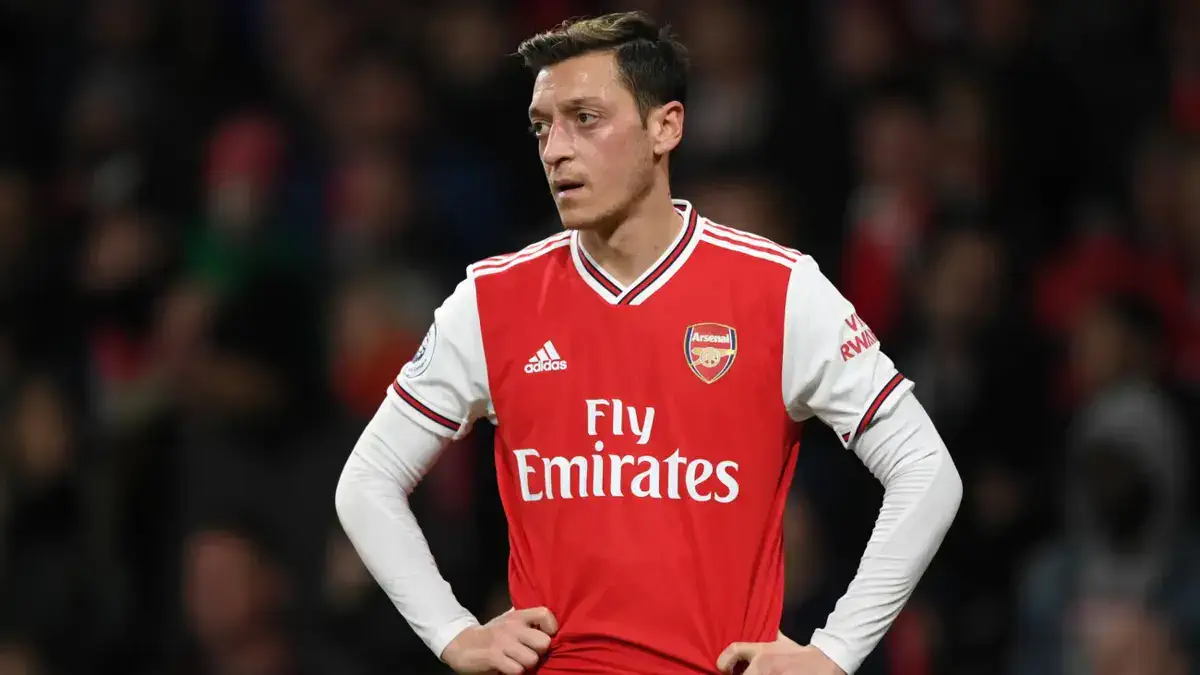
If Messi found himself in a scandal because he did not play, Mesut Özil did so because he chose to speak out.
In December 2019, the then-Arsenal midfielder published a message in support of the Uyghurs — a predominantly Muslim ethnic minority whose members live in China's Xinjiang region:
“The Qurans are burned, mosques are closed, religious schools are banned, and religious scholars are killed one after another. Our brothers are forcibly sent to camps. And Muslims remain silent.”
Beijing's response was harsh.
The Chinese Football Association called the German's statements unacceptable. State broadcaster CCTV urgently removed Arsenal's match against Manchester City from its schedule, replacing it with Tottenham's meeting with Wolverhampton.
But the most interesting development came a few days later.
NetEase, which distributed the Pro Evolution Soccer football simulator in China, announced that it was removing Özil from three versions of the game, including PES 2020 Mobile.
This was not merely a fan boycott but a concrete commercial decision.
Arsenal's own reaction was even more telling. The London club rushed to distance itself from its player's words, emphasizing that the organization adhered to the principle of noninterference in politics.
The case became one of the clearest examples of how an individual player's political statements can affect his club, television broadcasts and even the video game industry.
Enes Kanter — called Xi Jinping a dictator, and China stopped showing Boston
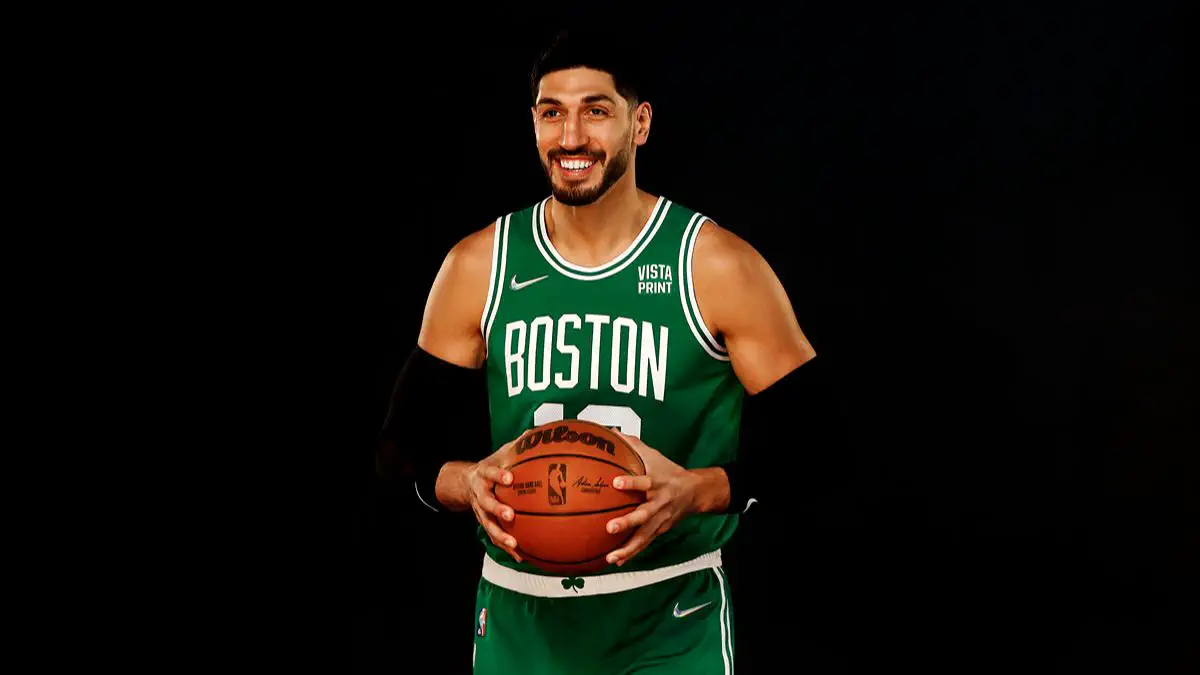
The NBA had already experienced a major conflict with China in 2019, when Houston Rockets general manager Daryl Morey supported the protests in Hong Kong. The dispute led to China's state television network suspending broadcasts of league games.
But two years later, the situation was inflamed by a player himself.
In October 2021, Boston Celtics center Enes Kanter, who later took the surname Freedom, published a series of video messages criticizing the Chinese authorities and their policy toward Tibet:
“Brutal dictator of China Xi Jinping, I have a message for you and your cronies. I will say this again and again, loud and clear: Free Tibet! Free Tibet! Free Tibet!”
He openly called Xi Jinping a “brutal dictator,” supported the Free Tibet campaign and unveiled special basketball sneakers featuring political slogans:
China's response was swift.
Tencent — one of the NBA's key partners in China — removed Boston Celtics games from its platform, including archived footage. The basketball player's name also faced restrictions on the Chinese social network Weibo.
Paradoxically, at the time of the first boycott, Kanter had not even taken the court in the season opener against the New York Knicks.
But his political stance was enough to leave Chinese viewers without broadcasts of an entire team.
Unlike many other athletes on this list, Kanter did not rush to apologize. On the contrary, he continued to criticize Beijing publicly.
The story was particularly revealing for the NBA, which had spent years investing in the development of the Chinese market: the conflict between an individual basketball player's freedom of speech and the league's enormous commercial interests proved extremely uncomfortable.
John Cena — the WWE champion who had to apologize in Chinese
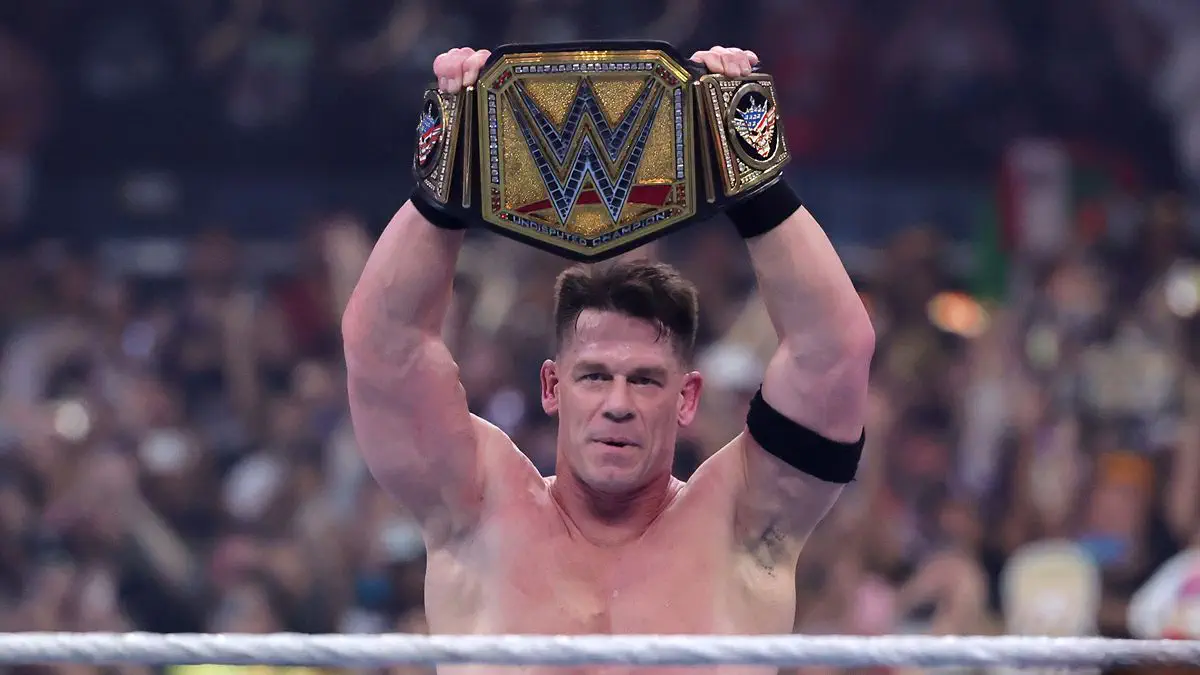
John Cena is used to defeating opponents in the ring, but in May 2021 he faced an adversary that could not be overcome with his famous Attitude Adjustment.
That adversary was Chinese social media.
The multiple-time WWE champion, who was already actively building a career in Hollywood, was promoting the ninth installment of “Fast & Furious”. In an interview with Taiwanese television, he said that Taiwan would be the first country where the film would be shown.
In the West, such wording would hardly have attracted much attention.
But for Beijing, Taiwan's status is one of the most sensitive political issues. The Chinese authorities consider the island part of their territory and strongly oppose its recognition as an independent state.
Chinese social media users began demanding an explanation from Cena.
Then the wrestler did something American fans were unlikely to have expected: he recorded an apology video in Mandarin:
“I love and respect China and the Chinese people. I am very sorry for my mistake. I'm sorry. I am truly very sorry,” Cena said.
Interestingly, the wrestler had been studying Chinese for years and was actively trying to build popularity in the country.
Even so, his apology did not satisfy everyone.
Some Weibo users demanded that he explicitly say in Chinese that Taiwan is part of China. Cena did not say that in his video.
At the same time, the story had another side. In the United States, the actor faced criticism simply for apologizing, which many saw as a concession to Beijing in exchange for access to the Chinese film market.
As a result, Cena found himself caught between two audiences: one demanded even greater repentance, while the other condemned him for being too accommodating.
He was not completely excluded from China's media space, but the story remains one of the best-known examples of how dangerous a single word can be for global celebrities.
Dwight Howard — repeated Cena's mistake while promoting Taiwan
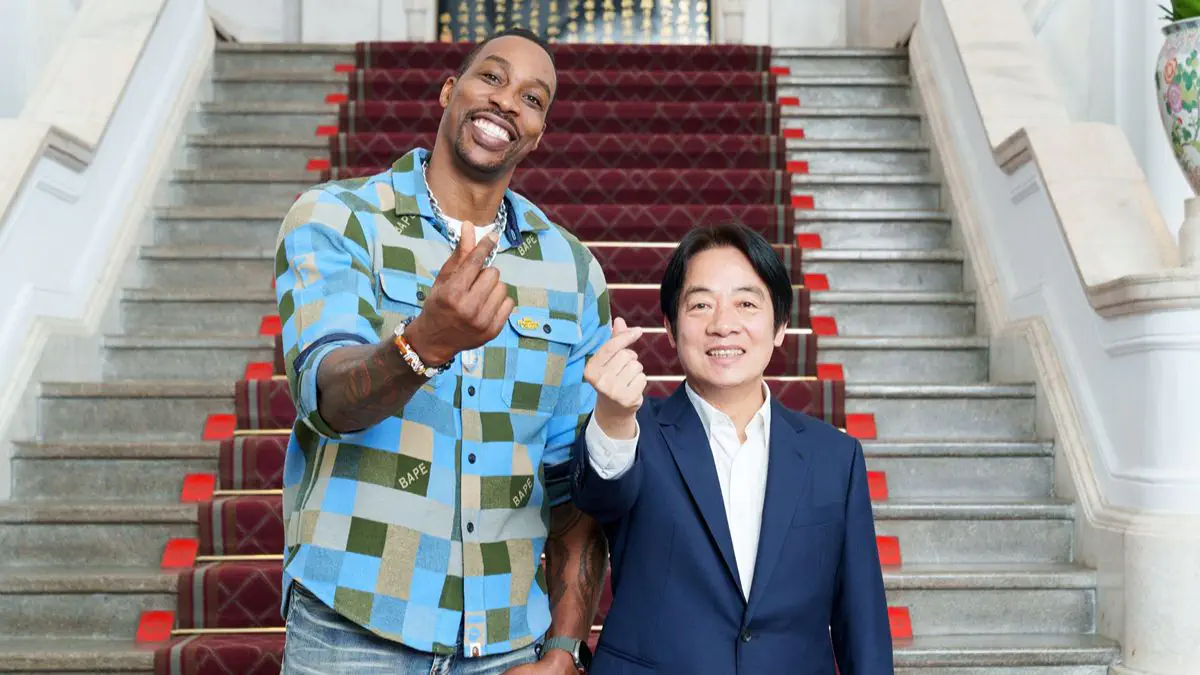
After John Cena's experience, it seemed that other celebrities should have remembered just how sensitive the subject of Taiwan is for China.
But in May 2023, former Los Angeles Lakers center and NBA champion Dwight Howard stepped on the same rake.
At the time, the basketball player was playing for Taiwanese team Taoyuan Leopards and had become one of the biggest stars in the local league.
Howard also appeared in a tourism advertisement for Taiwan, where he starred alongside the island's then-vice president, Lai Ching-te.
“Since I came to Taiwan, I have begun to appreciate this country even more,” the basketball player said in the video.
The word “country” immediately attracted the attention of Chinese users.
A hashtag linked to accusations that Howard supported Taiwan's independence received more than 400 million views on Weibo. The full version of the advertisement began disappearing from Chinese platforms.
The basketball player quickly tried to explain the situation.
Howard said that he was not involved in politics and that he sometimes used the English word country simply to refer to a particular area.
“I'm not a politician. I do not want to get involved in political issues,” the former NBA player emphasized.
He also apologized if his words had offended anyone and stressed that he respected both Chinese and Taiwanese people.
Interestingly, Howard faced criticism just as he had become a genuine fan favorite among the Taiwanese public.
For him, it was a lesson that sporting popularity on one side of the Taiwan Strait in no way guarantees favor on the other.
Mack Horton — refused to stand alongside a Chinese champion
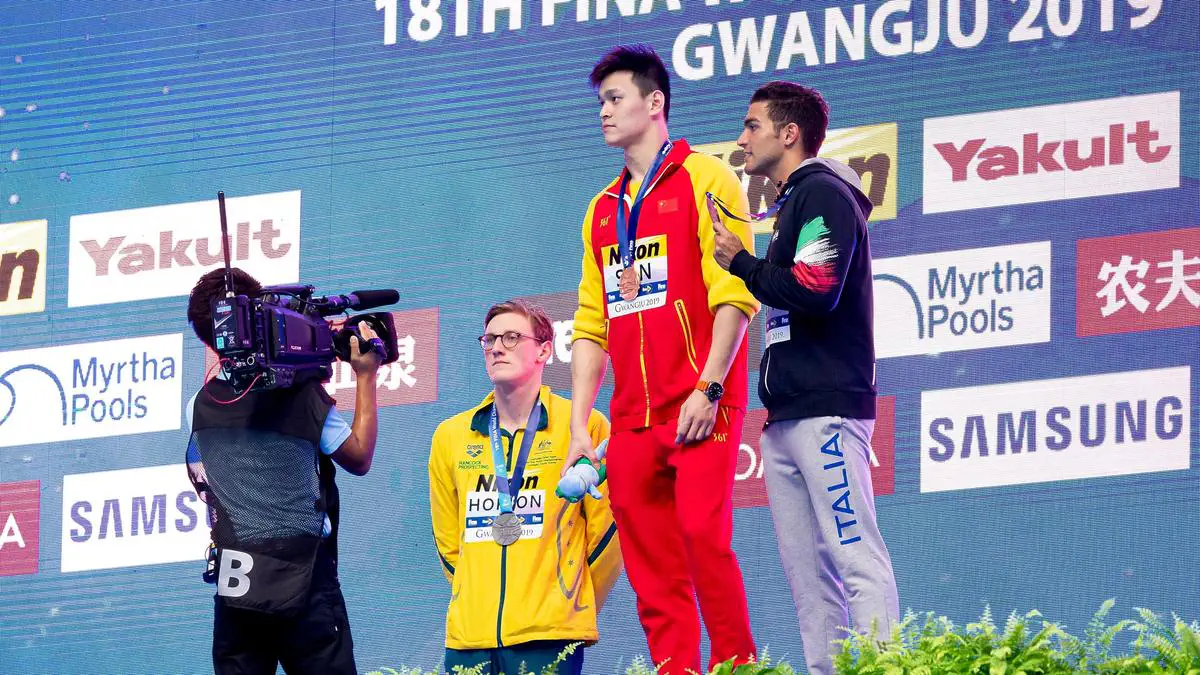
Not every conflict with China begins with politics. Sometimes, an ordinary medal podium is enough to trigger a huge international scandal.
At the 2019 World Aquatics Championships in Gwangju, South Korea, Chinese swimmer Sun Yang won the 400-meter freestyle.
Australian Mack Horton — the Rio 2016 Olympic champion — finished second. He had already been in a long-running conflict with Sun Yang over the swimmer's doping history.
During the medal ceremony, Horton received the silver medal but refused to step onto the podium for a joint photograph with the Chinese athlete.
He remained standing behind, making his feelings toward his rival clear.
To understand the situation, the context is important: Sun Yang had previously served a three-month doping suspension in 2014, while at the time of the world championships a new dispute over the doping-control procedure was still under review.
In China, however, Horton's act was seen as more than a protest against one particular swimmer.
“Disrespecting me is fine, but disrespecting China is upsetting,” Sun Yang said.
Those words largely determined how the scandal unfolded from that point onward.
Horton's social media accounts were flooded with abusive messages. The Australian swimmer, his family and his girlfriend even received death threats.
Interestingly, the sporting community reacted very differently. American Olympic champion Lilly King said that other swimmers gave Horton an ovation in the athletes' village dining hall.
FINA, however, sent the Australian an official warning over his behavior at the medal ceremony.
Ultimately, one gesture without a single political slogan turned an ordinary dispute between two swimmers into a major confrontation in the sporting world.
Andrew Bogut — joked about a hammer and received threats
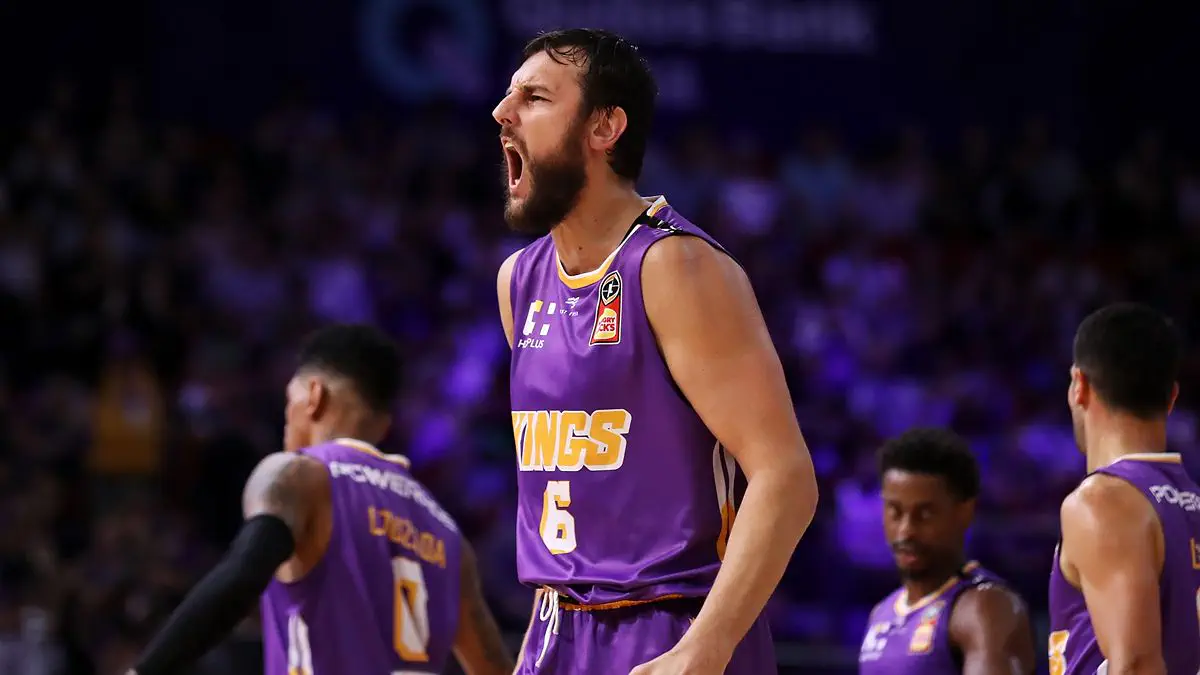
Sun Yang's story did not end there. Another famous Australian athlete decided to join in — 2015 NBA champion with the Golden State Warriors Andrew Bogut.
In July 2019, the basketball player posted a sarcastic tweet about the Chinese swimmer's doping case:
“Swimmers who win medals in events against Sun Yang should smash the podiums with hammers.”
The tweet has since been deleted. It referred to the controversial 2018 test, during which a container holding Sun Yang's blood sample was smashed with a hammer.
For Bogut, it was a joke, albeit a highly provocative one. But Chinese fans did not appreciate it.
The Australian later said that his message triggered a wave of aggression, death threats and threats of sexual violence. Even his wife and children came under attack.
According to the basketball player, some potential sponsors pulled out of partnerships with him because of the scandal.
The real continuation of the story came at the 2019 FIBA Basketball World Cup, hosted by China.
Bogut recalled that local fans booed him practically every time he touched the ball.
Moreover, according to the Australian, an unpleasant incident occurred while he was on the bench:
“The only truly serious moment came during one of the games, when someone in the crowd threw a metal bolt at me.”
At the same time, Bogut acknowledged an interesting contrast: away from the arenas, ordinary Chinese people he met in hotels, restaurants and shopping centers treated him warmly.
This detail clearly shows that the loud reaction of some fans should not be equated with the position of everyone in the country.
The Bogut scandal also became an example of how a dispute between swimmers can turn into a problem for a basketball player — and continue to haunt him months later.
Peng Shuai — the tennis player whose story was nearly erased from the Chinese internet
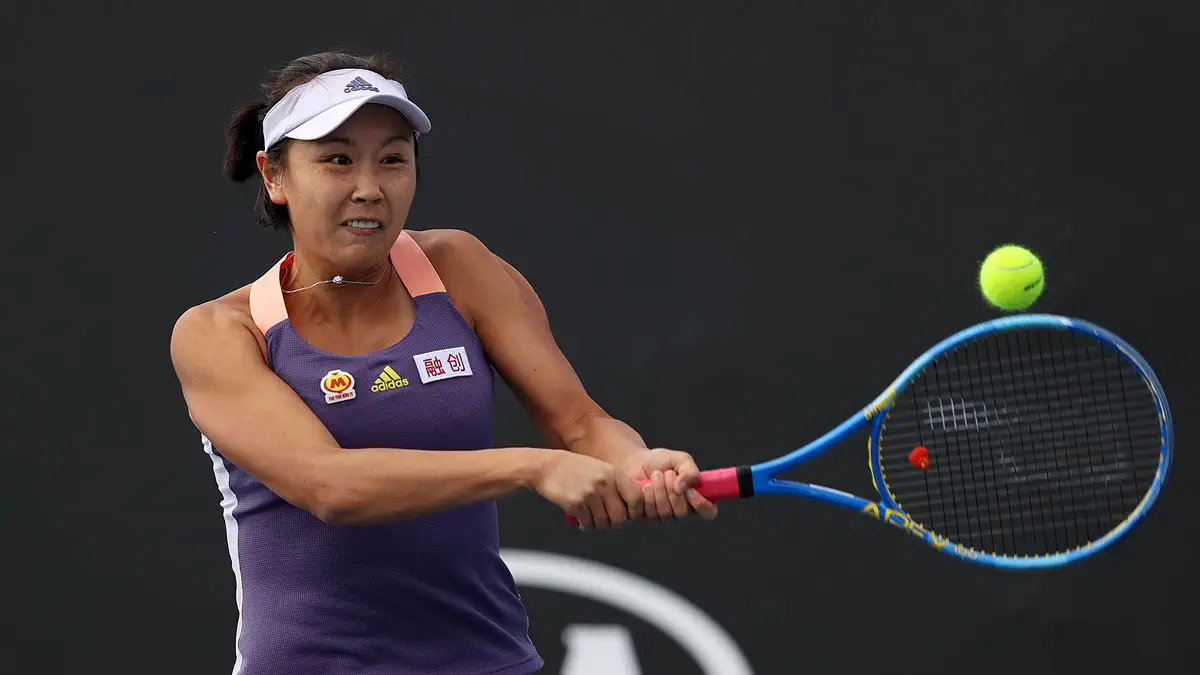
Peng Shuai's story is different from all the previous ones. She was not a foreign celebrity who accidentally angered Chinese fans. On the contrary, she was one of China's most famous tennis players, and her public accusations became the subject of strict censorship.
The former world No. 1 in doubles, a Wimbledon and French Open champion, Peng Shuai was regarded as one of the most successful athletes in her country.
But in November 2021, her life changed after a post on the Chinese social network Weibo.
The tennis player accused former Chinese vice premier Zhang Gaoli of sexual coercion, one of the most influential figures in China's political elite:
“That day I initially refused and kept crying the entire time. After dinner, I still did not want it, and you said that you hated me.
Why did you find me again, bring me to your home and force me to have sex with you? I could not describe how disgusted I felt and how many times I asked myself: am I still human? I felt like a walking corpse.”
Peng Shuai also described how Zhang persuaded her to resume their relationship, assured her that he had not forgotten her for seven years and promised to treat her well. According to her account at the time, she eventually agreed to have sex while feeling frightened and confused.
Soon afterward, the post disappeared from the internet. Discussion of the subject on Chinese platforms began to be blocked, while the athlete herself barely appeared in public for some time.
The situation sparked international concern.
The campaign #WhereIsPengShuai gained popularity on social media, while leading tennis players around the world demanded explanations about the Chinese athlete's safety.
The Women's Tennis Association WTA took the strongest step.
In December 2021, the organization announced the suspension of its tournaments in China, saying it could not ignore Peng Shuai's situation.
It was an unprecedented decision in women's tennis, as the Chinese market was of enormous financial importance to the WTA.
Later, the athlete appeared in public and in interviews denied having made accusations of sexual assault:
“I never said or wrote that someone had sexually assaulted me. I want to emphasize this particularly.”
Nevertheless, international concerns about the freedom of her statements and the circumstances surrounding them remained.
In April 2023, the WTA eventually announced the return of tournaments to China, acknowledging that after 16 months of suspending events, the organization had failed to achieve its objectives.
Peng Shuai's story highlights another side of sports scandals in China: sometimes celebrities do not face the anger of fans but censorship within their own country.
Why are even the world's biggest stars afraid of conflicts with China?
At first glance, the stories of Mbappé, Messi, Özil, John Cena and the other celebrities have little in common.
One made an ill-judged joke about a historical leader, another missed a friendly match, a third expressed a political position, while a fourth simply called Taiwan a country.
Yet all these cases share one feature: in China, sporting popularity cannot always protect a celebrity from political or public outrage.
For global stars, the Chinese market means not only millions of fans but also huge advertising contracts, television rights, jersey sales, licensed merchandise and opportunities to work with local brands.
That is why even clubs and organizations that were not directly involved in the scandals are forced to react. Arsenal distanced itself from Özil's words, Argentina lost friendly matches after the Messi incident, and Real Madrid and La Liga leadership had to apologize because of Mbappé.
The latest Mbappé scandal showed how quickly an ordinary episode from the internet can become a problem for the entire football industry.
In Europe, the image of Mbappé portrayed as a dictator was a meme about his influence in football. In China, the same joke led to contract terminations, social-media restrictions, canceled broadcasts and apologies at the highest club level.
And perhaps that best sums up such stories: for global sports stars, it can sometimes be far easier to defeat the toughest opponent on the field than to emerge victorious from a conflict over one ill-judged remark.
 Steven Perez
Dailysports's expert