Kane next? The Ballon d'Or curse: from van Basten's downfall to Rodri's injury
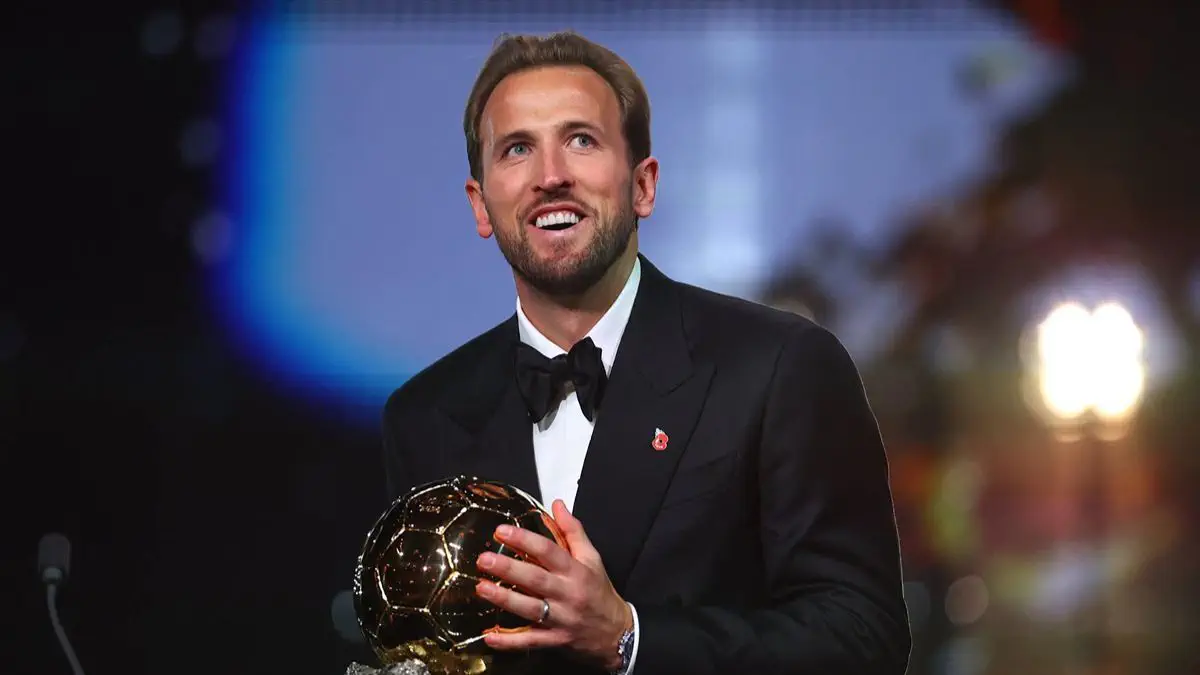
Football's most prestigious individual award does not always guarantee a happy continuation of a player's career. For some legends, the Ballon d'Or became the final great peak before a painful decline.
The Ballon d'Or is the highest form of individual recognition in world football. It is the dream players work toward for years, and sometimes their entire lives. It would seem that after receiving the coveted trophy, a career should reach a new level. Yet football history knows many cases in which the opposite happened.
From Marco van Basten's sudden retirement to Rodri's serious injuries, some Ballon d'Or winners faced their greatest challenges at the peak of their fame or shortly afterward. Some lost their former goalscoring form, some ended up on the operating table, while others had to learn how to play football all over again.
At times, it seems that footballers receive an invisible curse along with the Ballon d'Or. One after another, the best players on the planet found themselves in the treatment room, lost their former form or even ended their careers prematurely. And although each of these stories has its own causes, the number of such coincidences makes you wonder: what if football's most prestigious individual award really does have a dark side?
We have collected ten stories — from relatively mild declines to genuine sporting tragedies.
10. Ronaldinho (2005) — the smile that gradually disappeared
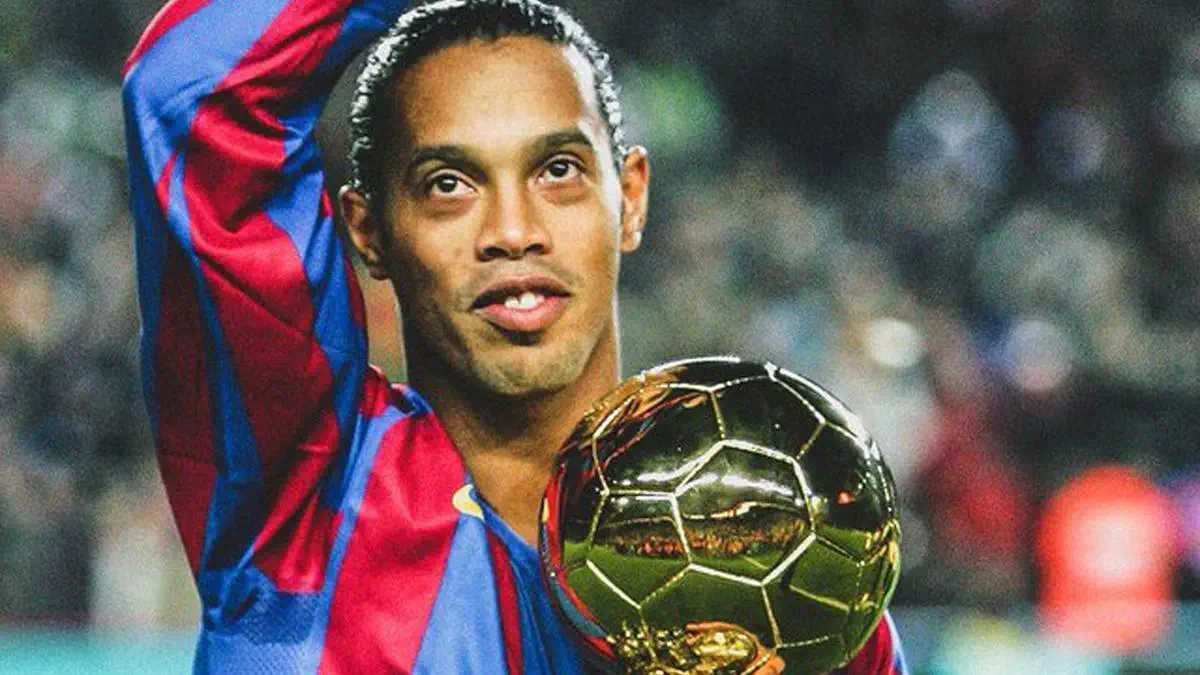
In 2005, Ronaldinho was the embodiment of football magic. The Brazilian did things on the pitch that seemed impossible to everyone else: dribbling past several opponents, scoring unbelievable goals and doing it all with his trademark smile.
The Ballon d'Or was the natural reward for his performances at Barcelona. The following year, the Catalan club won the Champions League, beating Arsenal in the final.
However, the Brazilian's career soon began moving in a different direction. After the triumphant 2006 season, Ronaldinho increasingly struggled with physical problems, while his influence on Barcelona's play gradually diminished.
In the spring of 2008, he suffered a hamstring injury that effectively ended his season. That summer, the Brazilian left Barcelona and joined Milan.
He was only 28 years old at the time.
Ronaldinho continued to display his talent in Italy, but the explosive magic that had brought him the Ballon d'Or was never again seen in quite the same measure.
After Milan, he returned to Brazil, playing for Flamengo and Atlético Mineiro, with whom he even won the Copa Libertadores in 2013. Then came Mexican side Querétaro, a brief spell at Fluminense and his official retirement in 2018.
Then, in 2020, Ronaldinho's life took another incredible turn. The former world's best footballer was arrested in Paraguay for using fake passports. He spent 32 days in prison, followed by several more months under house arrest in a hotel, until he was released in August.
The journey from the Ballon d'Or to a prison cell was certainly not the future Barcelona fans had imagined when they applauded the Brazilian genius.
9. Kaká (2007) — the last king before the Messi and Ronaldo era
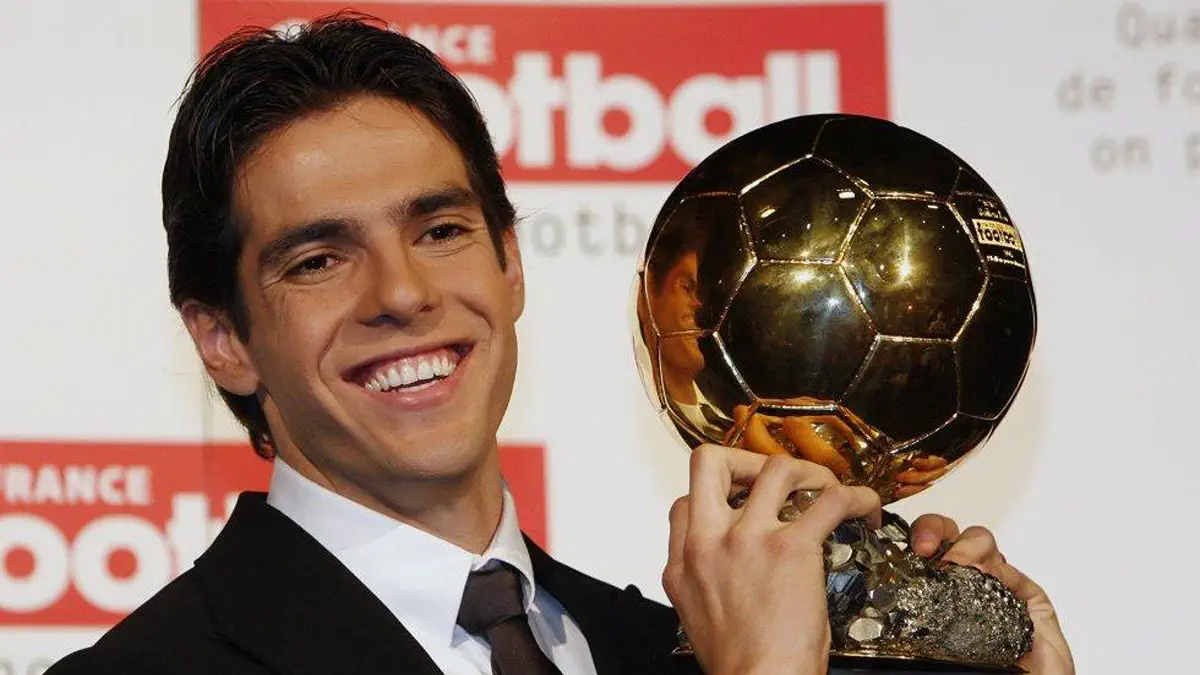
In 2007, Kaká seemed like the perfect footballer. Incredible speed with the ball, elegant movement, outstanding vision and the ability to decide the outcome of the biggest matches.
The Brazilian led Milan to Champions League glory, scoring ten goals in the competition, and deservedly received the Ballon d'Or.
He became the last winner before Lionel Messi and Cristiano Ronaldo's decade-long dominance.
But if Kaká was at the summit of world football in 2007, the situation had changed dramatically just a few years later.
In 2009, Real Madrid signed the Brazilian for a huge fee. He was expected to become one of the main symbols of a new generation of Galácticos.
Instead, he began to be plagued by injuries.
Groin problems prevented him from completing his first season in Madrid, and in August 2010 Kaká underwent surgery on his left knee. His recovery lasted around four months.
The Brazilian still won trophies with Real Madrid, but he never managed to reproduce the level he had reached at Milan.
In 2013, he returned to Milan, but did not stay there for long. He spent the final years of his career in the United States with Orlando City, and in December 2017 announced his retirement from professional football at the age of 35.
In the ten years after winning the Ballon d'Or, Kaká never again came close to the level that had once made him the best footballer on the planet.
8. Ousmane Dembélé (2025) — the award arrives in the middle of treatment
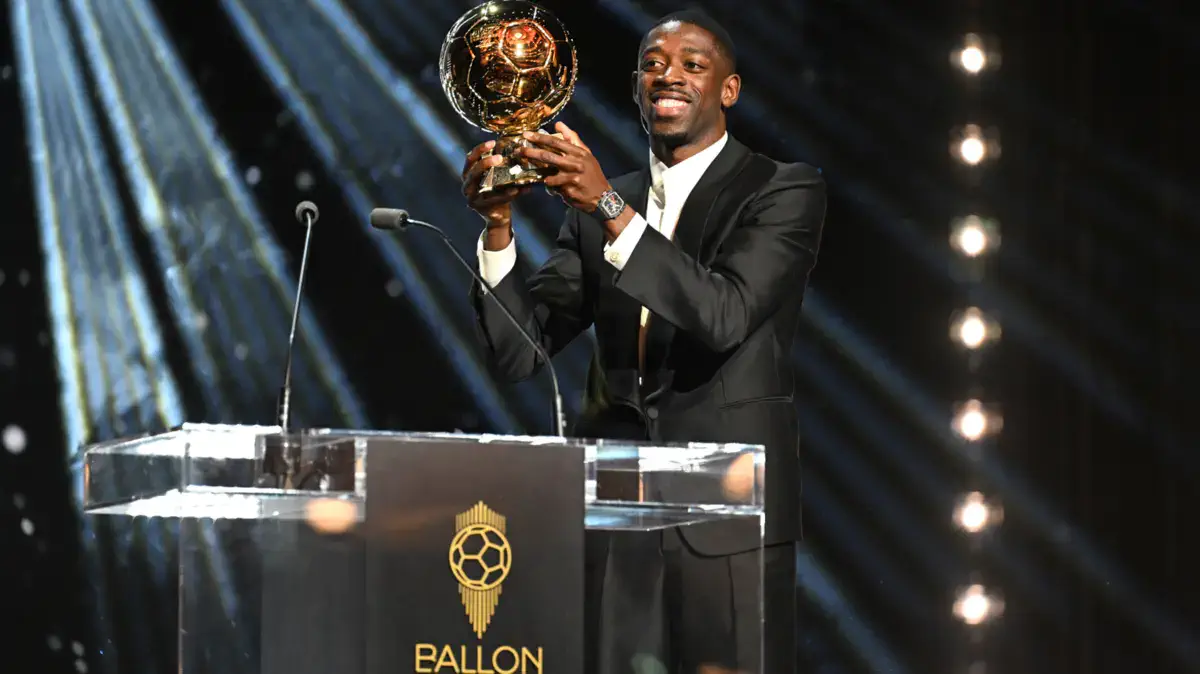
Ousmane Dembélé's story is particularly intriguing because it unfolded only recently.
In the 2024/25 season, the Frenchman produced the best campaign of his career. He scored 37 goals, provided 15 assists and helped PSG win the Champions League for the first time.
On September 22, 2025, Dembélé received the Ballon d'Or. However, by then he was already in the treatment room.
On September 5, during France's match against Ukraine, he suffered a serious injury to the back of his right thigh. Doctors predicted approximately six weeks of recovery.
After his return, the situation did not improve much.
In November 2025, Dembélé injured his calf in a match against Bayern and was sidelined for several more weeks. In February 2026, the Frenchman suffered another calf problem.
The irony is obvious: a player who had finally shaken off the reputation of being talented but injury-prone won the biggest individual award — and once again found himself fighting to preserve his own health.
Still, Dembélé had time to remind everyone of his talent at the 2026 World Cup, scoring a hat-trick against Norway and helping France reach the semi-finals.
His career is still ongoing, so it is too early to draw a final line under this story. Perhaps the Frenchman will reproduce his triumphant season — if injuries finally allow him to.
7. Ronaldo (1997) — the Phenomenon who could have lost everything twice
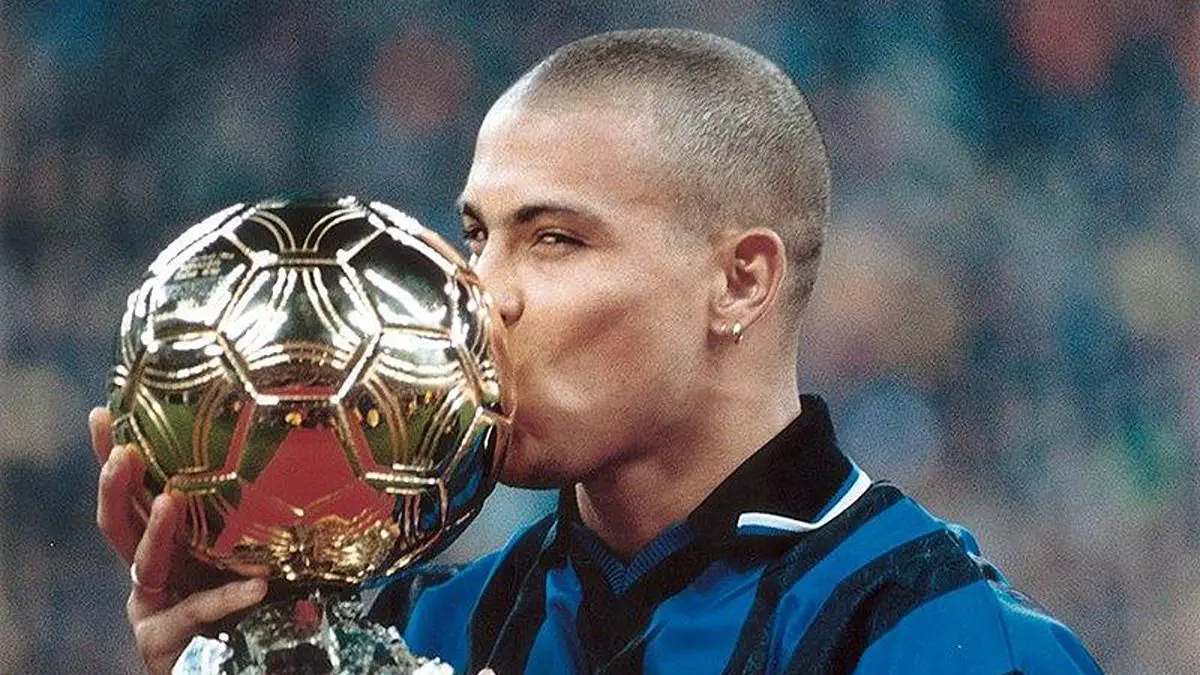
In the late 1990s, Ronaldo was called the Phenomenon for a reason.
The Brazilian possessed an almost supernatural combination of speed, technique and goalscoring ability. In 1997, at just 21 years of age, he became the youngest Ballon d'Or winner at the time.
It seemed that decades of absolute dominance lay ahead.
But in the autumn of 1999, the Inter striker suffered a serious injury to the tendon in his right knee. After surgery and a lengthy recovery, he finally returned to the pitch on April 12, 2000, in a Coppa Italia match against Lazio.
His comeback lasted approximately six minutes.
While attempting his trademark trick, Ronaldo injured the same knee again. He fell to the turf screaming in pain, and the new injury proved even more devastating.
At that point, many doubted whether the Brazilian would be able to continue his career at all.
Yet Ronaldo's story received an almost Hollywood-style ending. In 2002, he returned, scored eight goals at the World Cup, netted twice in the final against Germany and led Brazil to the title.
That same year, the Phenomenon won his second Ballon d'Or.
Ronaldo then spent another five years at Real Madrid, winning La Liga twice. He later played for Milan and Brazilian club Corinthians before ending his professional career in February 2011.
Injuries did take away some of his former speed, but even after two catastrophic setbacks he managed to return to the footballing summit.
It is probably the only case in our ranking in which a footballer not only survived the supposed curse, but literally destroyed it.
6. Karim Benzema (2022) — from the Ballon d'Or to a shattered dream in a month
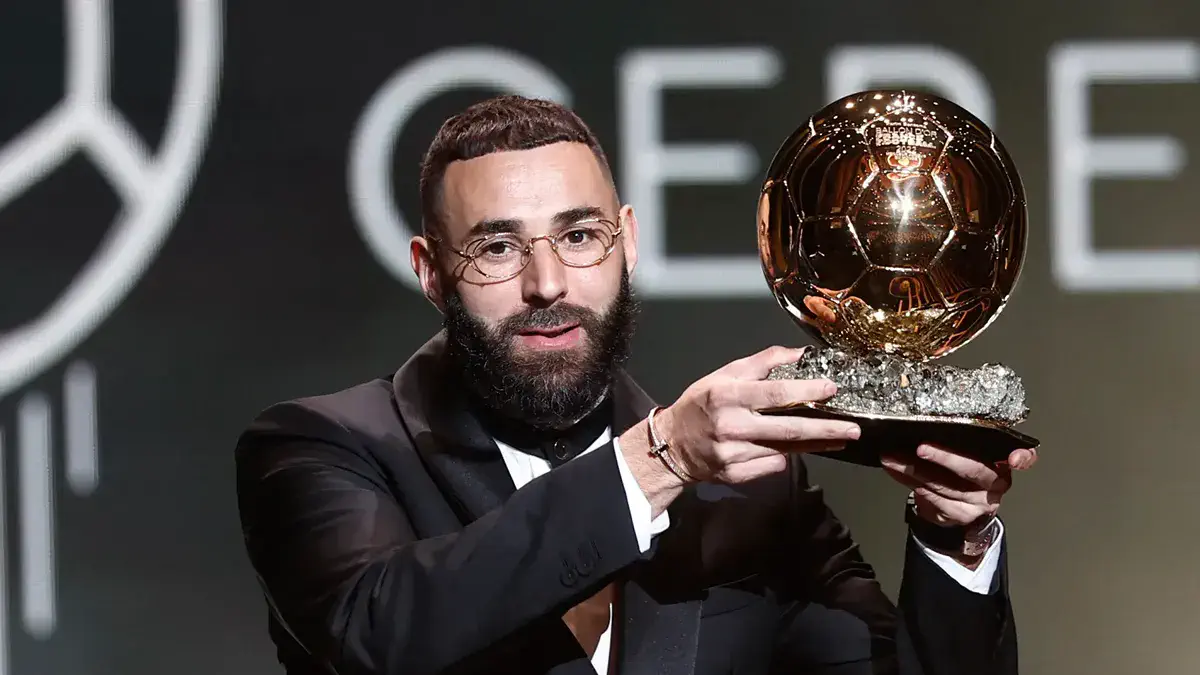
On October 17, 2022, Karim Benzema received the Ballon d'Or after an outstanding season with Real Madrid.
The Frenchman was the main hero of Madrid's victorious Champions League campaign, scoring decisive goals against PSG, Chelsea and Manchester City.
At the age of 34, he finally received the award he had pursued throughout his career.
The World Cup in Qatar lay ahead — a tournament in which the reigning Ballon d'Or winner was expected to be one of France's leaders.
But on November 19, literally on the eve of the tournament, Benzema suffered a thigh injury in training.
Scans showed that the striker would need several weeks to recover. He left the national team's camp and missed the entire tournament.
France reached the final without him, losing to Argentina on penalties.
And in December 2022, Benzema announced his retirement from international football.
Just over a month separated the Frenchman's greatest individual triumph from one of the most painful disappointments of his career.
At club level, however, Benzema continued playing. In 2023, he left Real Madrid and joined Saudi club Al-Ittihad, with whom he won the league and domestic cup in the 2024/25 season while being named the league's best player.
In February 2026, the Frenchman moved to Al-Hilal. So although the Ballon d'Or did not bring him happiness ahead of the World Cup, the ordeal did not manage to destroy the striker's career completely.
5. Michael Owen (2001) — the last Englishman before Kane
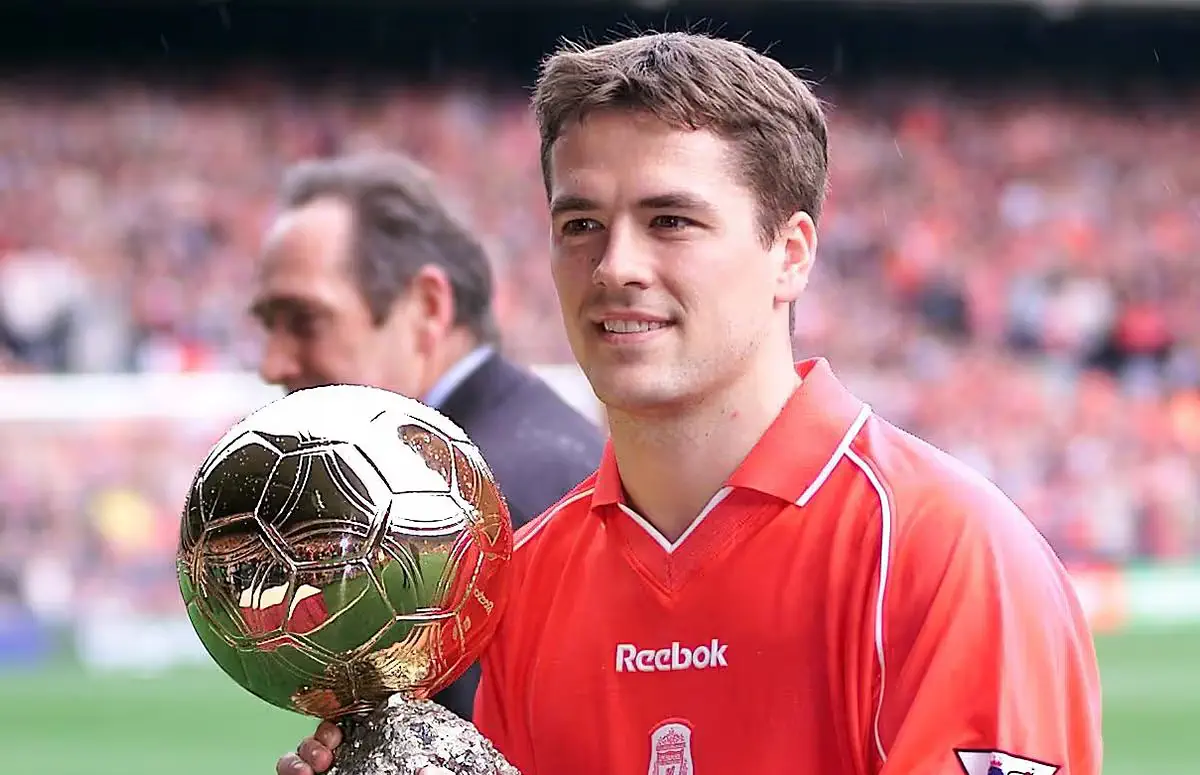
In 2001, Michael Owen was only 22 years old. He had already become one of the biggest stars in English football, won three cup competitions with Liverpool in a single season and received the Ballon d'Or.
His greatest weapon was speed.
Owen could leave a defender trailing with one burst, make instant runs in behind the defence and finish attacks with the composure of an experienced goalscorer.
But his own body eventually became his greatest enemy.
Hamstring problems had started even before he received the award. Owen continued scoring heavily for Liverpool after 2001, but the injuries gradually accumulated.
In December 2005, by then playing for Newcastle, he broke a metatarsal. At the 2006 World Cup, he suffered a ruptured anterior cruciate ligament.
After that, his former explosive pace became an advantage far less often.
Years later, Owen admitted that toward the end of his career he was literally afraid to make explosive runs, expecting another muscle injury. He said that during the final six or seven years, he no longer enjoyed football.
After Newcastle, Owen joined Manchester United, winning the Premier League in 2011. He spent his final season at Stoke City and retired in the summer of 2013 at the age of 33.
Unlike van Basten, the Englishman was able to spend many more seasons at the professional level, but he never regained his status as one of the most dangerous strikers on the planet.
The particular symbolism of this story is that Owen remained the last English Ballon d'Or winner for 25 years — until Harry Kane's victory in 2026.
4. Andriy Shevchenko (2004) — from the summit of Europe to the Istanbul nightmare
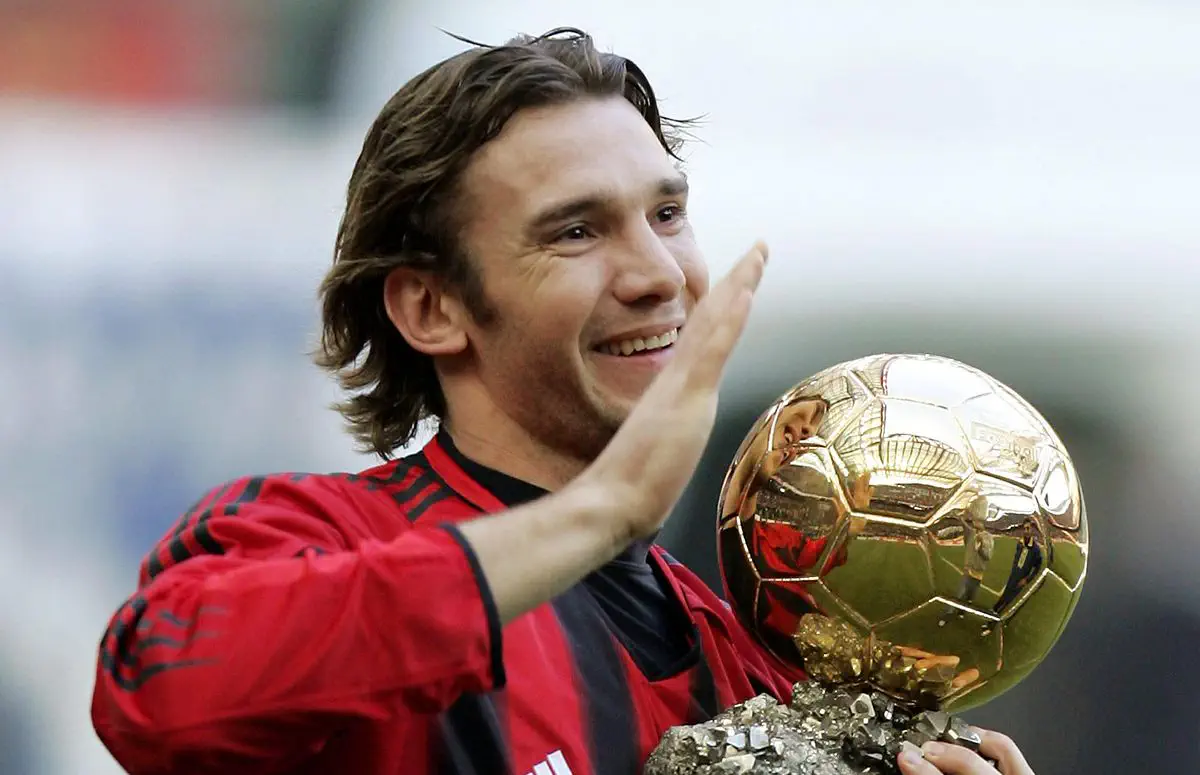
On December 13, 2004, Andriy Shevchenko experienced one of the happiest moments of his career.
AC Milan striker and Ukraine international Andriy Shevchenko received the Ballon d'Or, finishing ahead of Deco, Ronaldinho and Thierry Henry.
The Ukrainian earned the award with brilliant performances in Italy. In the 2003/04 season, he scored 24 goals in Serie A, finished as the league's top scorer and helped Milan win the Scudetto.
But just five months later, Shevchenko found himself at the centre of one of the most painful football dramas of the 21st century.
On May 25, 2005, Milan faced Liverpool in the Champions League final in Istanbul.
At half-time, the Italians were leading 3-0. The trophy appeared to be theirs already.
Yet within a few minutes of the second half, Liverpool scored three times to level the match.
In extra time, Shevchenko had a glorious chance to put everything right, but Jerzy Dudek produced an incredible double save from the Ukrainian's close-range efforts.
And in the penalty shootout, Shevchenko himself missed the decisive kick.
Only the day before, he had been Europe's best footballer. Now he stood in the middle of Istanbul, watching the opponents celebrate.
His genuine sporting decline, however, began later. In the 2005/06 season, Andriy was still in excellent form: 28 goals in 40 matches for Milan in all competitions.
But his move to Chelsea in the summer of 2006 became a turning point.
In his first Premier League season, Shevchenko scored just four goals in 30 matches. By comparison, he had scored 19 times in 28 Serie A appearances during his final season in Italy before the move.
Even a return to Milan in 2008 could not revive his former goalscoring form: the Ukrainian failed to score in 18 league appearances.
In 2009, Shevchenko returned to his boyhood club Dynamo Kyiv, where he spent the final three seasons of his career. Despite his decline at club level, he still gave Ukrainian fans one unforgettable moment — a brace against Sweden at Euro 2012 on home soil.
Shortly after the tournament, Andriy announced his retirement from playing at the age of 35.
Shevchenko later became Ukraine manager, taking the team to the Euro 2020 quarter-finals, and in 2024 became president of the Ukrainian Association of Football.
He found his place after retiring as a footballer, but as a player he would never again reach the greatness of his Milan years.
3. Rodri (2024) — the world's best footballer who could not play
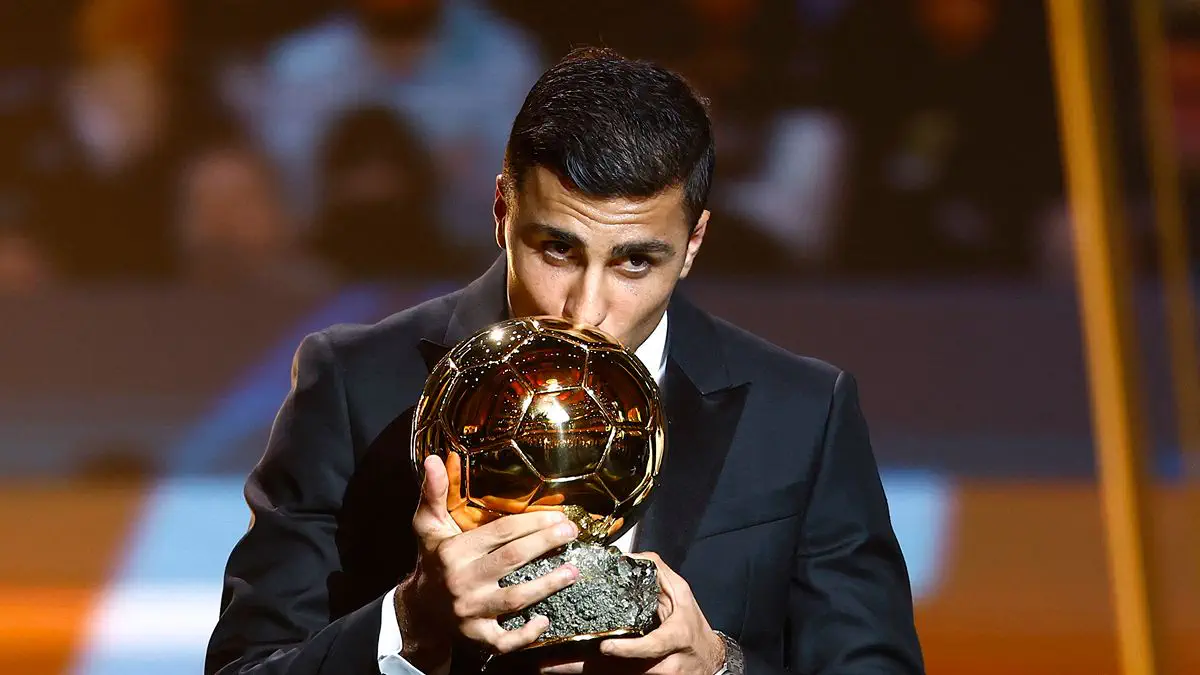
It is difficult to imagine more conflicting emotions than those Rodri experienced in the autumn of 2024.
The Spaniard enjoyed a fantastic season at Manchester City, helping the team win a fourth consecutive Premier League title before becoming European champion with Spain. He was named the best player of Euro 2024.
On October 28, Rodri received the Ballon d'Or, finishing ahead of Vinícius Júnior and Jude Bellingham.
But the worst had already happened.
On September 22, more than a month before the ceremony, the midfielder suffered a serious knee injury in Manchester City's match against Arsenal.
Medical examinations revealed damage to the anterior cruciate ligament. Rodri had to undergo surgery, followed by many months of rehabilitation.
He arrived at the Ballon d'Or ceremony on crutches.
While the football world was recognising the Spaniard as the best player on the planet, Rodri already knew that he would spend the coming months far from the pitch.
The award did not precede the injury. On the contrary, the footballer received it after learning how serious the damage was. Yet the symbolism is no less powerful for that.
Rodri returned to the pitch only in May 2025. Further muscle problems followed, although in the summer of 2026 he still helped Spain win the World Cup and was named the tournament's best player.
In August 2026, the midfielder moved from Manchester City to Barcelona, but he could not avoid further fitness problems. On November 4, the Catalan club announced another injury — this time to the back of his right thigh.
The Spaniard will miss the upcoming match against Atlético.
Rodri managed to return to the summit of world football, but the battle with injuries that began before he received the Ballon d'Or remains part of his career.
2. Matthias Sammer (1996) — the Ballon d'Or before the end of his career
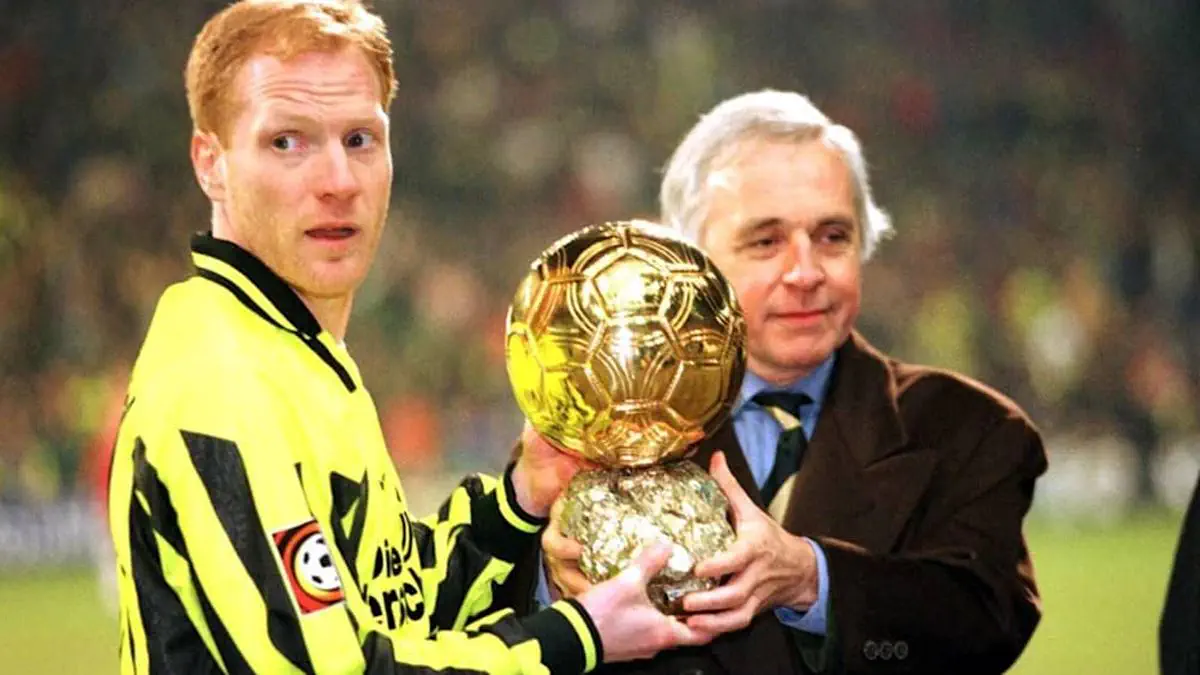
1996 was the peak of Matthias Sammer's career.
The German sweeper was the key figure in the defence of the Germany team that won the European Championship. He was named the tournament's best player and received the Ballon d'Or at the end of the year.
It seemed that many more seasons at the highest level lay ahead.
In 1997, Sammer reached a new peak, winning the Champions League with Borussia Dortmund after defeating Juventus in the final.
But soon afterward, his career effectively came to an end.
The German had been suffering from knee problems for some time. In October 1997, he underwent another operation — his fifth on that joint. Inflammatory complications made a return to the pitch even more difficult.
As Germany prepared for the 1998 World Cup in France, one of its most important players was trying to understand whether he would ever be able to play again.
He never recovered.
In 1998, Sammer was forced to end his professional career at the age of 30.
Less than two years after winning the Ballon d'Or, he had gone from Europe's best footballer to a former player.
Nevertheless, Sammer found a way to remain in the upper reaches of the game. In 2000, he took charge of Borussia Dortmund, guiding them to the Bundesliga title in 2002. He later worked as sporting director of the German Football Association and Bayern Munich.
Injuries prevented him from extending an outstanding playing career, but they could not stop him from winning trophies beyond the pitch.
1. Marco van Basten (1992) — the most devastating curse in Ballon d'Or history
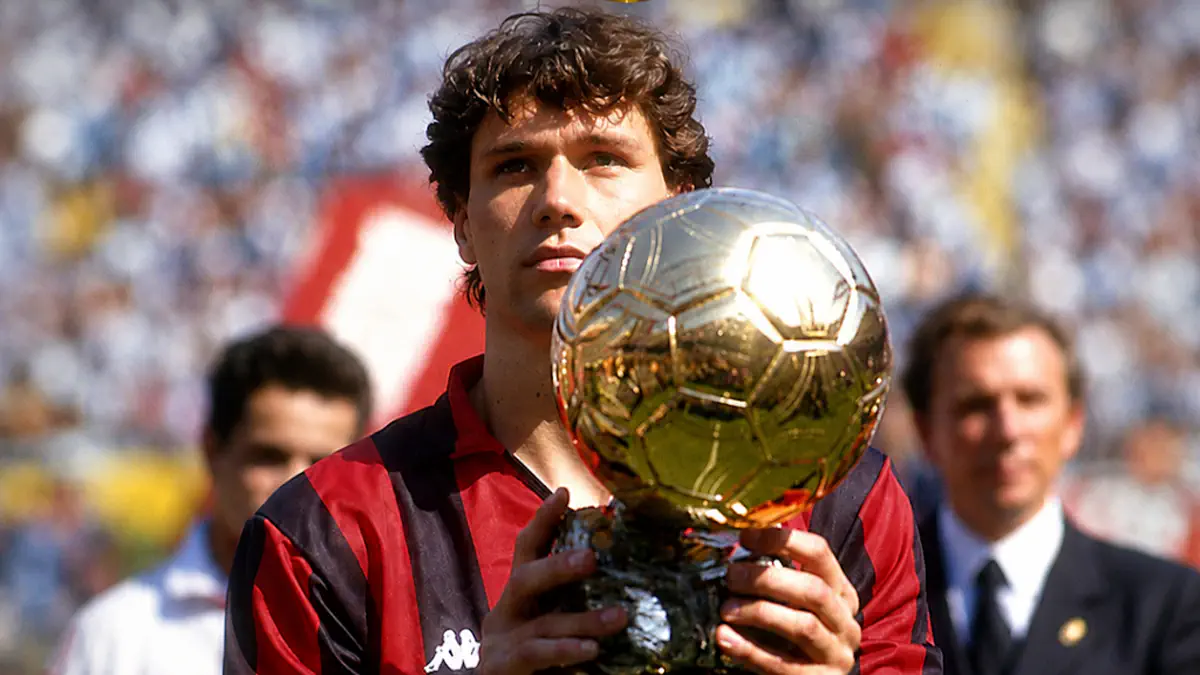
If one story best embodies the Ballon d'Or curse, it would be Marco van Basten's.
The legendary Dutchman was not merely one of the world's best strikers. He was a footballer capable of combining incredible technique, physical strength, elegance and flawless finishing.
By the age of 28, van Basten had already won the European Championship with the Netherlands, lifted the European Cup twice with Milan and become one of the most famous players on the planet.
In December 1992, he received his third Ballon d'Or — after winning the award in 1988 and 1989.
But instead of a new era of triumphs, he faced a fight simply to walk without pain.
Problems with his right ankle had troubled the forward long before he received his third award. In December 1992, he underwent surgery and then tried to return to the pitch.
On May 26, 1993, van Basten played in the Champions League final against Marseille. Milan lost 0-1.
No one knew then that it would be the Dutchman's final professional match.
More operations, months of rehabilitation and unsuccessful attempts to recover followed. Van Basten never played another competitive match.
In August 1995, he announced his retirement. He was only 30 years old.
The former striker later said that the ankle pain affected not only his football but also his everyday life.
Several years later, van Basten returned to the top level of football, but as a coach. He managed the Netherlands at the 2006 World Cup and Euro 2008, and later worked with Ajax and other Dutch clubs.
However, no coaching position could give him back the years he should have spent on the football pitch. That is the greatest tragedy of van Basten's story.
He won his third Ballon d'Or at an age when many legendary strikers are still at their peak. Yet just five months later, he made his final appearance on a professional football field.
History will never know how many more goals the Dutchman might have scored or how many trophies he could have won had injuries not intervened.
And that is why van Basten tops our ranking.
Harry Kane — is the curse already taking effect?
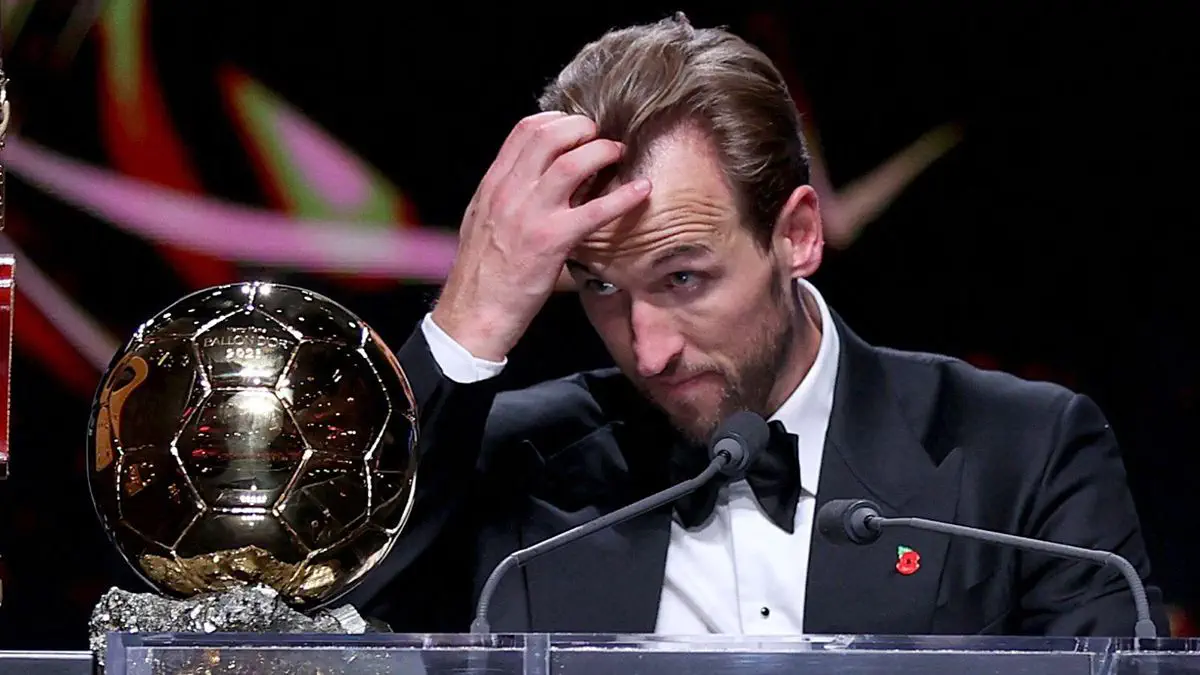
Now let us return to the man who prompted us to recall this strange footballing pattern in the first place.
On October 26, 2026, Harry Kane received his first Ballon d'Or. The Englishman enjoyed a phenomenal 2025/26 season, scoring 73 goals for Bayern Munich and England.
But…
On October 31, the Englishman left the pitch without scoring in the match against Borussia Dortmund (2-2). Moreover, the newly crowned Ballon d'Or winner missed a penalty, hitting the crossbar.
That was when the first jokes about the curse appeared on X.
“The curse started quicker than expected,” — wrote @joe__RMCF.
User @LFC_Fortune86 agreed:
“Looks like the Ballon d'Or curse has already begun.”
On November 3, the situation repeated itself: Bayern defeated Atlético 2-0 in the Champions League, but Kane again failed to score.
Two matches. Zero goals. Immediately after winning the Ballon d'Or.
And now X users began seriously building up the football conspiracy theory.
“The Ballon d'Or curse is real,” — wrote @az_anzol.
And @bayernicks went even further:
“The Ballon d'Or has cursed Harry Kane, and now he doesn't even know how to kick a ball.”
And there are genuinely plenty of comments like these.
There is, however, one detail that slightly spoils this dramatic story: Kane provided an assist in both matches.
So for now, this is half an X conspiracy theory and half an ordinary football meme.
Of course, two goalless matches are nowhere near a tragedy on the scale of van Basten, Sammer or Rodri. Perhaps Kane will score a hat-trick in the very next game, and the whole story will ultimately become nothing more than a joke.
Or perhaps fans of football conspiracy theories will get new evidence.
Either way, we will see.
 Steven Perez
Dailysports's expert