
The “little Messi” Manchester United could lose: who is JJ Gabriel?
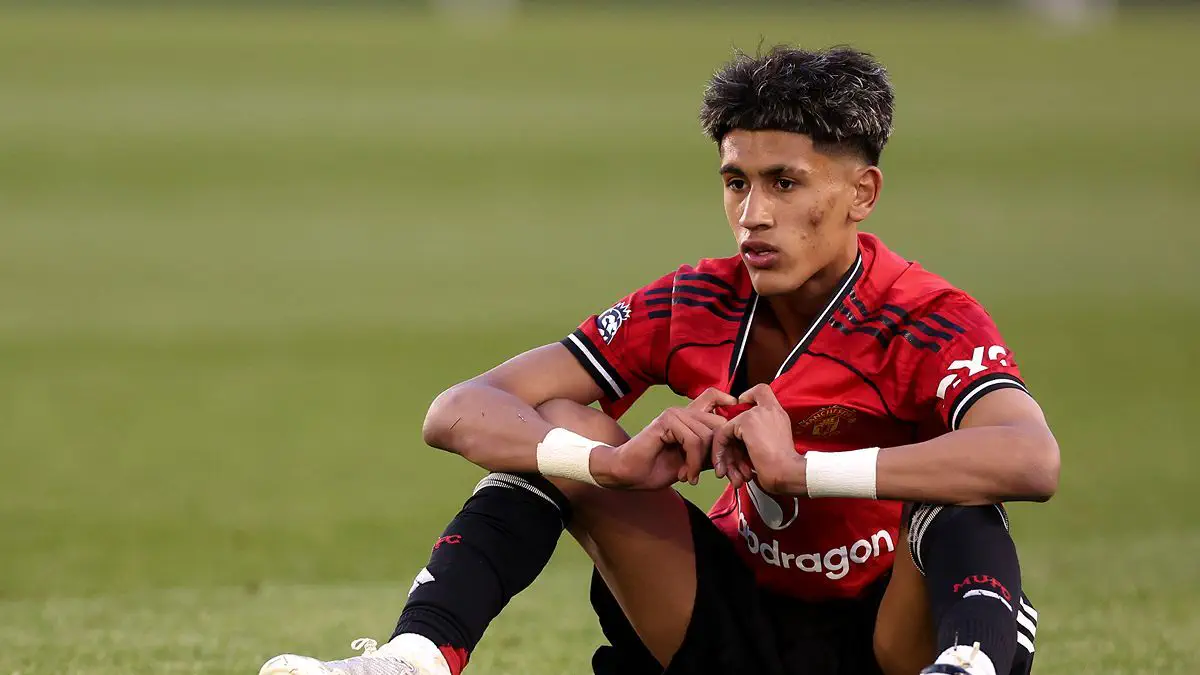
Just last week, JJ Gabriel scored a hat-trick on his UEFA Youth League debut. The next step could have been an appearance for the Manchester United first team in a competitive fixture. But on September 15, the story of one of the club’s most talked-about academy prospects changed dramatically.
According to The Times, the 15-year-old forward asked to have his registration with United terminated. Ben Jacobs also reported that the player wants to leave and noted that Barcelona are among the interested European clubs. Chelsea are monitoring the situation as well — in that part of his report, the journalist cited Alex Crook.
The scale of the reaction is easy to understand: Gabriel has already broken age records at the academy, won its top individual award and moved closer to the first team long before his 16th birthday. Here is how a boy nicknamed the “little Messi” became a footballer whose future is causing concern in Manchester.
- Also read: Sensational Hull City: 16 months from a Championship relegation battle to an unbeaten Premier League start.
A London childhood and a footballing family
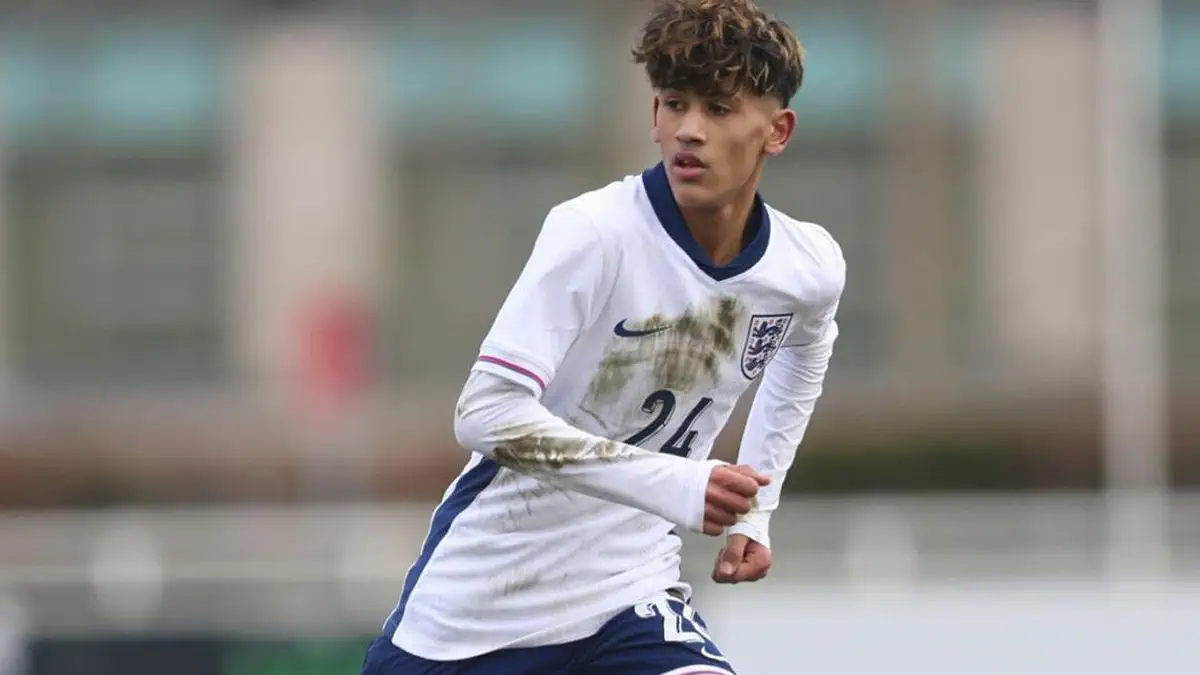
The footballer’s full name is Joseph Junior Andreu Gabriel. He was born on October 6, 2010, and grew up in Enfield, north London. Before moving to Manchester, he spent time in the youth systems of Chelsea, Arsenal and West Ham. His football education began long before he joined United’s academy at the age of 11.
His father is former defender Joe O’Cuirivill. He was once on Arsenal’s books, played for Brighton on loan and also made two appearances for the Republic of Ireland. Most of his career, however, was spent outside England’s top division.
JJ himself has a broad footballing background. Through his family heritage, he is eligible to represent Ireland, Cyprus and Trinidad and Tobago. For now, his international career is with England: he has already played for the U15, U16 and U17 teams.
Where the “little Messi” nickname came from
The story behind the nickname goes back to childhood videos. Long before his debut for the academy’s older age groups, Gabriel appeared in a video by YouTube creator SV2, whose title introduced the eight-year-old footballer as “Kid Messi”. The clip showcasing his skills and close control attracted millions of views.
Futsal played a significant role in Gabriel’s development: tight spaces, constant work on the ball and the need to find quick solutions under pressure. At just six years old, he could complete 1,000 consecutive keepy-uppies. In March 2025, the young footballer signed a new sponsorship deal with Nike.
That kind of exposure creates an unusual sequence of events: first, the public learns a child’s name and grows accustomed to the lofty comparison; then it begins tracking his performances in the academy. For Gabriel, the real test came in matches against players several years older.
Two goals on debut and an academy record
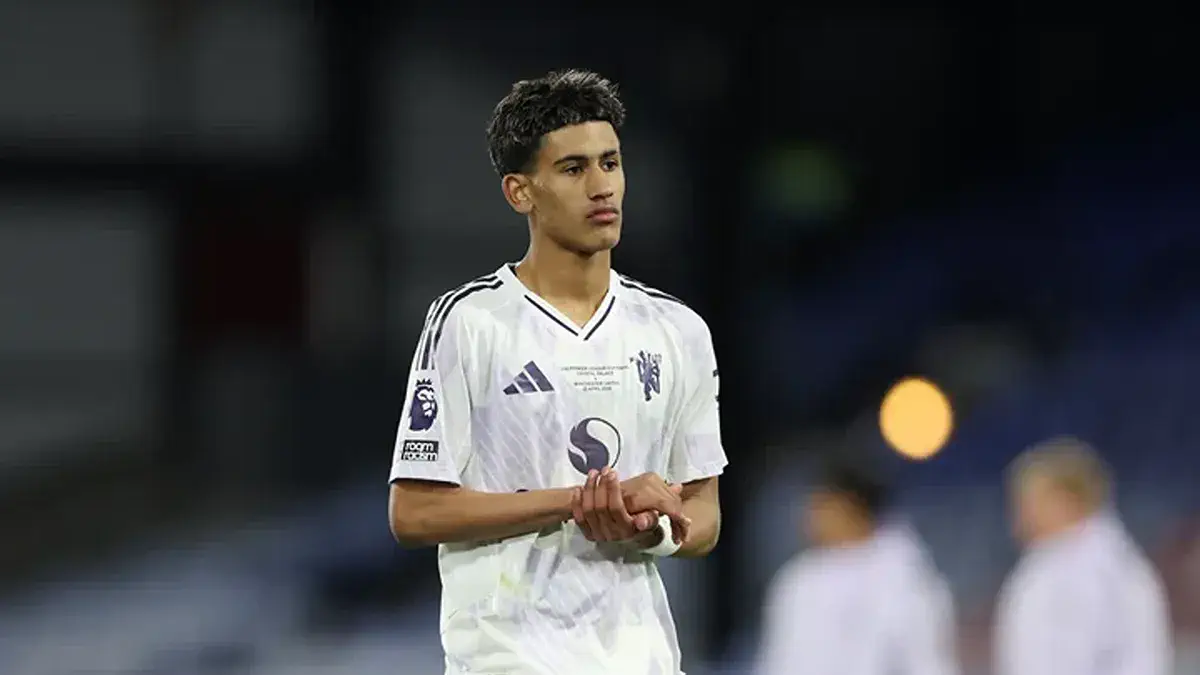
He first made a major statement on April 5, 2025.
That day, Manchester United U18 thrashed Leeds 13-1. Gabriel came on in the second half and scored his team’s final two goals. He was just 14 years old, becoming the youngest player ever to feature for United’s U18 side.
Both goals highlighted the qualities that had impressed his coaches. For the first, he turned inside the box and fired a low shot into the net. For the second, he controlled a pass under pressure, beat his marker and finished the move with precision.
Of course, a match decided by such a scoreline is difficult to regard as a full test of readiness for senior football. However, it showed that Gabriel could apply his technical ability in a competitive match against older players. The next challenge was to prove it consistently over the course of a season.
That is exactly what he did.
A season that brought two major awards
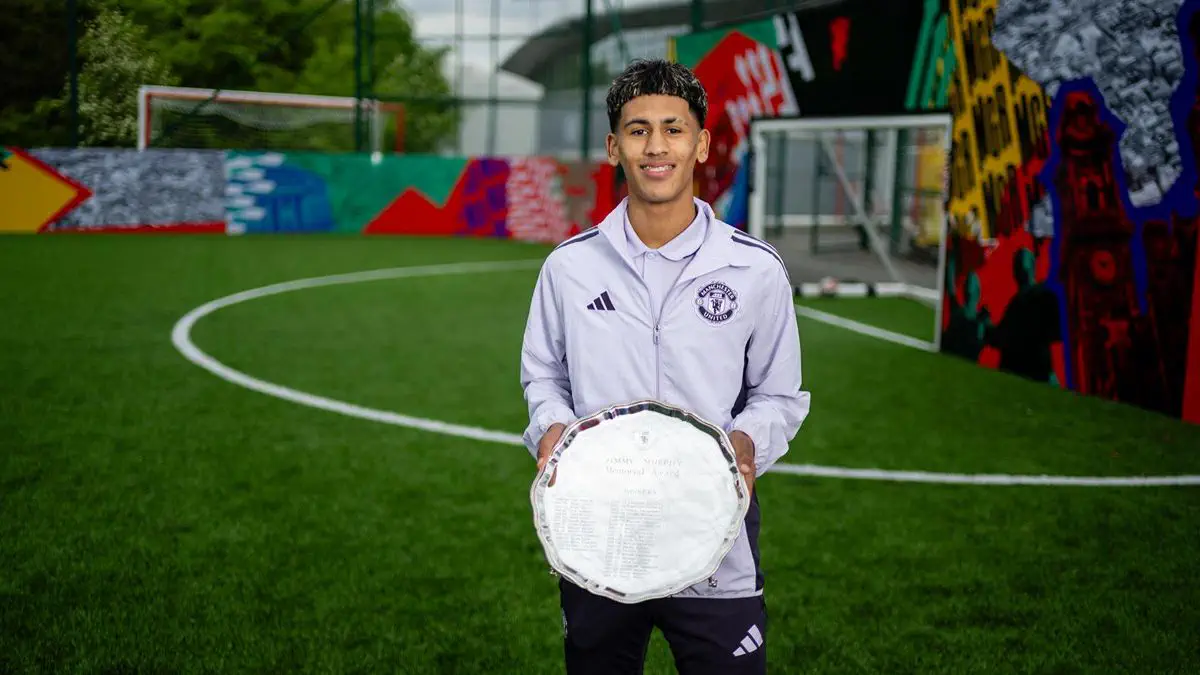
The 2025/26 campaign was a breakthrough season for Gabriel. He scored 23 goals in the U18 league, and in May United named him the winner of the Jimmy Murphy Young Player of the Year award, the academy’s top individual prize for young players. At 15, JJ became the youngest recipient in its history.
Recognition also came at competition level: Gabriel was named the Premier League U18 Player of the Season. For a footballer who began the campaign aged 14, it was an especially telling achievement. He was being judged in a competition designed for older teenagers.
Those two awards explain why so much attention has surrounded his future. United could already point to an entire season of prolific performances and recognition beyond their own academy.
How Gabriel plays
His main strengths are dribbling, quick movement with the ball and the ability to finish with either foot. Gabriel can operate on the wing or closer to the centre of the attack. He is eager to take defenders on one-on-one, while also possessing a sharp sense of timing when arriving in the box and a natural eye for goal.
He combines a winger’s technique with a striker’s instincts. That helps explain his goalscoring record: he can either create a shooting opportunity for himself with a dribble or arrive in the right place to finish a move.
The comparison with Messi sets an extraordinarily high bar, but when assessing Gabriel’s potential, it is more useful to focus on the next stage of his development. In senior football, he will have to make decisions faster, withstand more physical challenges and remain effective when he has less time to control the ball. His success at youth level provides grounds for great expectations, but that transition still lies ahead.
A hat-trick in his first European match
On September 10, Gabriel added another standout chapter to his résumé. In Manchester United’s opening UEFA Youth League match of the 2026/27 season, the English side beat Sabah 5-0.
JJ scored in the 45th minute before striking twice late on, in the 85th and 87th minutes. Three goals on his tournament debut made him the star of the match.
At 15 years and 339 days old, he became Manchester United’s youngest-ever hat-trick scorer in the competition. The club’s technical director, Jason Wilcox, watched the game from the stands.
By then, Gabriel had also tested himself for the U21s: in his first two matches at that level this season, he had registered two goals and two assists. His progress was continuing on several fronts at once — an older age group, European competition and work with the first team.
One step away from a historic debut
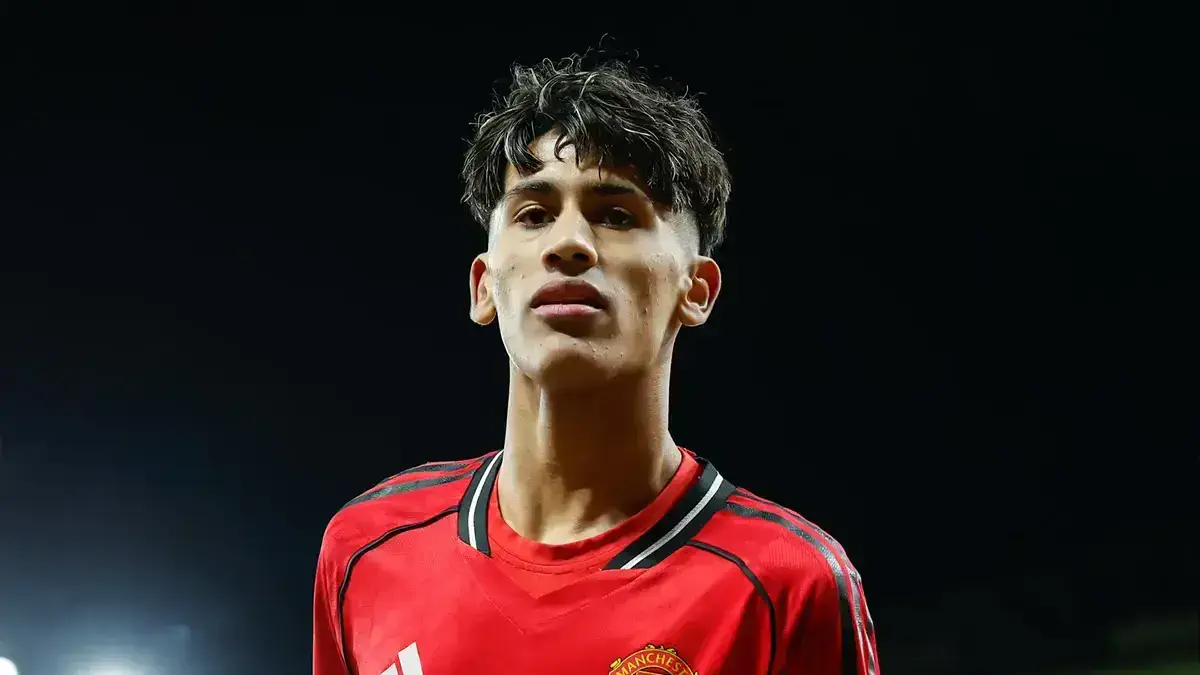
In August, Gabriel had already appeared for United’s first team in a friendly against Atlético Madrid. The next major milestone, therefore, was supposed to be his competitive debut.
The club planned to include him in the squad for the League Cup match against Brighton on September 16. An appearance would have made Gabriel the youngest-ever first-team player in United’s history.
The record belongs to goalkeeper David Gaskell, who made his debut in October 1956 at the age of 16 years and 19 days. Gabriel therefore had the chance to rewrite a mark that has stood for almost seven decades.
Ryan Giggs had also spoken about the club’s willingness to give the teenager more room to develop. Shortly before the latest events, he described Gabriel as a “generational talent” and backed his continued progression alongside the first team — through training, travelling with the squad and exposure to the demands of senior football.
Why he asked to leave — and where Barcelona come in
That proximity to a competitive debut is precisely what makes the news on September 15 so surprising.
The exact reason for Gabriel’s decision has not yet been explained publicly. According to Ben Jacobs, United hope to resolve the situation: the current agreement ties the player to the club until next summer. After the match against Sabah, coach Adam Lawrence spoke about supporting Gabriel at every level of the club and following a carefully planned development programme.
However, simply requesting that his registration be terminated does not make the footballer a free agent. The procedure requires the agreement of all parties, including the club and the player’s parents or guardians, or intervention from the league. In other words, the desire to leave and an official departure are two different stages of the story.
Ben Jacobs named Barcelona among the European contenders and, citing Alex Crook, reported that Chelsea are monitoring the player. The reports refer to interest in Gabriel. They do not say that a transfer has been agreed, that the player has chosen a club or that his separation from United has been completed.
For Manchester United, a club that has built a significant part of its identity for decades around its academy and the promotion of homegrown young players, the situation with Gabriel represents a major test. United had effectively opened the door to the first team for him — but now risk watching one of Carrington’s brightest talents walk away.
A week ago, the main question was when JJ Gabriel would make his Manchester United debut.
Now the question sounds very different: will he play a competitive match for United at all?
 Steven Perez
Dailysports's expert
Steven Perez
Dailysports's expert