


Boric’s Sports Agenda: Progress and Setbacks in Football
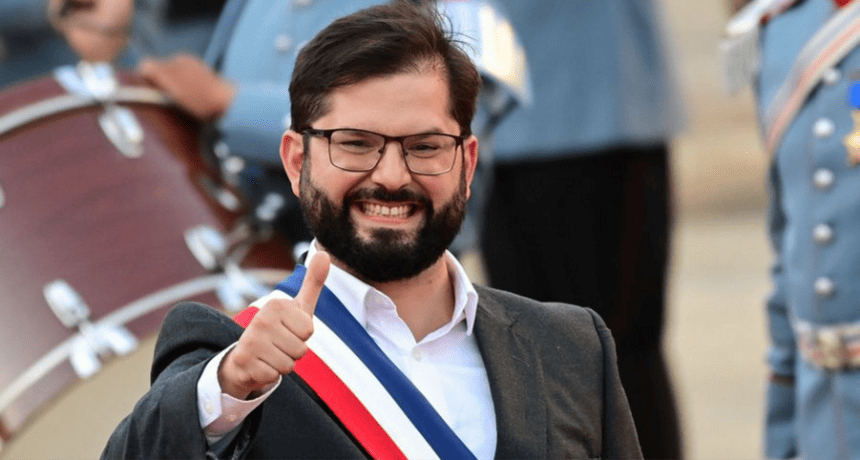
As President Gabriel Boric enters the final stretch of his term, his sports agenda presents a mixed picture. One clear milestone is the 2022 law that mandated the professionalization of women’s football, requiring clubs to gradually formalize contracts for their players. Despite this, the implementation has been sluggish, and clubs have faced repeated fines for non-compliance, according to La Tercera.
Institutionally, the Ministry of Sport saw leadership changes. Alexandra Benado gave way to Jaime Pizarro, now one of the cabinet’s best-rated ministers. The subsecretariat also experienced disruptions due to resignations and leaves of absence.
The proposed "community supporter" program, intended to replace the controversial Estadio Seguro plan, never materialized. Following a deadly incident at Estadio Monumental that left two teenagers dead, the program was scrapped, and its head stepped down. A record number of matches were suspended during this time for various reasons.
A broader reform aiming to give fans a real voice in club decisions did not advance. Instead, the administration backed an existing bill targeting conflicts of interest in club ownership, which remains under Senate review.
On a more ambitious note, Chile formally launched its bid to host the 2036 Summer Olympics and is also seeking the 2030 Youth Olympics. Meanwhile, a legislative initiative to mandate one hour of daily physical activity in schools passed its first Senate vote and reflects a renewed push to promote healthier lifestyles among young Chileans.
 Facundo Trotta Arrieta
Dailysports's expert
Facundo Trotta Arrieta
Dailysports's expert



